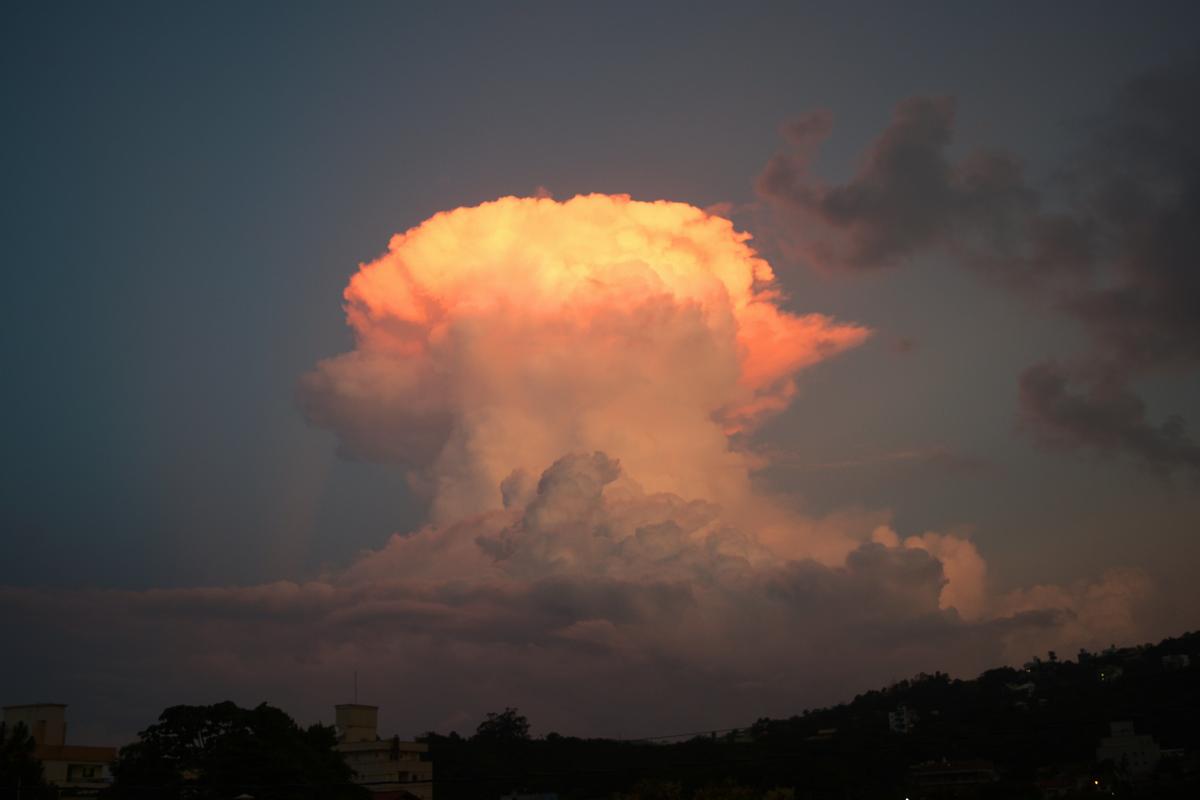
Turn on the news lately, and it feels like the volume has been cranked all the way up on global chaos. Conflicts overseas, rising tensions between world powers, and a general sense that things feel more unstable than they have in a long time. It’s a strange time to be alive.
That uneasiness hits a little closer to home here in Montana.
Over the past few years, Montanans have gotten reminders that our wide-open spaces aren’t as removed from world events as we sometimes like to believe. From military activity to increased attention on national security, the Treasure State occasionally finds itself in the headlines for reasons most of us would rather avoid.
One of those reasons is Malmstrom Air Force Base near Great Falls. The base plays a critical role in the country’s nuclear deterrence strategy and is home to the 341st Missile Wing. Add in the hundreds of missile silos spread across central and eastern Montana, and it becomes clear why the state is often mentioned in discussions about national defense.
I heard about a Nuclear War Map website that shows the potential damage at certain high-risk sites across the U.S. Due to the amount of nuclear power in Montana, it is safe to assume that it would be one of the first states to be attacked.
That reality has sparked renewed interest in an older Federal Emergency Management Agency map that continues to circulate online in 2025. The map outlines areas across the United States that could be considered strategic targets in the event of a nuclear conflict. While it’s not a prediction and doesn’t reflect current intelligence assessments, it offers a sobering snapshot of how defense planners once viewed potential scenarios.
Map published by FEMA showing potential US nuclear targets in 2,000 and 500 warhead scenarios.
byu/quartz_koala inoddlyterrifying
On the map, symbols highlight locations that could be targeted early in a limited strike, as well as areas that might be affected during a much larger, full-scale exchange. Unsurprisingly, Montana stands out. The state’s military infrastructure places it among regions considered strategically significant, even though it’s far from major population centers.
Several Montana locations are often mentioned when the map is discussed, including communities near missile fields and well-known population hubs. Even iconic places like Yellowstone sometimes get pulled into the conversation, largely because of their proximity to other strategic assets rather than anything unique to the park itself.
Before panic sets in, it’s worth keeping some perspective. This map dates back a decade and doesn’t account for modern defense systems, diplomatic efforts, or the reality that nuclear conflict remains extremely unlikely. Still, its reappearance serves as a reminder of Montana’s unique role in national security and how global events can feel uncomfortably close to home.
For now, all we can really do is stay informed, avoid doom-scrolling, and hope that cooler heads will prevail.
When downtown Havre, MT, burned to the ground in 1904, business moved underground. Havre Beneath the Streets is a must-see for fans of Montana history.
Gallery Credit: Michael Foth
Montana is full of small towns; however, when it comes to the most charming, the most affordable, the safest, and the most scenic, which towns top the list? Let’s take a look at 5 hidden gems that are located right here in Big Sky Country.
Gallery Credit: Derek Wolf
These are some of the weirdest and most wonderfully unique town names you’ll find in Montana.
Gallery Credit: jessejames