Signicat has secured a contract with the Danish Agency for Digital Government (DIGST) to supply the digital identity verification infrastructure for Denmark’s forthcoming EU Digital Identity (EUDI) Wallet.
Under the agreement, Signicat will also continue its role as the technology provider for Denmark’s existing mobile driving license (mDL) application “Kørekort-appen.”
The move means Signicat is a major infrastructure partner in Denmark’s compliance with the eIDAS 2.0 regulation, with the first iteration of the national wallet expected to launch in the first half of 2026.
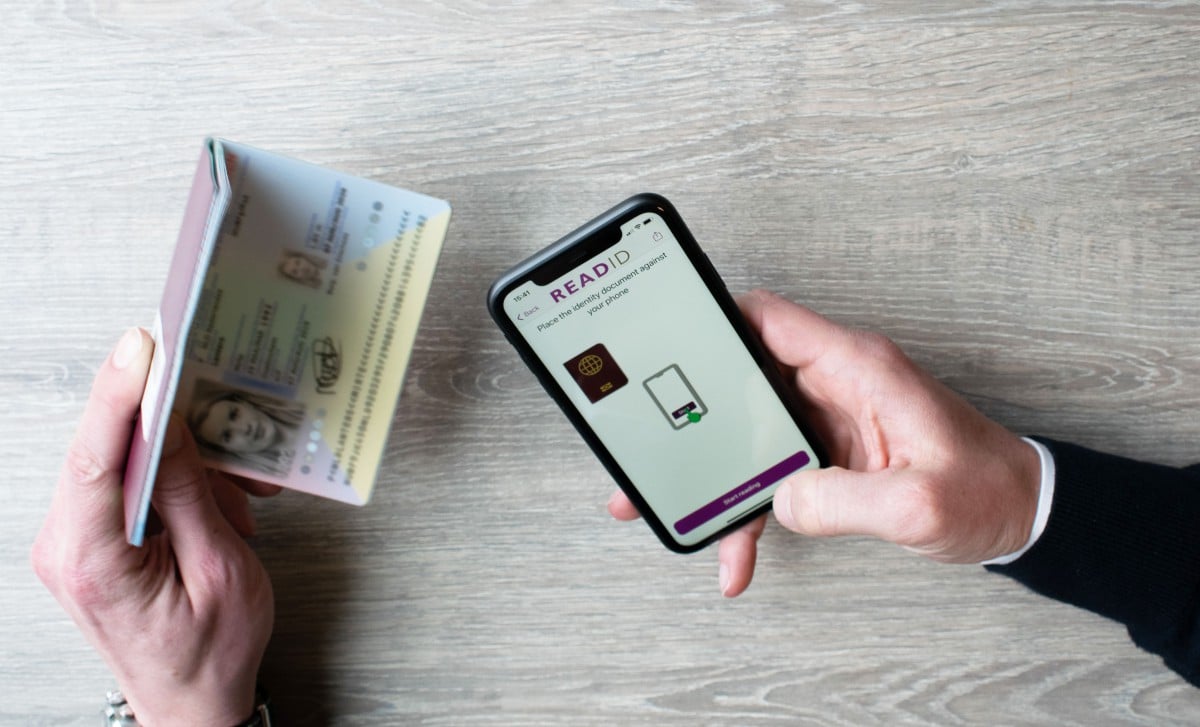
The technical core of the deployment is Signicat’s ReadID, which utilizes NFC to interface with the ICAO-compliant secure chips embedded in passports and residence cards and was acquired in the Inverid deal earlier this year. The process requires the user to authenticate via MitID, Denmark’s national eID, and then scan their physical passport using their smartphone.
The system cryptographically verifies the integrity of the passport data and extracts the high-resolution facial image stored on the chip. Signicat promises that the process runs entirely on the user’s device, acting as a privacy-preserving mechanism where no new biometric templates are created or stored centrally.
“With ReadID, citizens can securely use the data already embedded in their passport to prove who they are,” says Asger Hattel, Signicat CEO. “We’re pleased to support both Denmark’s official mobile driving license and the new digital identity wallet as it is gradually adopted by the Danish public.”
Denmark was an early adopter of mobile credentials, launching the Kørekort-appen in November 2020. Since then, more than 2.1 million digital driving licenses have been issued. The new contract effectively bridges this existing mDL infrastructure with the requirements of the EUDI Wallet framework. DIGST started developing the digital identity wallet in spring 2025.
The deployment is part of a broader trend of leveraging NFC-based document verification for high-assurance onboarding within the European ecosystem. Signicat is currently involved in four of the six EU Large Scale Pilots (LSPs) — NOBID, EWC, APTITUDE and WE BUILD — which are testing cross-border interoperability for the EUDI Wallet.
The technology stack used in Denmark is consistent with Signicat’s implementations for the UK Government, specifically the Home Office’s UK ETA app and the GOV.UK One Login program, both of which rely on NFC chip reading for secure remote enrollment.
Digital ID app installs to more than double in five years
Juniper Research believes the number of installed digital ID apps will grow rapidly, rising from 2.8 billion in 2025 to 6.2 billion in 2030.
This growth of 121 percent is built on efforts by governments across the globe to digitize identity credentials, the tech-focused strategy company says, with main motivators to increase efficiency with official processes and to curb fraud.
“Governments are investing resources into centralised digital identity systems, but adoption will stall unless users have real control,” says Louis Atkin, research analyst at Juniper Research. “Decentralised models that let citizens decide exactly what data they share are essential to building trust and driving uptake.”
The company’s Digital Identity Market 2025-2030 report includes a look at self-sovereign identity systems, which can be attractive to regions where citizens may have low trust in government systems and where physical identity infrastructure is lacking.
“Enabling citizens to manage their own identity use via self-sovereign identity systems is increasingly important to fostering adoption and long-term trust, especially where digital identity is controversial,” Atkin says. “As such, digital identity vendors should ensure their platforms can support different types of identity scheme designs to best reflect country-level conditions.”
More broadly, Juniper Research is forecasting revenues of $80.5 billion from the market by the end of the decade as user verification and authentication with digital identity is increasingly required by global regulations and credentials like mDLs and digital travel IDs.
Signicat has previously warned that confusion and a lack of clarity could hold back the benefits of the EUDI Wallet. The digital identity wallet ecosystem is complex. The digital IDs will function within mobile apps with national core identity attributes, which can include all sorts of data, known as attestations. The ecosystem will have lots of roles and actors, Esther Makaay, VP of digital identity at Signicat, has said.
Article Topics
Denmark | digital ID | EU Digital Identity Wallet | Juniper Research | mDL (mobile driver’s license) | Signicat