Thank you for opening your Chartbook email.
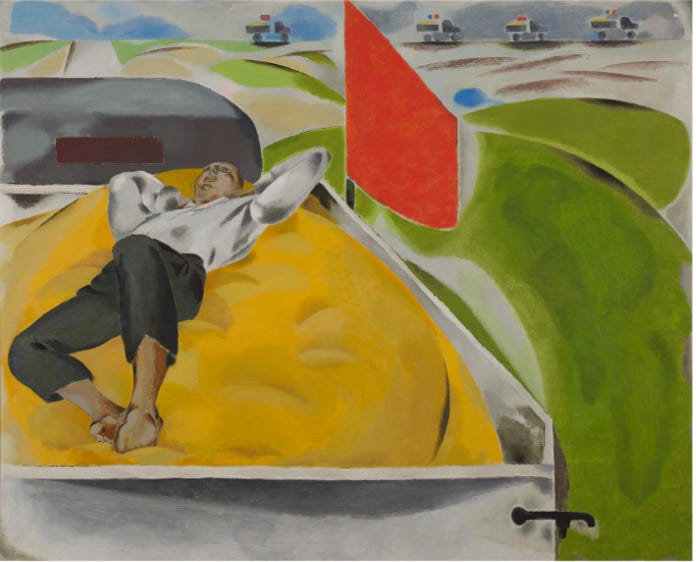
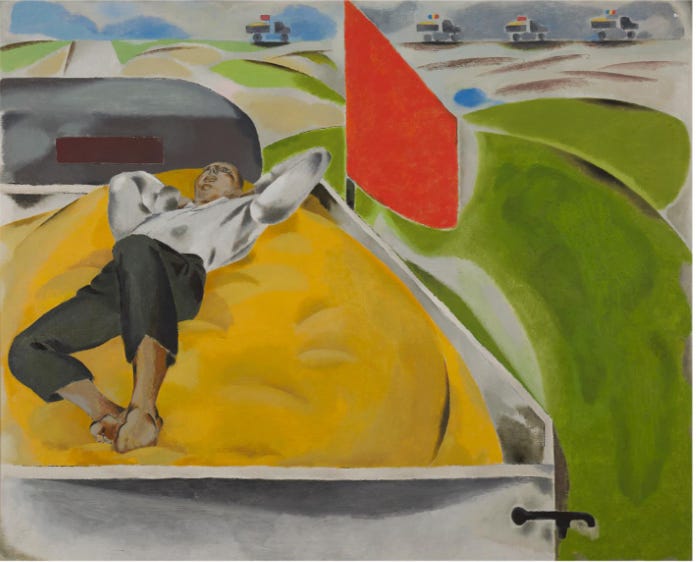
Ion Bitzan, Recolta, 1962
“Financial nihilism”
Over the past five years, the number of shares traded each day in the US has risen by 60 per cent to around 18bn. The retail share of short-dated stock options has grown from a third to more than half. Young people are succumbing to “financial nihilism” — indulging in speculation because they have given up on buying a home.
Source: Financial Times
German car makers are even less profitable than their Chinese competitors
Italy’s gold reserves
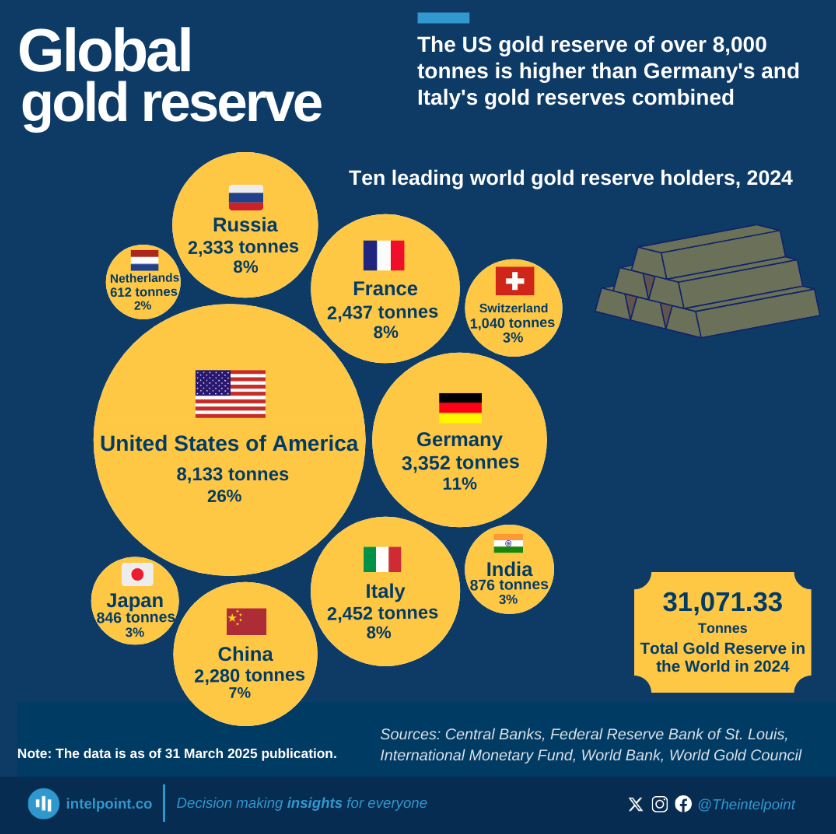
Italy’s government has proposed an amendment to the 2026 budget law stating that the gold held by the Bank of Italy “belongs to the Italian people,” rather than to the “state.” The line might seem harmless – who would claim otherwise? – yet it has triggered a flurry of anxious speculation, as well as calls from the European Central Bank to drop the provision. Legally, the amendment is meaningless. The ownership and governance of the gold reserves on the Italian central bank’s balance sheet are already precisely defined.
The Bank of Italy is fully integrated into the European System of Central Banks (ESCB), which is governed by European Union Treaties, the Statute of the ESCB, and Italian law. These frameworks both guarantee the operational independence of member states’ central banks and prevent national governments from appropriating monetary reserves. In other words, with or without the new amendment, Italy could not use its gold reserves to finance public spending or reduce debt unless the ECB consented, which it would not. But in the eurozone’s evolving institutional context, symbolic gestures carry political weight.
Italy’s ruling party appears increasingly to be aligning itself with the nationalist worldview espoused by US President Donald Trump’s administration, including in its latest National Security Strategy (NSS), which depicts the EU as a blight on “political liberty and sovereignty.” By declaring that the gold “belongs to the people,” Italy’s government is sending a message to voters who regard the euro as an externally imposed constraint and the ECB as insufficiently accountable: the EU does not own us, and the nation still comes first. The message certainly resonates. Italy has long romanticized its substantial gold reserves – the world’s third largest, totaling 2,452 metric tons – as a kind of sovereignty backstop. For a state that has long struggled with fiscal fragility, the idea that a hidden asset is capable of guaranteeing autonomy and independence in times of crisis is politically potent.
Source: Lucrezia Reichlin in Project Syndicate
Chinese housing prices are falling again
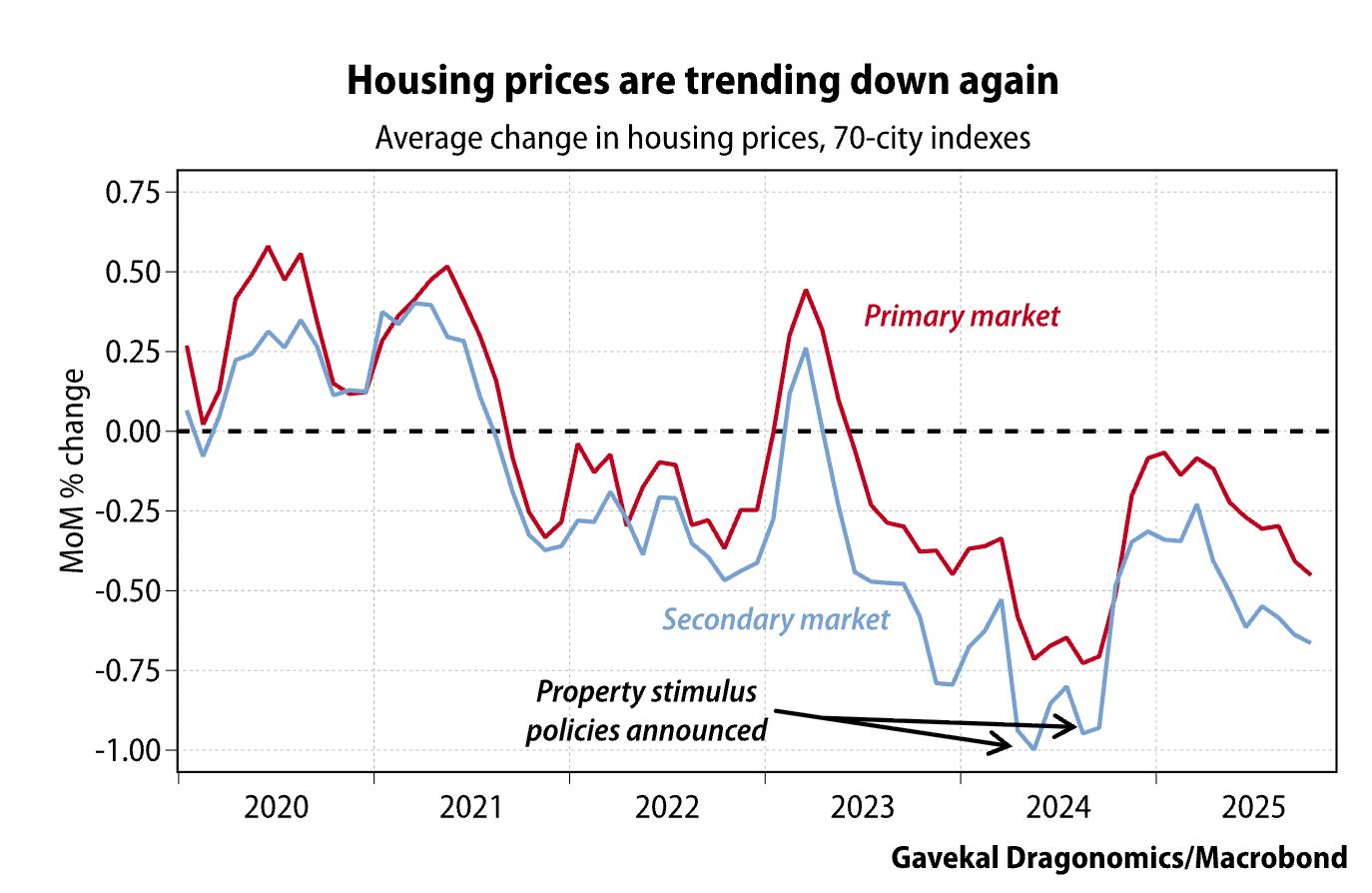
Inflicting heavy wealth losses on households.
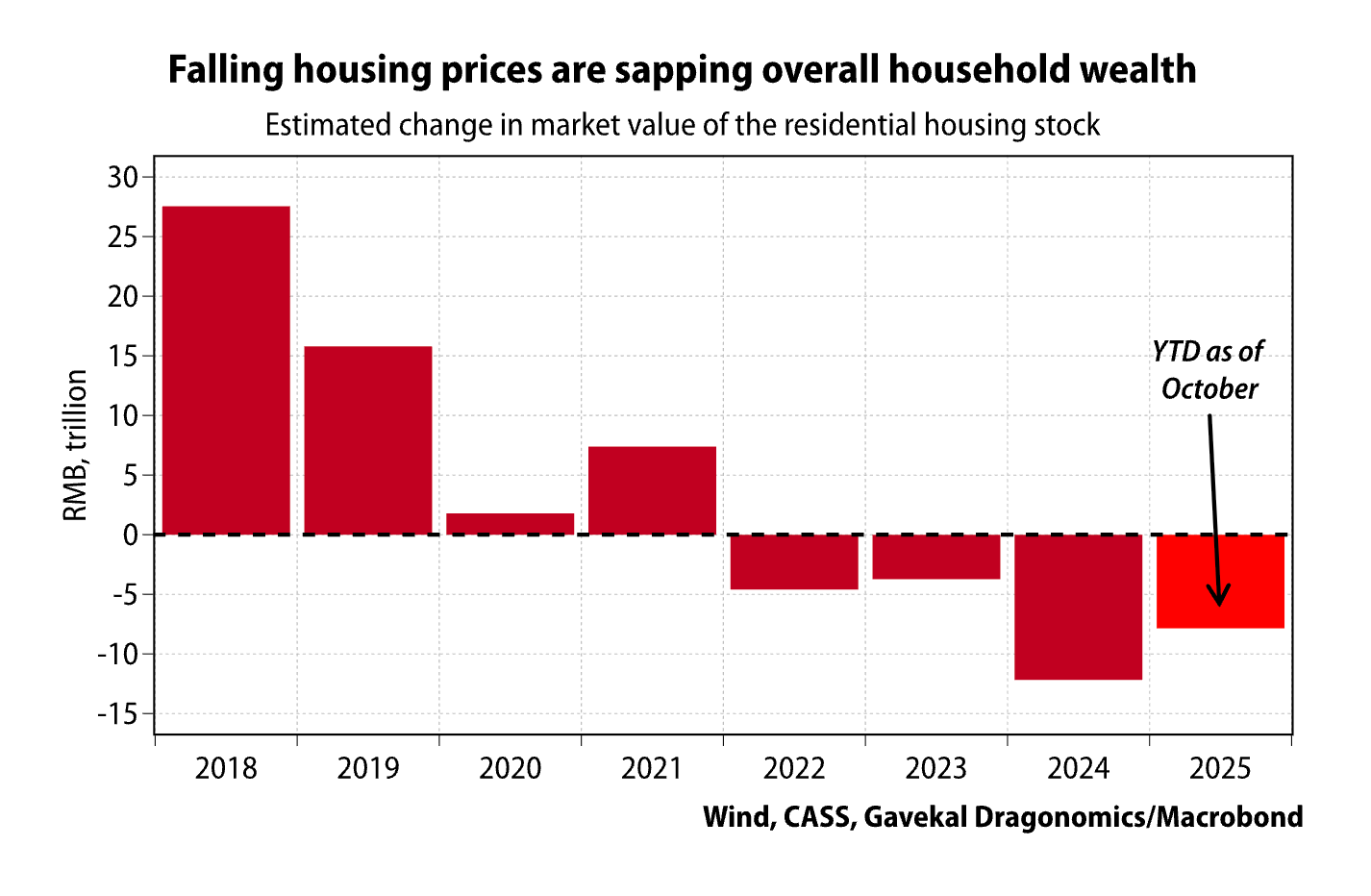
Source: Xiaoxi Zhang in Gavekal
India’s growth is defining a new material standard of living.
Ion Bitzan, Lucrări de primăvară, 1981
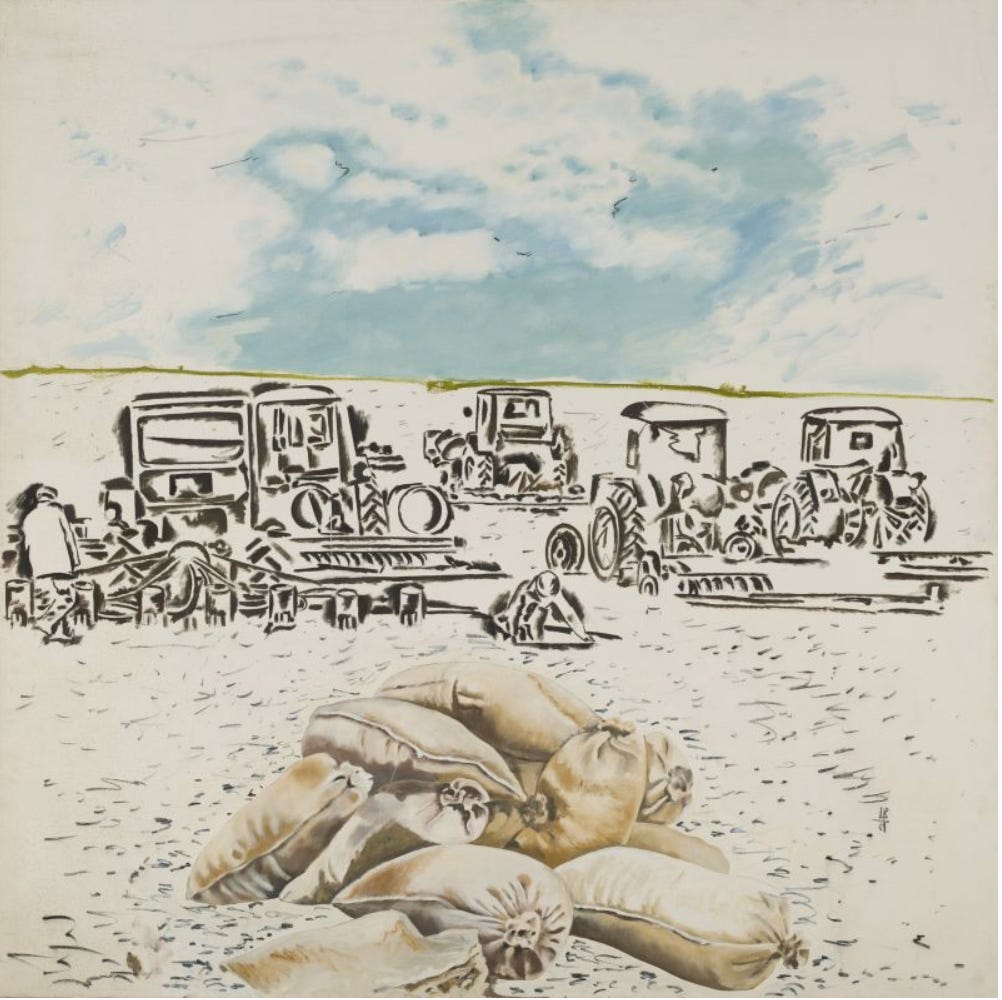
Secularization
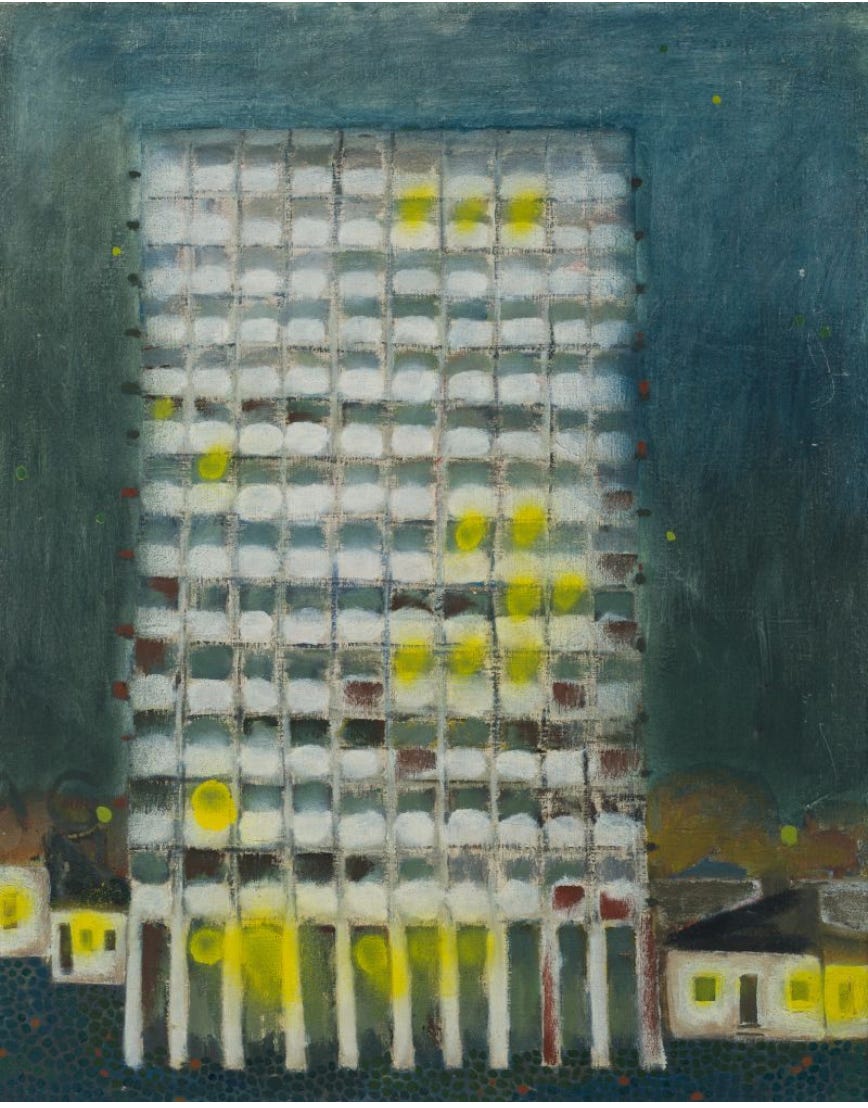
Ion Bitzan, Bloc pe Calea Grivitei, 1962
HEY READERS,
THANK YOU for opening the Chartbook email. I hope it brightens your day.
I enjoy putting out the newsletter, but tbh, what keeps this flow going is the generosity of those readers who clicked the subscription button.

If you are persuaded to click, please consider the annual subscription of $50. It is both better value for you and a much better deal for me, as it involves only one credit card charge. Why feed the payments companies if we don’t have to.
Confronting Defeat: Perry Anderson reflects on Eric Hobsbawm’s account of the making of the contemporary world
Presented as a pendant to Age of Extremes, a personal portrait hung opposite the historical landscape, what light does Interesting Times throw on Eric Hobsbawm’s vision of the 20th century, and overall narrative of modernity?1 In overarching conception, The Age of Revolution, The Age of Capital, The Age of Empire and Age of Extremes can be regarded as a single enterprise – a tetralogy which has no equal as a systematic account of how the contemporary world was made.
All display the same astonishing fusion of gifts: economy of synthesis; vividness of detail; global scope, yet acute sense of regional difference; polymathic fluency, equally at ease with crops and stock markets, nations and classes, statesmen and peasants, sciences and arts; breadth of sympathies for disparate social agents; power of analytic narrative; and not least a style of remarkable clarity and energy, whose signature is the sudden bolt of metaphoric electricity across the even surface of cool, pungent argument.
It is striking how often these flashes of figuration are drawn from the natural world to which he says he felt so close in his youth: ‘religion, from being something like the sky, from which no man can escape and which contains all that is above the earth, became something like a bank of clouds, a large but limited and changing feature of the human firmament’; ‘Fascism dissolved like a clump of earth thrown into a river.’
Source: London Review of Books
Modi promises to crush Maoism … again!
Ion Bitzan, Utilaj greu, 1975