Published on
December 18, 2025

ACI EUROPE has raised alarm as the Schengen Entry‑Exit System causes airport processing times to soar by up to 70%, leaving passengers waiting hours during peak travel. Technical glitches, staff shortages, and unavailable kiosks and ABC gates are driving massive delays across France, Germany, Greece, Iceland, Italy, Portugal, and Spain.
European airports are facing significant disruptions as the newly implemented Schengen Entry‑Exit System (EES) triggers unprecedented delays for travelers. Launched on 12 October 2025, the EES was designed to modernize border management by registering and capturing biometric data from third-country nationals entering the Schengen Area. However, the system’s rollout has exposed a range of operational challenges, leaving passengers and airport authorities grappling with long queues and frustrated travel experiences.
According to ACI EUROPE, the European airports association, border control processing times have increased by up to 70% at many airports, with peak waiting times reaching three hours. France, Germany, Greece, Iceland, Italy, Portugal, and Spain are among the countries most affected. Passengers report long lines at both immigration counters and self-service kiosks, while airlines face scheduling delays that ripple throughout their networks.
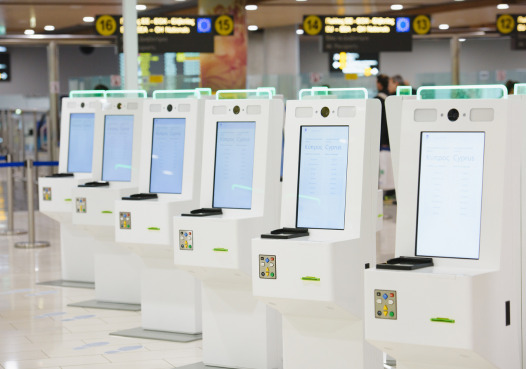
The delays stem from a combination of technical and operational obstacles. Frequent EES outages have disrupted the predictability of border operations, leaving staff and travelers unsure of processing times. Configuration issues persist across many airports, with self-service kiosks — meant to expedite registration and biometric data capture — either partially deployed or entirely unavailable. Automated Border Control (ABC) gates, intended to streamline passenger flow, remain inactive for EES processing at numerous locations.
The lack of an effective pre-registration app has also compounded delays, preventing travelers from completing their entry requirements in advance. Furthermore, the shortage of border guards has left many airports under-resourced during peak travel periods, exacerbating the situation. Authorities report that the available staff cannot keep pace with the increased demand caused by the EES system.
ACI EUROPE has called on the European Commission, eu-LISA, Frontex, and Schengen Member States to take immediate action to mitigate the operational bottlenecks. Recommendations include accelerating technical fixes, deploying additional border personnel, ensuring full functionality of kiosks and ABC gates, and developing a robust pre-registration app to facilitate smoother passenger processing.
Airports warn that if the current challenges are not addressed swiftly, the ongoing disruptions could have broader economic and reputational impacts, as delays may deter travelers and increase operational costs for airlines. Passengers are advised to plan for extra processing time at airports and to stay updated with guidance from airlines and airport authorities.
The EES was intended to enhance security, improve the monitoring of entries and exits, and streamline border checks across the Schengen Area. However, the current rollout demonstrates the complexity of implementing large-scale biometric systems in real-time operational environments. For now, the pressure is mounting on European authorities to ensure that the promise of modernized border management does not come at the cost of the passenger experience.
Olivier Jankovec, Director General of ACI EUROPE warned: “Significant discomfort is already being inflicted upon travelers, and airport operations impacted with the current threshold for registering third country nationals set at only 10%. Unless all the operational issues we are raising today are fully resolved within the coming weeks, increasing this registration threshold to 35% as of 9 January — as required by the EES implementation calendar — will inevitably result in much more severe congestion and systemic disruption for airports and airlines. This will possibly involve serious safety hazards.”
He added: “We fully understand and support the importance of the EES and remain fully committed to its implementation. But the EES cannot be about mayhem for travelers and chaos at our airports. If the current operational issues cannot be addressed and the system stabilised by early January, we will need swift action from the European Commission and Schengen Member States to allow additional flexibility in its roll‑out.”
