It’s also worth being explicit about what “clean energy” means – electricity and energy are not the same thing. While New Zealand’s electricity generation is among the most renewable in the OECD, electricity accounts for only around half of our total energy use. Transport fuels, industrial heat and other non-electric energy demand remain heavily reliant on fossil fuels.
As a result, far more electrification, generation and supporting infrastructure will be needed than many people assume.
Delivering on New Zealand’s net zero commitment would require renewable energy capacity to grow by around 50% by 2030 and roughly double by 2050. That scale of build-out is not just about emissions targets either – it is fundamental to energy security and to capturing economic value as the global transition accelerates.
Global investors are already acting. In 2025, investment in clean energy technologies was twice that of fossil fuels, with more capital flowing into solar than oil.
Unlocking that opportunity here at home depends on three things: capital, capability and opportunity. The good news is that two of them are already in place.
There is no shortage of capital globally for credible transition investments. Trillions of dollars are already being mobilised. We also have capability – strong local talent and deep experience operating a renewable energy system, including long-distance transmission lines, grid management and strong capability across the utility sector. There is also the potential for long-term investors such as the NZ Super Fund to draw on international expertise through partnerships that bring scale.
What’s missing are investible opportunities of sufficient scale, backed by clear and easily negotiated pathways for investors – where it’s easy for capital to enter, and easy to exit.
Capital chases scale, clarity and certainty – moving quickly across borders and markets. If other countries create conditions that are more attractive to investors, that’s where the capital will go.
Look at the UK. They have an energy strategy. Investors know what energy mix the country wants in 2035, and how it plans to get there. That certainty allows capital to flow with confidence. Solar and onshore wind are now cheaper than fossil fuels on a dollar per MWh basis, and offshore wind is increasingly competitive.
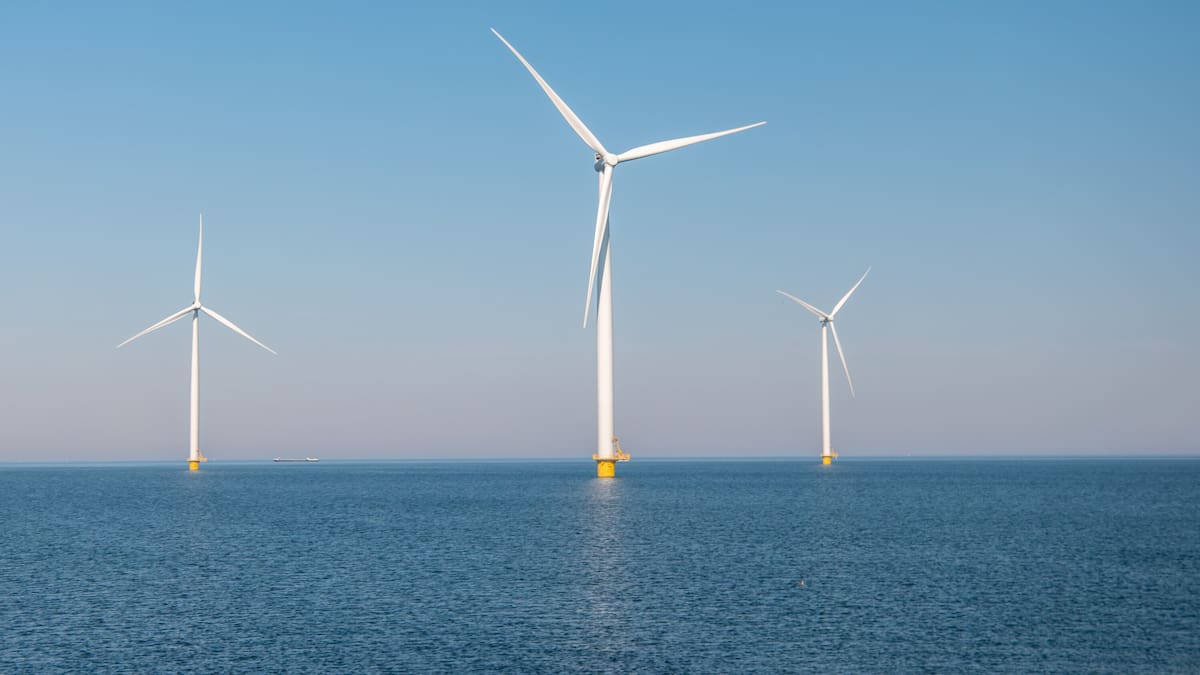
New Zealand has similar potential. Offshore wind offers the scale we need, providing long-term annual generation stability that pairs with hydro’s storage – particularly in dry years. Yet despite New Zealand having some of the best wind in the world, countries such as the UK and Belgium have outpaced us. Solar, too, remains underdeveloped compared with other countries despite New Zealand’s strong resource.
Developing the infrastructure needed to support the transition of New Zealand’s economy presents huge investment opportunities. This doesn’t just mean developing new generation facilities, such as the 1GW wind farm the Taranaki Offshore Partnership (which includes the NZ Super Fund) is proposing to develop off the coast of South Taranaki. It also means delivering the storage, transmission and grid upgrades needed to support them. However, these are capital-intensive projects with long investment horizons, so we need to encourage long-term thinking.
At the NZ Super Fund, we’ve had firsthand experience of the financial rewards that come with investing in the energy transition. In the US, Longroad Energy, in which we are a large shareholder, has developed and acquired more than 6GW of wind, solar and battery projects – more than half of New Zealand’s total installed generation capacity – and recently reached financial close for a further 1GW of new projects.
But meaningful progress requires more than a few actors. Real momentum depends on investors, government and markets working together to set clear expectations, credible plans and a pipeline of investable opportunities.
If New Zealand moves fast, we can still catch the wave of opportunity presented by the energy transition. If we stall, we’ll pay the cost of inaction as the world sails past us.
Catch up on the debates that dominated the week by signing up to our Opinion newsletter – a weekly round-up of our best commentary.