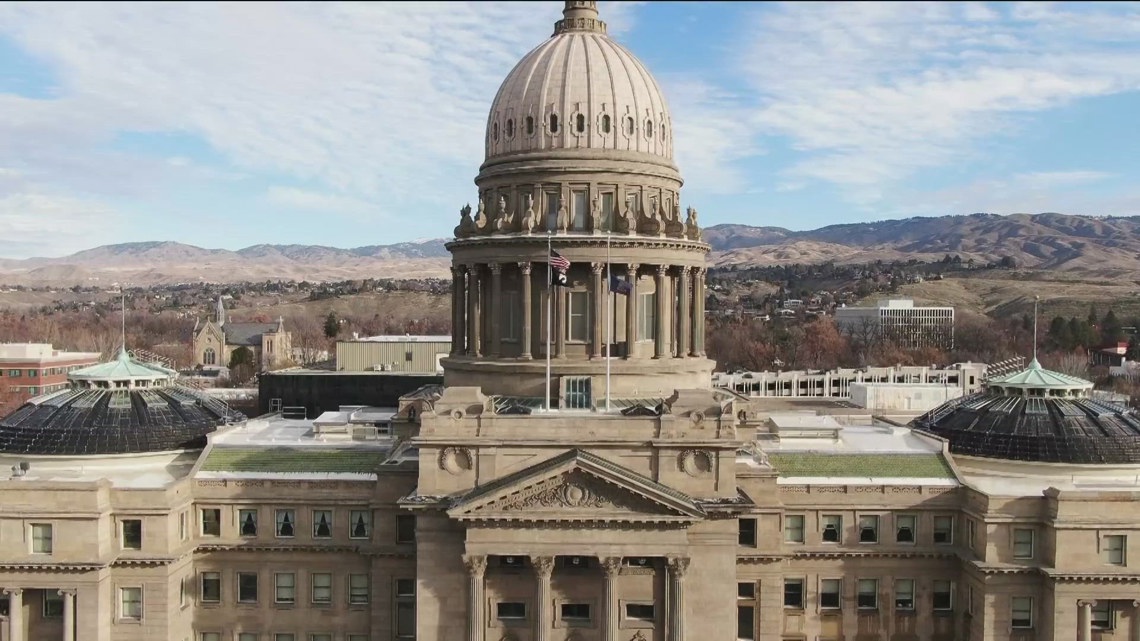
The committee says the expanded population has grown into a burden on the state. Also debates $85,000 budget for the Idaho Commission on Hispanic Affairs.
BOISE, Idaho — Idaho’s Department of Government Efficiency Task Force held a vote during its Friday morning meeting, recommending the repeal of Medicaid expansion and state funding allocated to the Idaho Commission on Hispanic Affairs.
The bipartisan committee, co-chaired by Rep. Jeff Ehlers and Sen. Todd Lakey, is examining state agencies for potential reductions, consolidations or eliminations. The task force will also review state employee efficiency and travel expenses.
Idaho’s DOGE initiative, named after the national Department of Government Efficiency, spent months reviewing state spending and operations. A committee reviewing government efficiency initially identified 10 ideas, which were narrowed to six action items last month before this final recommendation.
The vote on both Medicaid expansion and the Idaho Commission on Hispanic Affairs came during the final meeting of Idaho’s DOGE initiative before the 2026 legislative session.
The DOGE task force’s action represents a recommendation for the full legislature to consider when it convenes next month, not an immediate policy change. However, the task force’s study provides lawmakers with additional data and an official mechanism to reference beyond individual reports.
Idaho’ DOGE recommends exploring medicaid expansion repeal
The DOGE task force voted to recommend the legislature explore repealing Medicaid expansion, marking a significant development in a long-running debate over the program’s costs.
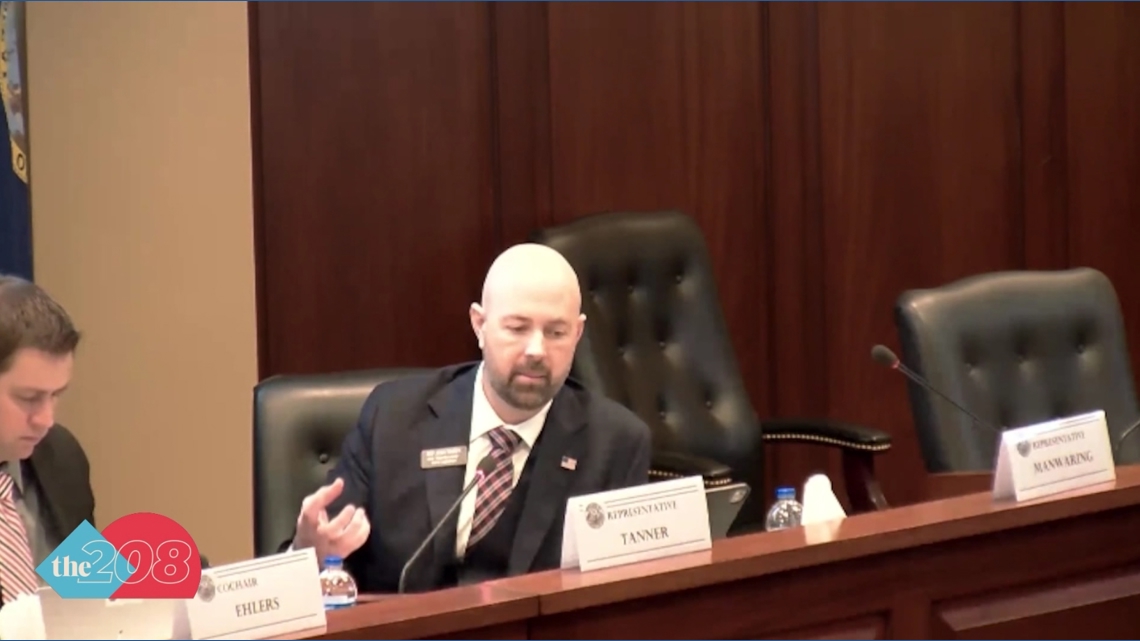
“Have a motion from representative Tanner to recommend that the germane committees explore repeal of Medicaid expansion. Hearing no further discussion, all in favor indicate by saying aye. Any opposed, nay,” the chair said during the vote.

The decision followed a presentation from state experts detailing the program’s costs, trends and coverage.
Supporters of exploring repeal say Medicaid expansion has diverted focus from the program’s original intent.
“We are losing focus of the most vulnerable population. And this population has continued to grow, becoming a large burden upon the state when we want these people back out in the workforce and actually working. So, with that, my recommendation would be to repeal Medicaid expansion,” Representative Tanner said.
Critics questioned whether the issue aligns with the task force’s core mission.
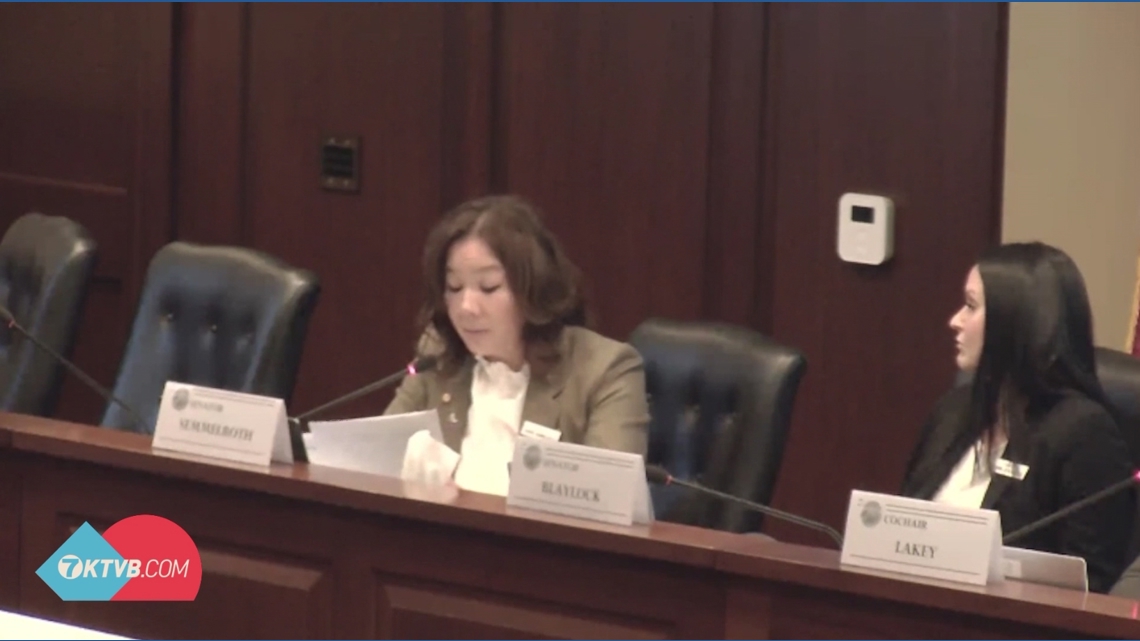
“How can we ensure fiscal responsibility, prevent waste and enhance accountability? When I look at the conversations that we started today through those presentations and the public testimony, I’m not sure that I can target specifically how we will ensure fiscal responsibility, how we will prevent waste and how we will enhance accountability given how complex this issue is,” Senator Semmelroth said.

The Republican-dominated legislature has scrutinized Medicaid expansion costs for years, particularly spending on the expansion population. Idaho voters approved Medicaid expansion in 2018.
The task force also discussed whether the Idaho Commission on Hispanic Affairs should continue to exist.
Lawmakers Question Funding for the Idaho Commission on Hispanic Affairs
The Idaho Commission on Hispanic Affairs is facing renewed scrutiny from state lawmakers who question whether taxpayer dollars should continue funding an agency some say prioritizes DEI initiatives over serving all Idahoans.
The 39-year-old commission came under the spotlight during a recent Idaho DOGE Task Force meeting, where ICHA Director Annette Tipton defended the agency’s work.
“Our mission is to serve as the bridge between Idaho’s government and Hispanic population,” Tipton said.
Tipton outlined the commission’s impact on education, workforce development, tax revenues and community programs. The agency runs paid internships and hosts an annual two-day educational summit.
She pointed to the economic contributions of Idaho’s Hispanic community, which makes up 14% of the state’s population.
“Because of Idaho’s investment in the Hispanic community in these priority areas, our contribution to the state’s sales and income tax revenues has more than doubled in growth over the past 10 years,” Tipton said. “These figures are approximately proportional to the percentage of the population Idaho.”

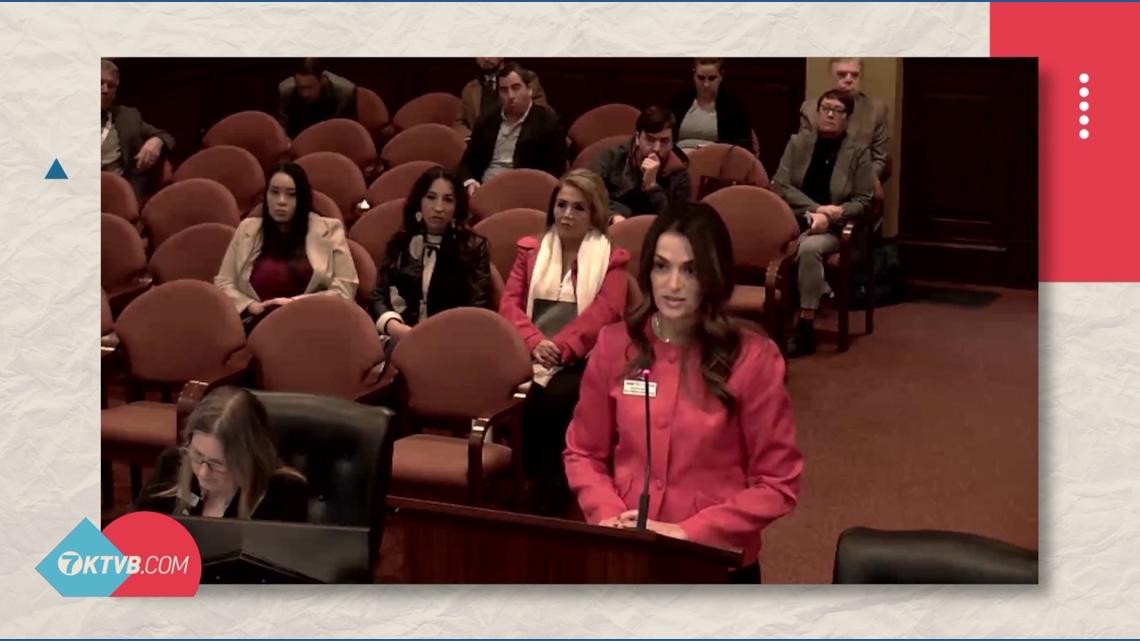
ICHA Chairman Ivan Castillo emphasized the commission’s role in facilitating communication between Hispanic residents and state leaders.
“We’re growing exponentially, and that’s why it’s so important for us to have the ability to communicate, to understand, not only from the community to the governor, but also from the governor to the community for better policymaking,” Castillo said.
ICHA receives $85,000 annually from the state’s general fund. But some lawmakers now question spending public money on what they view as a group-specific agency.
Sen. Tanner raised concerns about operational costs during the task force meeting.
“In the end, we’re still expending money for travel, we’re still expending money for staff. We’re still spending money for just your overhead and operating costs,” Tanner said. “And again, these are areas where we’re trying to figure out how to take care of all Idahoans, not necessarily just one specific group.”
Tipton pushed back on characterizations that ICHA represents a DEI initiative.
“I would argue that this office does not represent DEI if we look back to 1987 when this office was founded. DEI wasn’t even a thing,” Tipton said. “It was based on Idaho values, where we care about our neighbors, we care about our partners and our communities.”
While most of ICHA’s funding comes from community fundraising, Tipton said the state connection matters.
“What’s difficult to replace is that association with the state of Idaho,” she said. “I feel that a lot of our private donors and our industry have confidence in this office because we are associated with the state of Idaho.”
Some task force members argued that local nonprofits already serve the Hispanic community, making the state commission redundant.
Rep. Scott questioned the need for a government agency when private organizations exist.
“This just seems like we are duplicating services of a nonprofit,” Scott said. “It’s almost like we’re competing with a nonprofit in the community.”
But Mari Ramos from the Idaho Hispanic Foundation, a local nonprofit, said her organization relies on ICHA for crucial information.
“If the commission was not around, it would be very difficult for us to have the data and the information and the know-how of the policies and the politics that are being put into place that affect our Hispanic community, because the commission is that bridge and that nonpartisan gatherer of data,” Ramos said.
Many in Idaho’s Hispanic community believe some state leaders have been trying to dismantle the agency since early this year.
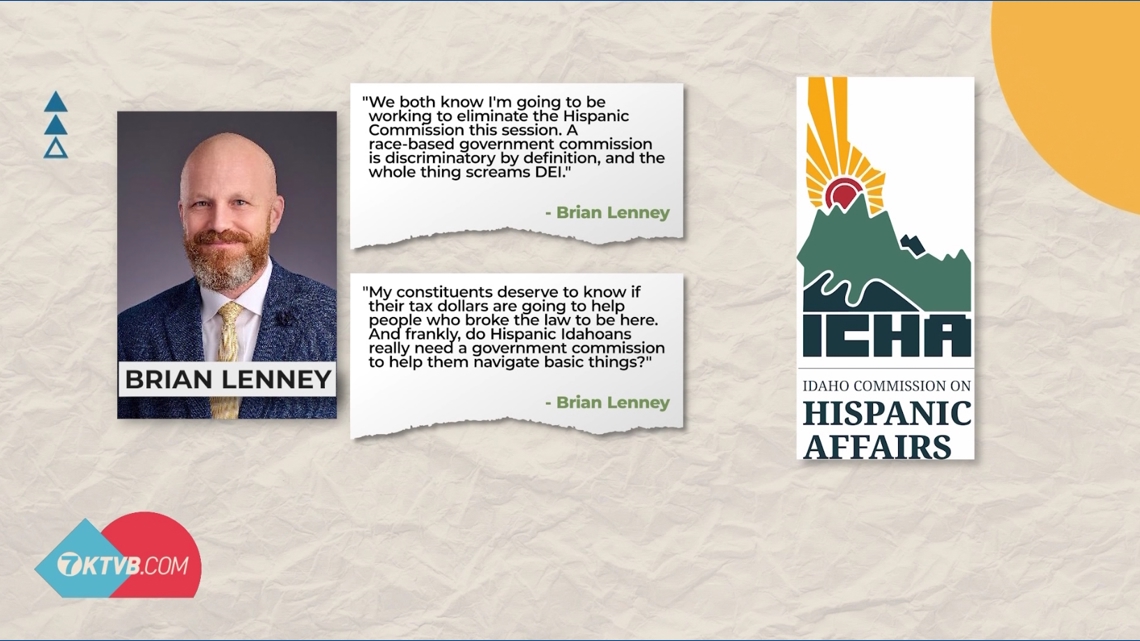
Public records obtained by KTVB show communication from Nampa Sen. Brian Lenny to ICHA stating: “We both know I’m going to be working to eliminate the Hispanic Commission this session. A race-based government commission is discriminatory by definition, and the whole thing screams DEI.”
Lenny also accused the agency of providing services to undocumented people, writing: “My constituents deserve to know if their tax dollars are going to help people who broke the law to be here. And frankly, do Hispanic Idahoans really need a government commission to help them navigate basic things?”

Not all officials support eliminating the commission. Caldwell Police Chief Rex Ingram called ICHA critical for public safety.
“Specifically in Canyon County, right now, there couldn’t be a better time to talk about the relationship between the state government and the Hispanic population of our state,” Ingram said. “I think by defunding this, or eliminating this commission, would be a huge detriment to the state of Idaho and keeping the community safe.”
When asked whether the commission could operate entirely on community funds instead of state money, Tipton said it could but stressed that the government connection is essential for its effectiveness.
The task force will make recommendations to the Legislature in the coming weeks.