December 21, 2025
By Ajong Mbapndah L*
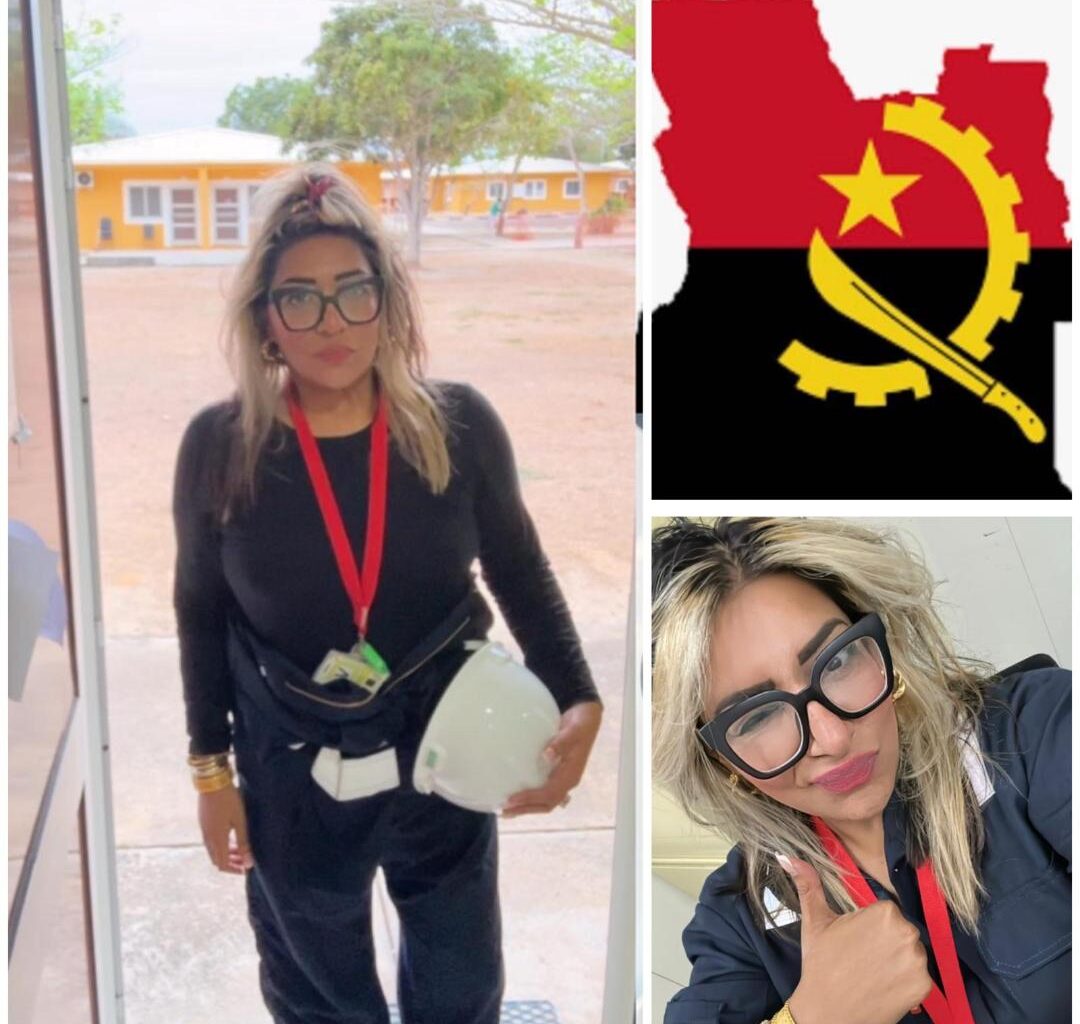
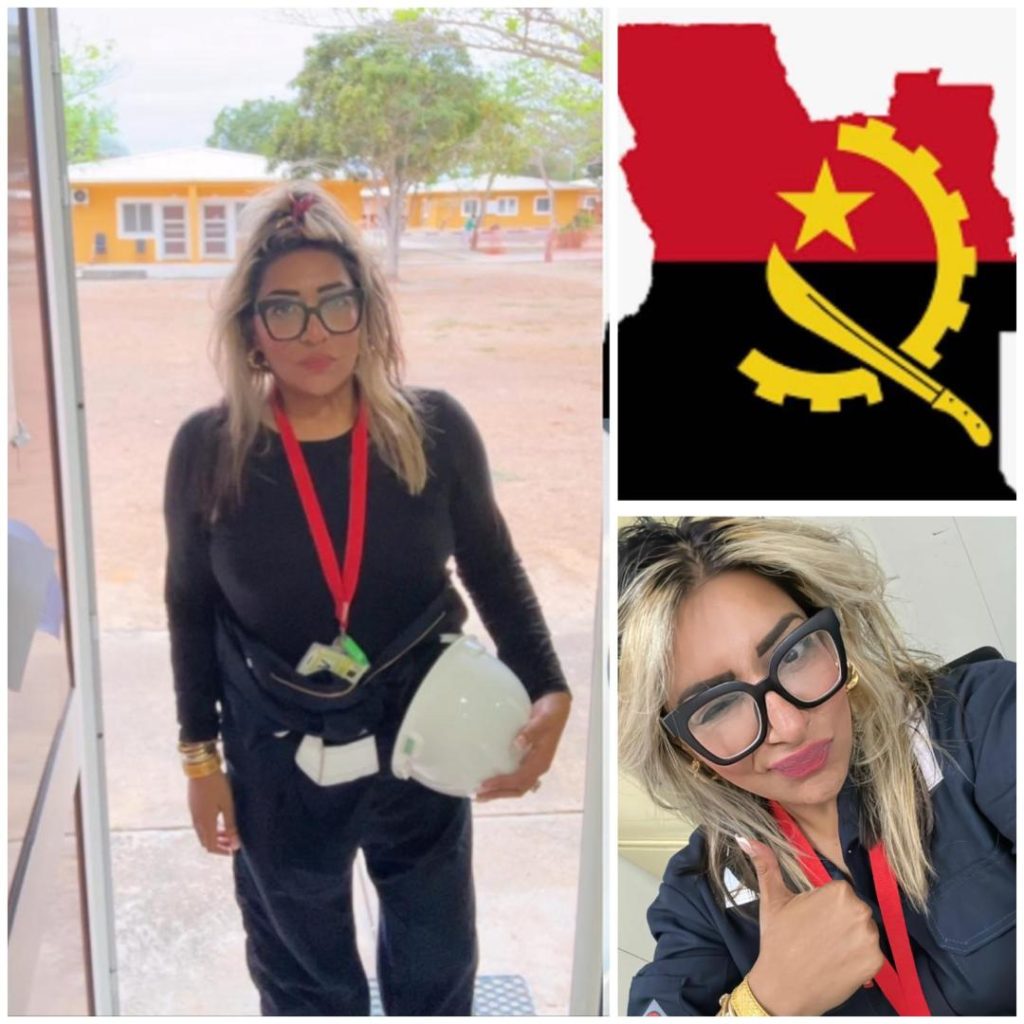 If you want meaningful local participation, it has to begin at the contract planning stage, not as a late addition, says Arvy K. Nahar
As Africa recalibrates its energy future—balancing hydrocarbons, gas expansion, and the realities of the global energy transition—local content has moved from policy aspiration to commercial battleground. Governments are no longer satisfied with box-ticking targets, regulators are tightening compliance and reporting standards, and international oil companies are being pushed to demonstrate real skills transfer, indigenous participation, and long-term value creation. At the center of this shift sits one critical lever: contracts.
For seasoned energy professional Arvy K. Nahar, Africa has moved beyond symbolic local content policies toward more refined frameworks that directly influence licensing outcomes, regulatory relationships, and project viability. In a wide-ranging interview, Arvy K. Nahar explains why international operators are now engaging indigenous partners earlier in the project lifecycle, how gas is emerging as a critical bridge fuel creating new midstream and downstream opportunities for local companies, and why oil and gas will remain central to African economies for decades—despite global decarbonization pressure
A London-based Oil & Gas contracts specialist whose career spans more than a decade of structuring, negotiating, and executing complex energy agreements across Africa and the Middle East, Nahar’s perspective is shaped as much by field-level realities as by boardroom strategy.
Drawing on her experience advising ministerial delegations, participating in OPEC and United Nations forums, and contributing to high-stakes joint ventures, Nahar also confronts the structural barriers still holding indigenous firms back—particularly access to technically informed financing, capacity gaps, and regulatory uncertainty. She makes a compelling case for smarter contract design, fairer qualification criteria, realistic timelines, and stronger contract management systems as essential tools for building real local capacity, not just awarding contracts on paper.
Recognized by Forbes Africa as one of the industry’s rising professionals to watch, Arvy K. Nahar offers a grounded, unsentimental view of Africa’s energy transition—one that insists contracts, compliance, and capability building will ultimately determine whether the continent merely extracts resources or truly creates lasting value.
Local content policies continue to evolve across Africa’s oil-producing countries. From your perspective, how are these updated frameworks reshaping industry participation and expectations for both IOCs and local players?
As a contracts specialist, and from my experience working in Angola, Ghana, Nigeria, and across Africa, I’ve seen local content policies become far more refined—and that shift is really changing how everyone shows up in the industry. We’ve moved beyond simple targets or box-ticking. Governments are now focused on genuine skills development, building stronger local companies, and ensuring long-term value is created within their economies.
From a contracts specialist’s perspective, these changes have had a real impact on how IOCs approach their commitments. It’s clear that expectations are much higher now. It’s no longer just about hitting procurement targets on paper. There’s a stronger push for building local talent, ensuring real knowledge transfer, and supporting local suppliers in ways that create lasting capability. In my experience, I’ve seen international operators start bringing local partners into the conversation much earlier—sometimes right from the planning and pre-award stages—because solid local content delivery now directly influences licensing outcomes and the overall relationship with regulators.
On the local side, the updated frameworks have definitely created more room for participation, but they’ve also raised the standards. I see more local companies stepping beyond basic service roles and positioning themselves for more technical responsibilities in contracts. To get there, many are investing in training, tightening their compliance and quality systems, and forming strategic alliances that strengthen their competitiveness. From a contracting standpoint, this means we’re engaging with a more capable local market, but also ensuring that contracts reflect these higher expectations on both sides.
 According to Arvy K. Nahar, Africa now implements advanced local content frameworks that directly impact licensing, regulation, and project success.
What emerging opportunities do you see for indigenous African companies as the continent navigates a changing energy landscape—particularly the rise of gas, decarbonization demands, and new project models?
Honestly, I think this moment in Africa’s energy transition is opening up some really exciting opportunities for indigenous companies. Gas is becoming a sort of “bridge fuel� for a lot of countries, so there’s growing room for local players to step into midstream and downstream roles—things like gas processing, distribution, small-scale LNG, and even last-mile solutions for industry and households. These are areas where being on the ground, understanding local realities, and being able to move with more agility than big multinationals is a real advantage. But respectfully, the oil and gas sector isn’t going anywhere anytime soon—regardless of what global climate activists might say. For countries like Nigeria, hydrocarbons will remain a core part of the energy mix and the economy for decades. The real conversation is about producing and using that energy more responsibly, not pretending we can switch it off overnight.
Despite these opportunities, what structural challenges still prevent local companies from fully capturing value in the sector?
Despite all the opportunities, there are still some real structural hurdles that make it hard for local companies to fully capture value. From my own experience trying to get projects off the ground, access to capital, especially local financing remains one of the biggest challenges. And it’s not just about the availability of funds. It makes a huge difference when the bankers involved have a technical, ground-level understanding of the projects, rather than coming at it purely from an institutional or financial angle. When lenders truly understand the operational realities the timelines, the geology, the risks the conversations are far more productive. They can assess the actual viability of a project instead of defaulting to overly conservative assumptions. Unfortunately, that kind of technical literacy is still limited within many local institutions, and it often slows down or complicates financing for indigenous companies that are trying to execute solid, well-structured projects.
Second, there’s a capacity and technology gap. It’s not a lack of talent, The continent is full of capable and educated people—but limited exposure to advanced technologies and large, complex projects. Without that track record, local players often get confined to smaller roles instead of leading major developments. This is sometimes reinforced by majors setting tendering requirements that are unrealistic for indigenous companies, which can unintentionally shut them out of meaningful participation.
Third, regulatory and policy uncertainty adds real risk. Slow approvals, shifting policies, and inconsistent enforcement can delay projects and drive up costs—pressures that hit indigenous companies much harder than multinationals with deeper pockets. And while local content policies are well-intentioned, in practice they can sometimes limit participation by imposing requirements that don’t always align with the realities of local capacity or project timelines.
How can African governments and regulators refine local content policies to create more enabling environments for participation without undermining competitiveness or investor confidence?
I think there’s a sweet spot African governments can aim for where local content policies still push for indigenous participation but don’t become a barrier to investment. A big part of that is flexibility recognizing that not every project, especially highly technical ones, can meet rigid local content thresholds on day one. If regulators build in phased requirements or allow project-by-project tailoring, it makes compliance more realistic while still driving growth in local capacity.
Another thing is consistency and predictability. Investors can work with almost any rule—what they struggle with is rules that change suddenly or get interpreted differently depending on who you talk to. Clear guidelines, transparent processes, and stable enforcement go a long way.
Then there’s the need to shift from box-ticking to capability-building. Instead of just mandating percentages, governments can incentivize partnerships, joint ventures, technology transfer, and training programs that actually help local companies scale.
And honestly, better collaboration with industry would help. Regular engagement with operators, service companies, and local players can make sure the policies reflect real-world constraints while still supporting national goals. One thing that’s actually helping a lot is the rise of African energy events where these conversations happen openly. The Nigerian International Energy Summit, for example, is probably the most refined platform on the continent right now. It’s one of the few places where governments, regulators, NOCs, indigenous companies, and regional players all sit together to align on objectives and compare experiences. That kind of dialogue creates clarity, builds trust, and helps shape policies that are both ambitious and practical.
Contracting has become a strategic tool for implementing local content. What elements of contract planning and design do you consider essential for ensuring meaningful local participation?
For me, the key is being intentional from the very start. If you want meaningful local participation, it has to begin at the contract planning stage, not as a late addition. And honestly, a lot of it comes down to creating a fair ecosystem where local companies can actually compete.
First, you need clear, unbundled scopes that local firms can realistically deliver. When scopes are bundled too heavily, it automatically shuts indigenous players out. Breaking tasks into manageable packages levels the playing field.
Second, the qualification criteria have to be fair. You still need strong technical standards, of course, but the requirements shouldn’t be inflated to the point where only multinational players can apply. A balanced approach keeps competition healthy without compromising quality.
Third, building a fair ecosystem also means promoting partnership structures joint ventures, technical alliances, and capacity-building obligations that help local companies strengthen their capabilities while ensuring the project gets the expertise it needs.
Realistic timelines are another big factor. Short tender windows tend to favor companies with huge back-office teams. Giving indigenous firms enough time to prepare bids is part of keeping the system fair.
And finally, contracts should include clear KPIs and follow-through mechanisms so local content commitments are not just awarded on paper but delivered in practice.
Compliance and reporting requirements are becoming stricter across the industry. What best practices should operators and contractors adopt to meet these obligations while improving transparency and trust?
I think the starting point is to stop treating compliance in Africa as a box-ticking exercise and start seeing it as part of good business practice. When operators and contractors adopt that mindset, it makes the whole process smoother and builds a lot more transparency—especially in markets where regulators are increasingly focused on accountability.
One best practice is building strong internal systems early. In many African jurisdictions, reporting requirements can be quite detailed, so having clear documentation processes, centralized data management, and teams that actually understand the local regulations is essential. If you wait until the regulator asks for something, it’s already too late.
Another big one is consistent communication with regulators. Across the continent—whether in Nigeria, Ghana, Angola, or Mozambique—regulators appreciate proactive updates. Keeping them informed about progress, challenges, and key milestones really strengthens trust. It’s the silence or last-minute surprises that usually create tension.
Companies should also invest in training, not just for the compliance team but across all departments supporting execution. When everyone understands what local content reports or ESG disclosures require and why they matter, the quality of information improves automatically.
Partnering transparently is equally important. Many African markets rely heavily on subcontractors and indigenous partners, so making sure the entire chain meets reporting and compliance standards is critical. One weak link can cause delays or penalties for the whole project.
And finally, there’s a huge opportunity in adopting digital tools whether it’s project-tracking software, automated dashboards, or digital submissions. These tools reduce manual errors, speed up reporting, and enhance transparency, which is something regulators across Africa are increasingly expecting.
At the end of the day, strong compliance and credible reporting don’t just keep you out of trouble in Africa—they build trust with regulators, partners, communities, and even financiers. It becomes a real competitive advantage.
 Arvy K. Nahar emphasizes that contracts should foster innovation, learning, and collaboration between local and international partners.
Based on your own experience as a contracts specialist, how do strong contract management systems improve project delivery and support local capacity building?
From my experience as a contracts specialist, strong contract management systems are absolutely fundamental to delivering projects efficiently—especially in Africa’s oil and gas sector—and they play a major role in building local capacity as well.
These systems also strengthen communication, which is crucial when you’re working across diverse African regions, cultures, and technical backgrounds. A strong contract system makes expectations transparent, reduces misunderstandings, and helps everyone stay aligned. That’s where emotional intelligence becomes invaluable being able to communicate clearly, collaborate effectively, and navigate the human side of project delivery in environments where cultural nuance really matters.
When projects hit challenges and in oil and gas they always do , strong contract management systems give teams the resilience to respond quickly and keep moving forward. They make it easier to manage risk, track performance, and deal with variations without losing momentum, even in remote or high-pressure environments common across the continent.
But perhaps most importantly for Africa, these systems support genuine local capacity building. When you equip local teams with robust tools, templates, and structured processes, you’re not just delivering a project you’re transferring knowledge, strengthening governance, and building long-term capability.
In a region where local content and sustainable development are increasingly at the forefront, strong contract management systems help ensure that oil and gas projects don’t just extract value they create it.
As Africa moves deeper into the energy transition, how should local content frameworks, contracting strategies, and capacity-building initiatives evolve to remain relevant over the next decade?
As the African Continent moves deeper into the energy transition, I think our local content frameworks, contracting strategies, and capacity-building efforts need to become a lot more practical and future-focused. For years, local content has mostly meant counting how many people we hire or how many contracts go to local companies. That’s fine, but going forward it needs to be less about ticking boxes and more about actually building long-term capability skills that match where the energy sector is heading, not where it’s been.
From a contracting point of view, we also have to be more flexible. The transition is bringing in new technologies, new types of projects, and new international partners, so the old ‘one-size-fits-all’ contracting models just don’t cut it anymore. Contracts need to support innovation, allow room for learning, and encourage collaboration between local companies and foreign technical partners. And we need to make it easier for smaller, homegrown businesses to participate—not just the big players.
On the capacity-building side, the next decade has to be about developing real technical skills—not just classroom training, but proper hands-on exposure. In many countries, the grassroots guys already know how to work in tough environments; they just need access to modern tools, mentorship, and opportunities to grow. If we pair that with structured development programmes that match the demands of renewables, gas, and hybrid energy systems, we’ll see a real jump in capability.
What we need now is to align our frameworks and strategies with the direction the world is moving: smarter operations, and more inclusive participation. If we get that right, our local workforce won’t just keep up with the transition; they’ll lead it.�