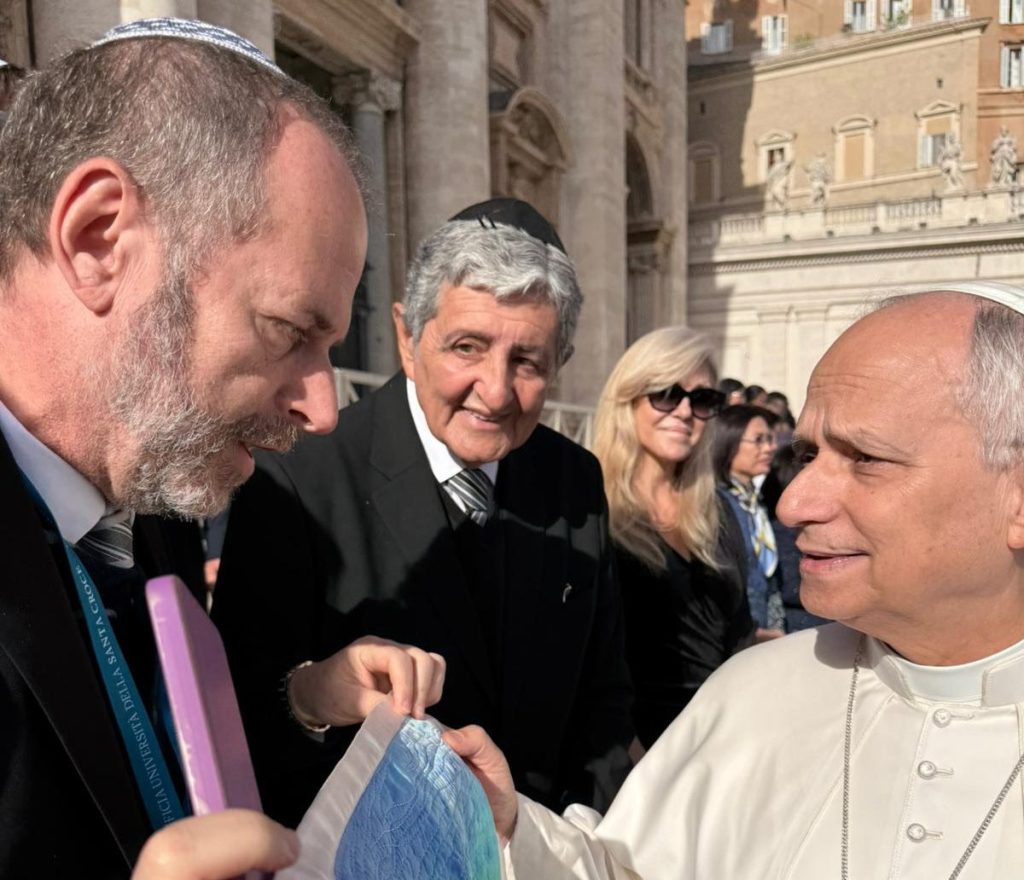
The 60th anniversary of Nostra Aetate—the groundbreaking 1965 declaration that reshaped the relationship between the Catholic Church, the Jewish people, and other religions—offered a rare moment for reflection, celebration, and renewed commitment to interfaith partnership. I was deeply honored to be among the Jewish leaders invited to the Vatican for this milestone gathering, representing B’nai Torah Congregation and the Boca Raton Interfaith Clergy Association (BRICA).
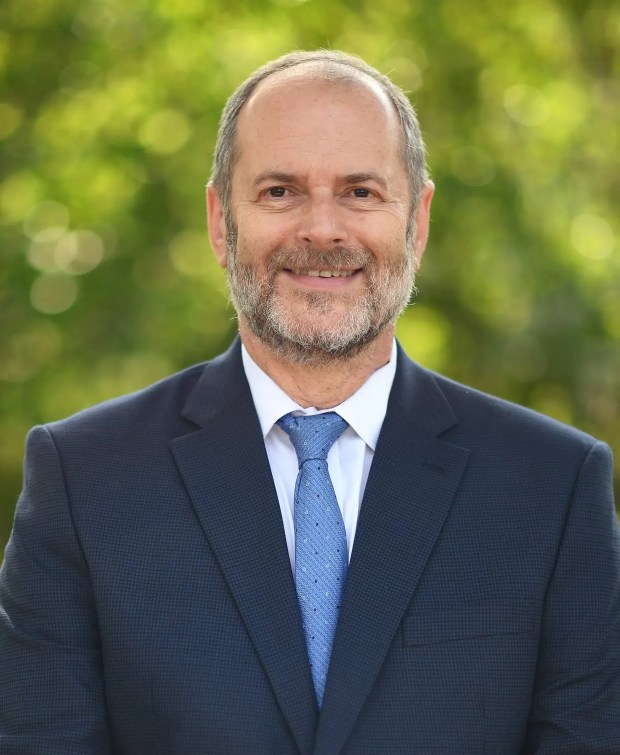 Rabbi Hector Epelbaum is a rabbi at B’nai Torah Congregation in Boca Raton. (B’nai Torah Congregation/Courtesy)
My visit from Nov. 17-20, 2025 highlighted not only the significance of the event itself but also the profound connection between past and present. Six decades after Nostra Aetate rejected antisemitism, recognized the shared spiritual heritage of Jews and Catholics, and opened the way for honest and respectful dialogue, my participation served as a humble reminder of how much progress has been made, and how much responsibility still lies ahead.
Organized by Abarbanel University of the Seminario Rabinico Latinoamericano in Buenos Aires and the Pontifical University of the Holy Cross in Vatican City, the program explored the impact of Nostra Aetate, the evolving roles of religious leaders, and the challenges of intercultural dialogue. Our journey included visits to the Jewish Catacombs, the Fosse Ardeatine, the synagogue in the Jewish Ghetto, a Buddhist temple, the Great Mosque of Rome, the Vatican Museum and Library, and culminated with a private audience with Pope Leo XIV.
During various roundtables, we examined the remarkable transformation sparked by Nostra Aetate and engaged in vital discussions on how to deepen mutual respect and understanding among members of different faiths. Before 1965, centuries of Christian teachings had fostered suspicion and hostility toward Jews, resulting in persecution and theological misconceptions. The declaration’s call to respect, dialogue, and shared learning did more than amend doctrine; it transformed entire communities. I reflected on how these changes shaped my own rabbinic education, especially as an indirect disciple of Prof. Abraham Joshua Heschel through my teacher, Rabbi Marshall Meyer.
Few figures influenced Jewish-Catholic relations in the 20th century as profoundly as Prof. Heschel. A theologian, philosopher, mystic, and civil rights activist, he played a decisive role during the Second Vatican Council, especially in the development of Nostra Aetate. In the 1960s, after the horrors of the Holocaust, there was both moral urgency and historical necessity to rethink relations between creeds. Prof. Heschel brought intellectual depth and moral clarity to his extensive dialogue with Catholic leaders.
Prof. Heschel never sought theological agreement but rather honesty and reverence. He called for interreligious humility, shared moral responsibility, and a recognition of distinctiveness without hostility—values that echo throughout the final text of Nostra Aetate and continue to guide my own approach to interfaith work.
One particularly meaningful moment of the visit was presenting a gift from B’nai Torah Congregation to Pope Leo XIV. Artist Janette Kulvin Oren created a beautiful work symbolizing our shared desire for peace and understanding. It features a dove and an olive branch, the words Shalom and Pax, a palm tree representing Florida, and the verse from Psalm 133: “How good and how pleasant it is for brothers and sisters to dwell together in unity,” in both Hebrew and English, alongside B’nai Torah’s logo. Pope Leo XIV received it with admiration and gratitude.
Today, Nostra Aetate is recognized as a pivotal moment in Jewish-Christian relations. My visit to the Vatican stands as a testament to what can be achieved when dialogue is met with sincerity and mutual respect. It will remain one of the highlights of my rabbinate and will continue to inspire me to teach, build bridges, and advocate for greater understanding between faiths—for the betterment of our communities and our world.
Rabbi Hector Epelbaum is a rabbi at B’nai Torah Congregation in Boca Raton.