22.12.2025 17:15
source: StadiumDB.com ; author: Paulina Skóra
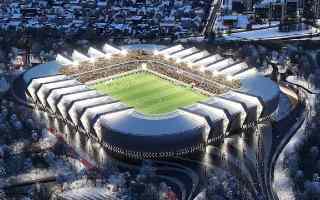
The construction of the Vilnius National Stadium is entering a new phase. Developer Hanner announced that, following design improvements, the stadium’s capacity will increase from the originally planned 18,000 to around 19,000 seats. At the same time, a team has been formed to manage the stadium’s future operations, including cooperation with the city’s football and basketball clubs.
Investment cost and financing
The goal of the project is to create a complex that supports the development of Lithuanian sports. Hanner is consulting continuously with Vilnius authorities and city lawyers to refine a design originally planned 16 years ago. In response to protests from the local sports community, the stadium’s management will no longer be outsourced to Kauno Arena from Kaunas. Instead, a new consortium of specialists has been formed, including the city’s clubs. This team will focus on professional facility management, event organization, and revenue generation, with part of the proceeds directed to city clubs.
Expanding the stadium may increase the investment by €5–10 million, but the city and state’s commitments of €155.1 million remain unchanged. Additional funding will come from Hanner’s equity or external sources. Vilnius Mayor Valdas Benkunskas highlighted that the increased capacity will make the stadium the largest in the Baltic region, enabling international sports and cultural events.
The project is co-financed by Swedbank and Luminor, which have provided Hanner with a €100 million loan for the development of the entire complex. In addition to the stadium, the complex will include a sports museum, cultural center, kindergarten, and sports facilities for athletics, basketball, handball, boxing, wrestling, and gymnastics.
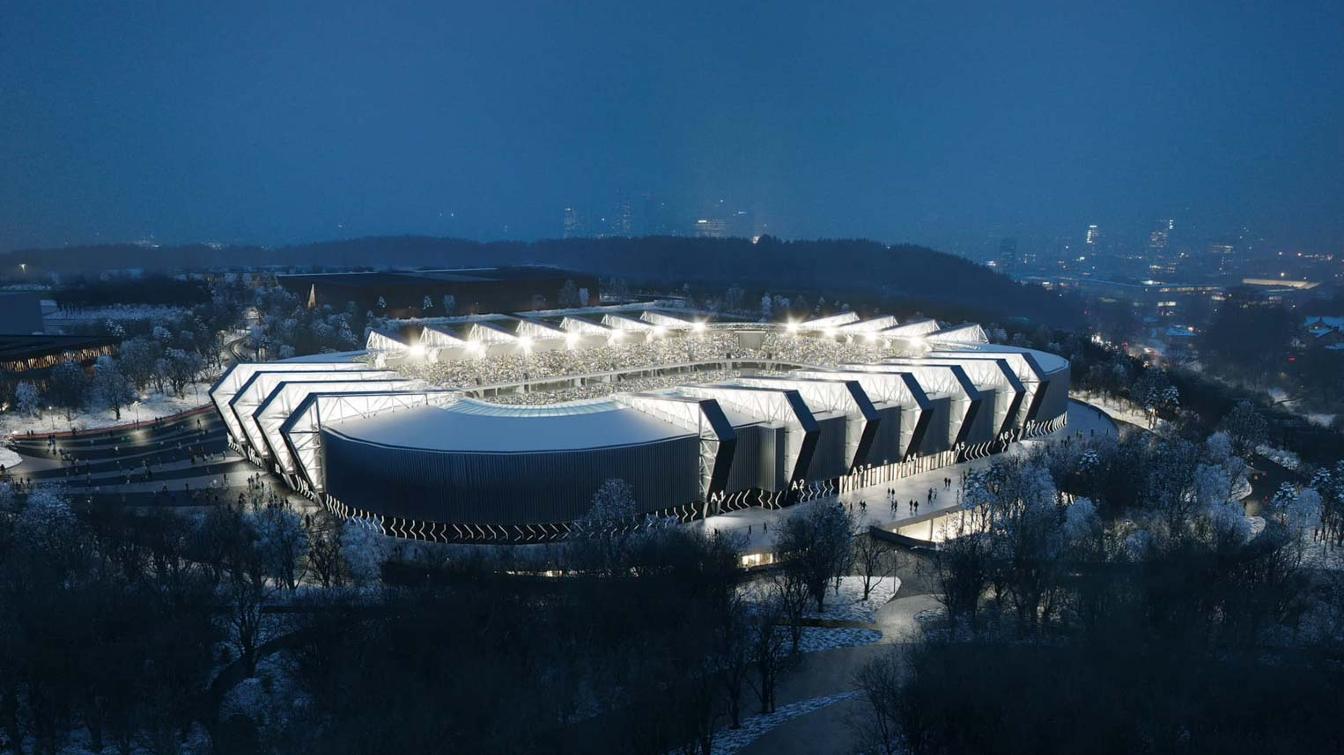 ©
© A sports and cultural hub of international significance
Construction is already underway – foundation piles have been reinforced, reinforced concrete structures are being assembled, and the stands are taking shape. Most work is expected to be completed by the end of 2027, with the first sporting events scheduled for the 2028 season. The complex is expected to attract over 500,000 visitors annually, create hundreds of jobs, and become one of the region’s most important sports and cultural centers. The Vilnius National Stadium project is considered a strategically important investment for the country, aimed at strengthening the capital’s position on the international stage.