
How we got herepublished at 13:49 GMT
13:49 GMT
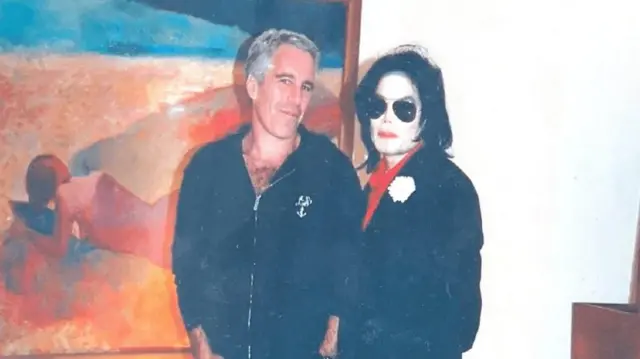 Image source, US Department of JusticeImage caption,
Jeffrey Epstein poses for a picture with singer Michael Jackson in files released last week
The investigation into Epstein
Jeffrey Epstein reached a plea deal with prosecutors in 2008, after the parents of a 14-year-old girl told police in Florida that Epstein had molested their daughter.
Photos of girls were found throughout the house, and he was convicted of soliciting prostitution from a minor. He escaped a heavy jail sentence as a result of the deal.
Eleven years later, he was charged with running a network of underage girls for sex. He died in prison while awaiting trial and his death was ruled a suicide.
Why are the files being released now?
Pressure has been building for months from across the political spectrum for more transparency into the investigations.
After initially resisting calls for the files’ release, US President Donald Trump reversed course and urged Republicans to support disclosure of the records.
Congress then passed the Epstein Files Transparency Act, which required the justice department to release all its investigative material related to Epstein by the end of day on 19 December.
Partial release of ‘the Epstein files’
A large collection of documents, including court and telephone records – and thousands of images – was uploaded on Friday night to the US Department of Justice website.
It’s the result of two criminal investigations culminating in the so-called Epstein files.
It was only the partial release of the justice department’s documents, and many pages were heavily redacted – with some blacked out in full.
This sparked criticism from victims and lawmakers alike. The White House says the Trump administration is “the most transparent in history”, and the justice department says the omissions are necessary to protect victims and for continuing investigations.