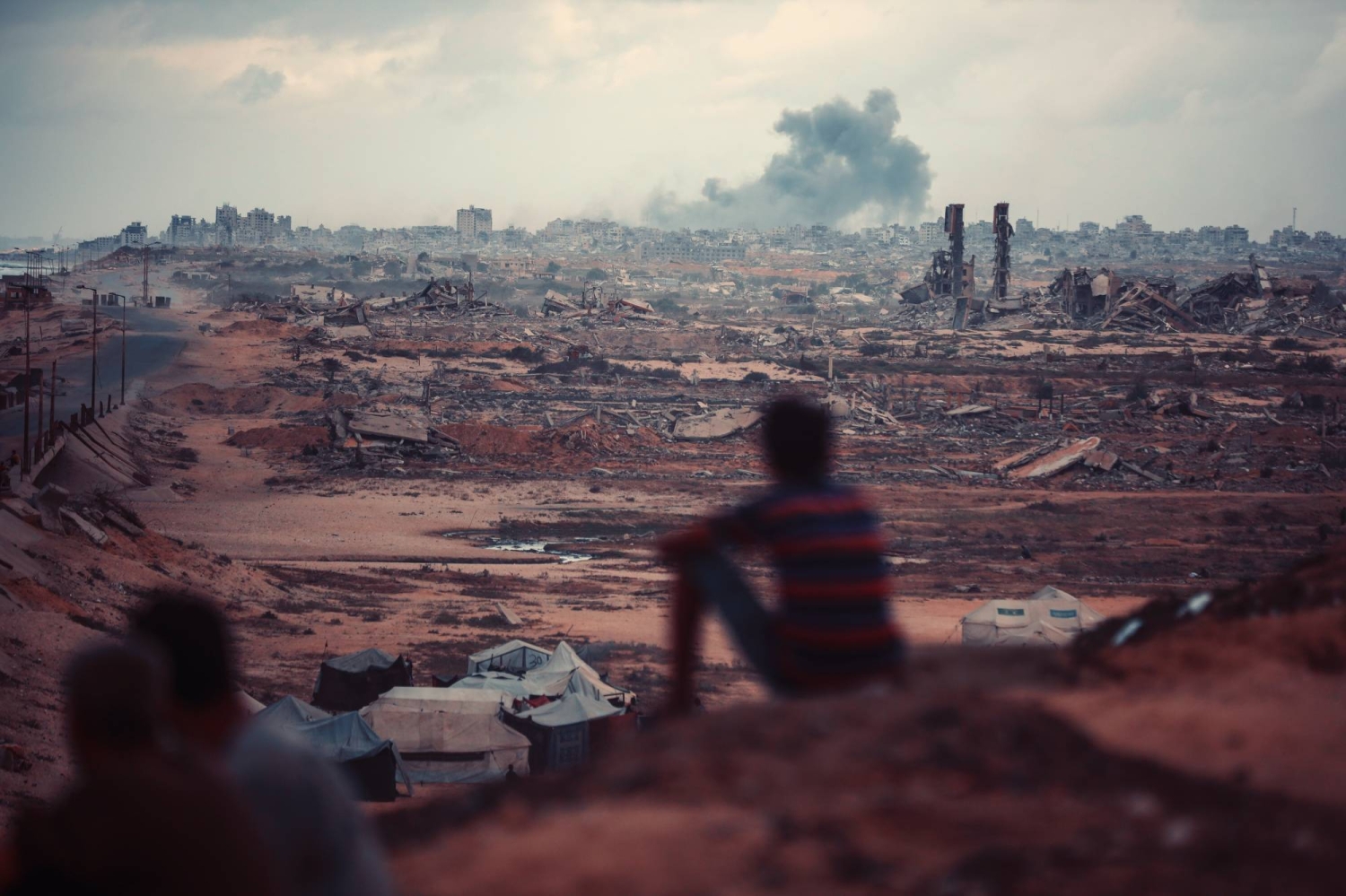
Since Hamas’ attack on Israel on Oct. 7, 2023, the Middle East has faced its most severe and consequential crisis in decades. Hamas’ egregious action demonstrated that it still posed a serious threat to Israel’s security, and the Israeli government’s reaction triggered a series of conflicts that has rattled the region.
The latest war in the Gaza Strip has produced a profound humanitarian catastrophe, the impact of which will be felt long after the fighting has ended. The conflict also quickly expanded into a broader war between Israel and the Iranian-anchored “Axis of Resistance,” turning Lebanon, Syria, Yemen, Iran, and even Qatar into battlefronts. Israel has scored important victories in each, crushing Hamas, defeating Hezbollah (by eliminating its leadership), vastly reducing Iran’s influence in the Levant, and inflicting significant damage on the Islamic Republic’s military and nuclear infrastructure.
Following Israel’s strike on Hamas targets in Qatar in September, the United States began pushing for a ceasefire in Gaza. But with or without one, Israel will continue to pursue expansive goals, redrawing borders in the West Bank, southern Lebanon, and southwestern Syria in ways that could further fracture its neighbors. The Axis of Resistance is, for all intents and purposes, no longer the grave threat that it once was. In its absence, the Levant is being carved into a pliable “axis of minorities,” with Alawite, Druze, Maronite, Shiite and Sunni camps competing against one another within an expanding Israeli sphere of influence.