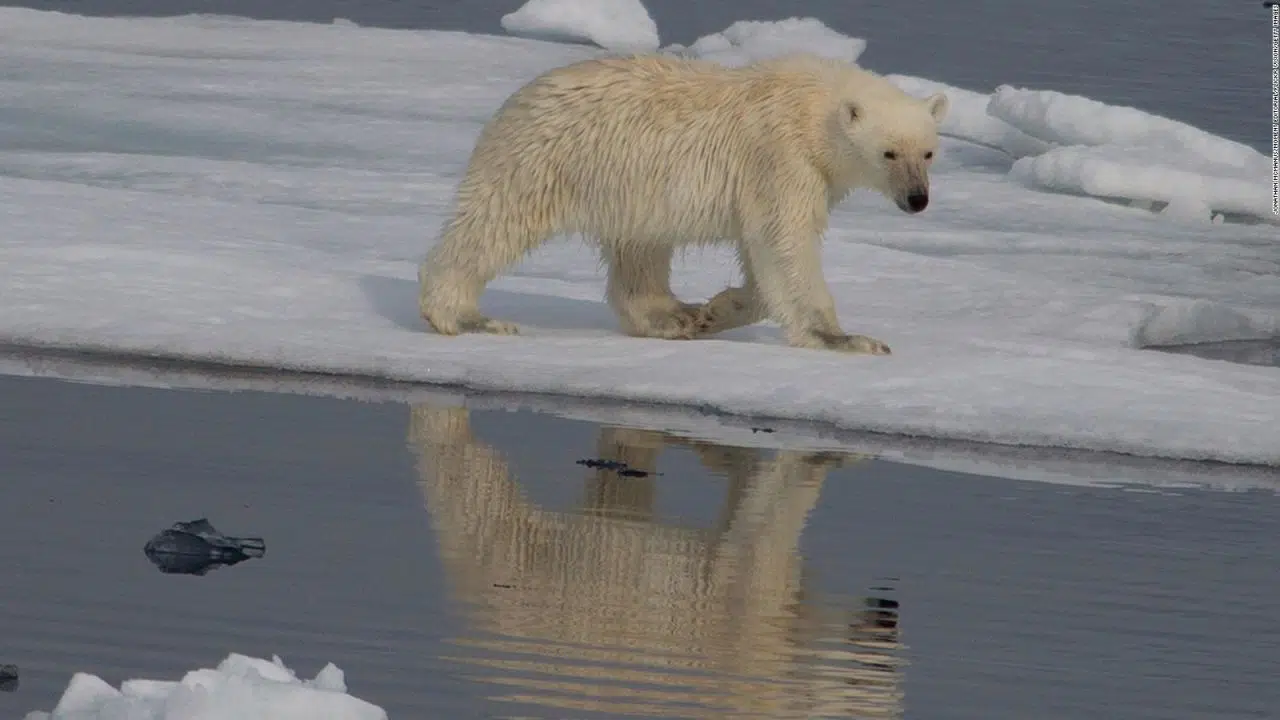
Climate change is causing the accelerated melting of the Arctic, posing a serious threat to species like the polar bear (Ursus maritimus), which relies on sea ice to hunt and survive. With an estimated population between 22,000 and 31,000 individuals, the World Wildlife Fund (WWF) classifies them as a “vulnerable” species.
Projections warn that by 2050, up to two-thirds of their population could disappear and become extinct by the end of the century.
However, a new study published in the journal Mobile DNA suggests that some polar bears in Greenland are experiencing accelerated modifications in their DNA, which could help them adapt to warmer climates and reduce the risk of extinction.
Genetic adaptations in real-time
The research, led by Alicia Godden from the University of East Anglia, analyzed populations from northeast and southeast Greenland. While the northeast has colder and more stable temperatures, the southeast experiences significant fluctuations and higher heat.
Scientists discovered that bears in the southeast have undergone modifications in their transposons or “jumping genes,” which make up about 38% of the genome. These DNA segments can move and reinsert themselves in different places, generating mutations and genetic reorganizations.
“The warmer climate caused a massive mobilization of these transposons, modifying the polar bear’s genome sequence,” explained Godden.
More than 1,500 transposons showed increased activity, evidencing an accelerated process of genetic adaptation.
Transposons: moving pieces of the genome
Transposons function as pieces of a puzzle that can rearrange, allowing animals to adapt to new environments.
Although genetic evolution is usually slow, environmental stress can accelerate these changes, offering an adaptive advantage in scenarios of climate crisis.
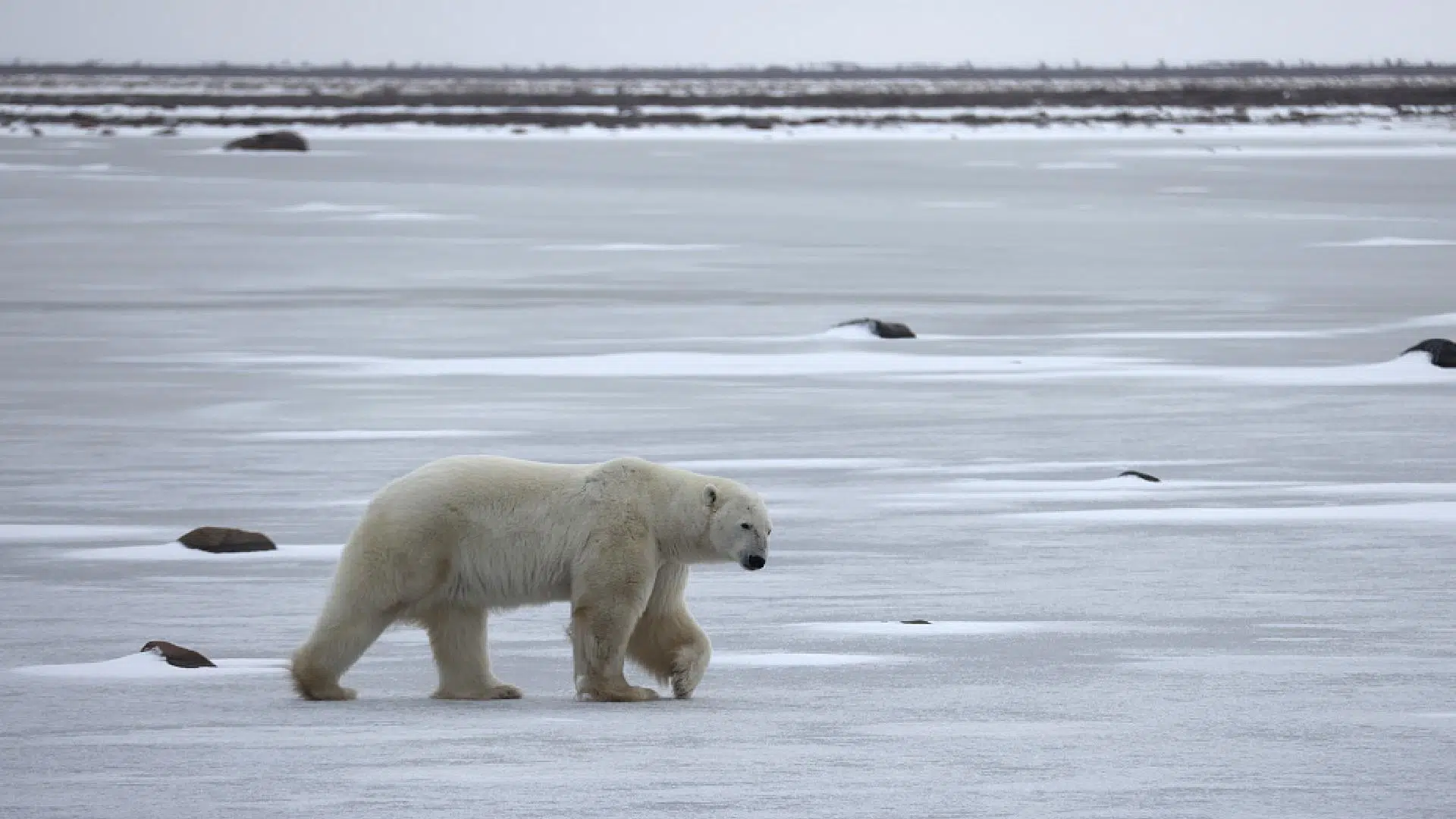 A study reveals adaptations that could help them survive climate change.
Changes in diet and behavior
In addition to genetic modifications, researchers observed that polar bears in southeast Greenland are progressively adjusting their diet. With the reduction of sea ice, which limits seal hunting, some individuals are beginning to consume rougher plant-based diets available in warmer regions.
This finding suggests that the species is not only adapting at the molecular level but also in their eating habits, which could expand their chances of survival in a changing Arctic.
Implications for conservation
Understanding these genetic changes is key to anticipating how polar bears might survive in a warming world and which populations are at greater risk.
The mobilization of transposons could become a mechanism for rapid adaptation.
Dietary flexibility shows resilience in the face of sea ice loss.
The findings offer new tools to design more precise conservation strategies.
“We have discovered how the polar bear genome adapts and responds, in the short term, to environmental stress and warmer climates,” concluded Godden.
Although ice retreat remains a critical threat, polar bears in southeast Greenland show signs of accelerated genetic adaptation and changes in their diet that could help them withstand the impact of climate change. This discovery opens a window of hope for the conservation of an iconic species but also underscores the urgency to reduce global emissions and protect Arctic ecosystems.