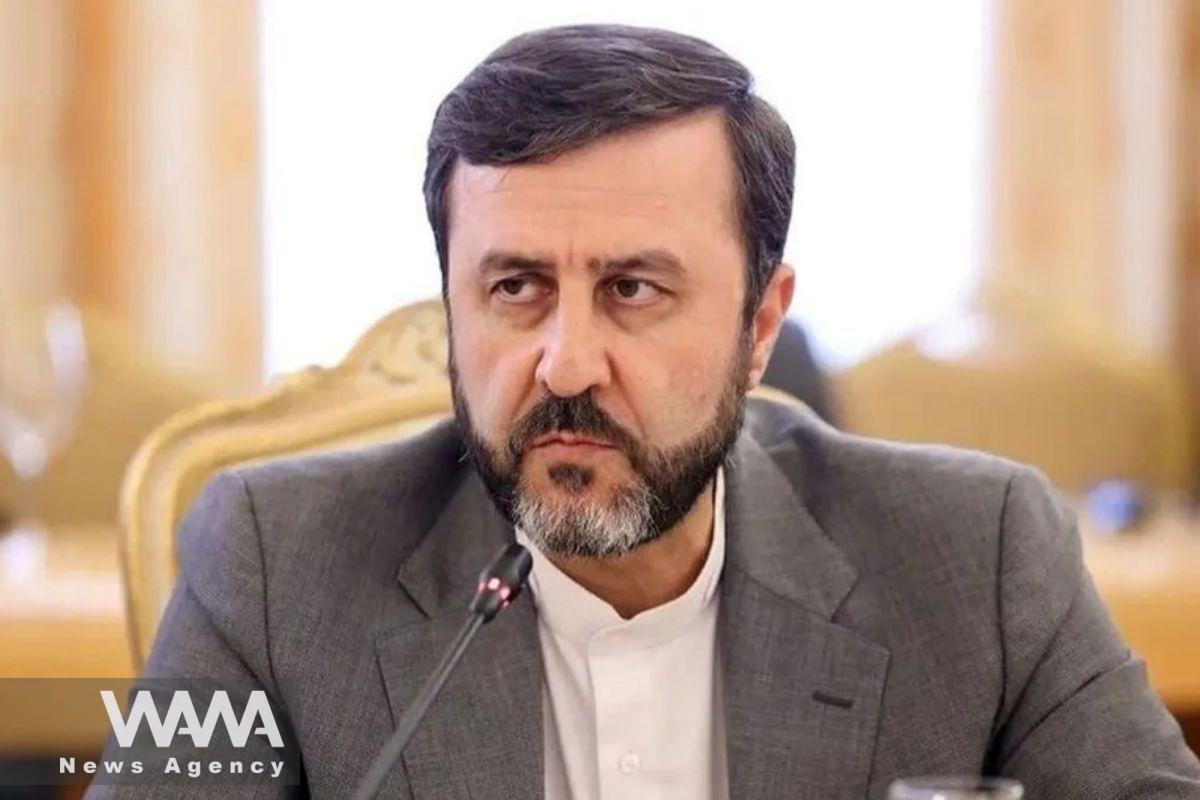
WANA (Dec 25) – Iran’s Deputy Foreign Minister for Legal and International Affairs, Kazem Gharibabadi, stated today that the nuclear issue is used as a mere “excuse” by adversaries, attributing their hostility to the Islamic nature of the system, Iran’s independence, and its national progress.
Diplomacy and Defense
Addressing a gathering, Gharibabadi noted that recent talks with the new U.S. administration were conducted with “complete distrust” and necessary preparations to counter any military action. He emphasized that during the negotiations, “the field [military readiness] and diplomacy were fully aligned.”
The 12-Day Conflict and Nuclear Allegations
The Deputy Foreign Minister rejected any link between the “aggressive war against Iran” and the nuclear negotiations. He argued that adversaries had been preparing for such an action for years.
“The act of aggression in the midst of negotiations—targeting innocent people, residential areas, and infrastructure—demonstrated that the nuclear issue is purely an excuse,” Gharibabadi remarked.
Military Assessment and Regional Impact
Gharibabadi asserted that both the Israeli regime and the United States “completely failed” in their military actions against Iran.
He stated that they failed to achieve their strategic objectives, while Iran delivered “heavy and painful blows” to the Israeli regime, eventually forcing a request for a ceasefire. He further cited a “powerful attack on a U.S. military base in the region” as evidence of Iran’s authority.
Conclusion and Domestic Focus
Reflecting on the 12-day war, the official highlighted three key outcomes:
The creation of an international consensus in condemning the aggressors.
National unity and cohesion within Iran in the face of aggression.
The recognition by regional countries that the Israeli regime is the primary threat to the region.
Gharibabadi concluded by praising the Iranian leadership’s measures during the recent conflict and emphasized the necessity of a “strong Iran” in both military and economic sectors, while calling for greater attention to the needs of the people.
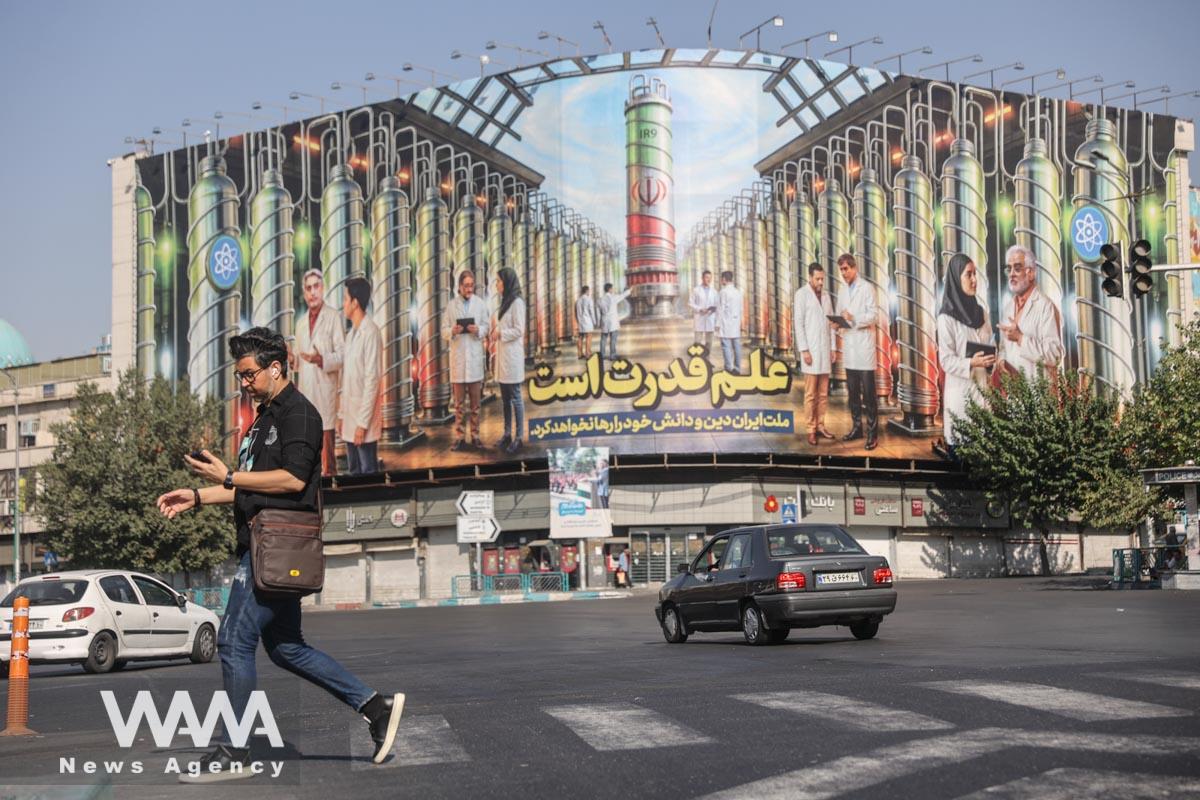
People walk past a billboard with a picture of nuclear scientists killed in Israeli strikes and Iranian centrifuges, on a street in Tehran, Iran, August 29, 2025. Majid Asgaripour/WANA (West Asia News Agency)