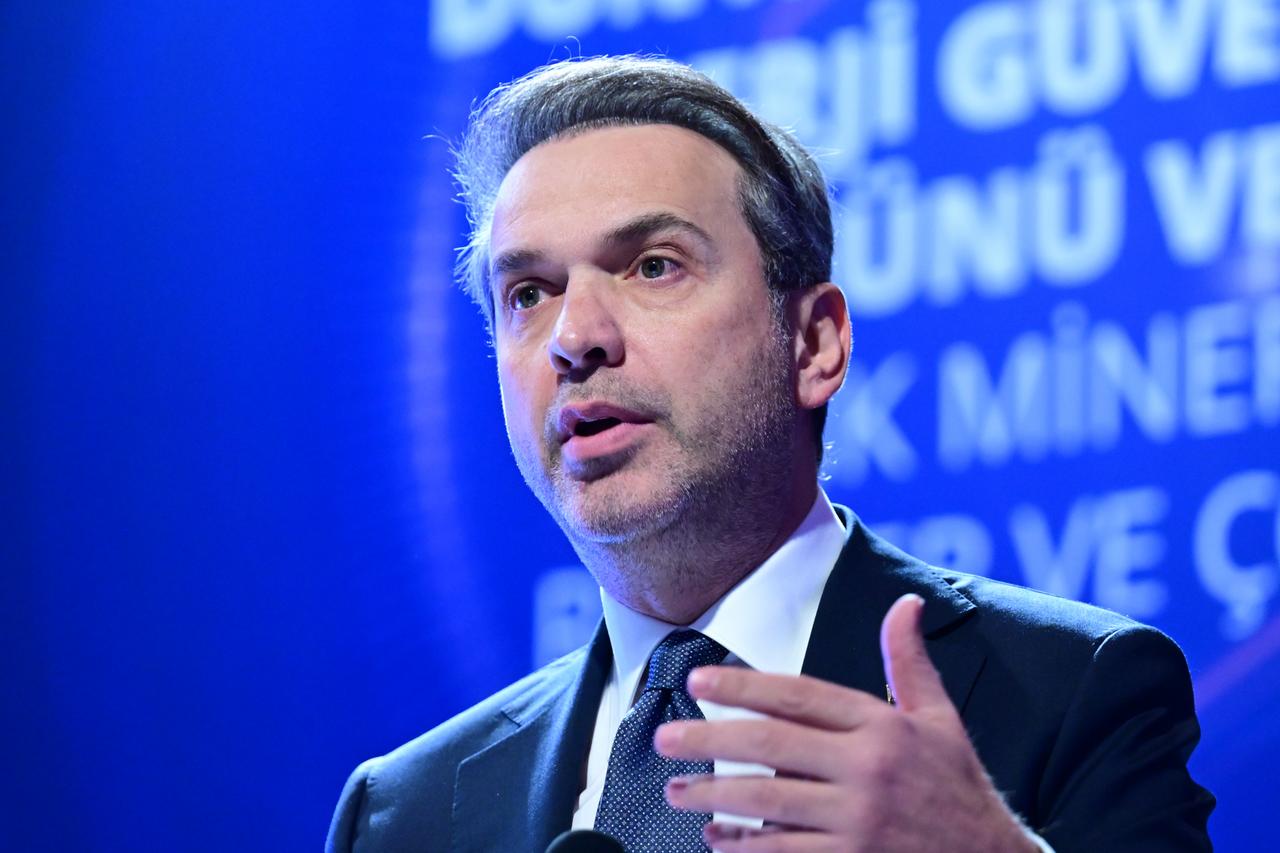
Türkiye is preparing to launch a five-year, ₺1 trillion ($34 billion) investment and maintenance program focused on strengthening the country’s electricity distribution infrastructure, Energy and Natural Resources Minister Alparslan Bayraktar announced on Friday.
The project, set to be unveiled soon by the Energy Market Regulatory Authority (EPDK) as one of the most extensive infrastructure efforts to date aimed at modernizing Türkiye’s energy delivery systems, Bayraktar said during the IICEC Conference held at Sabanci Center.
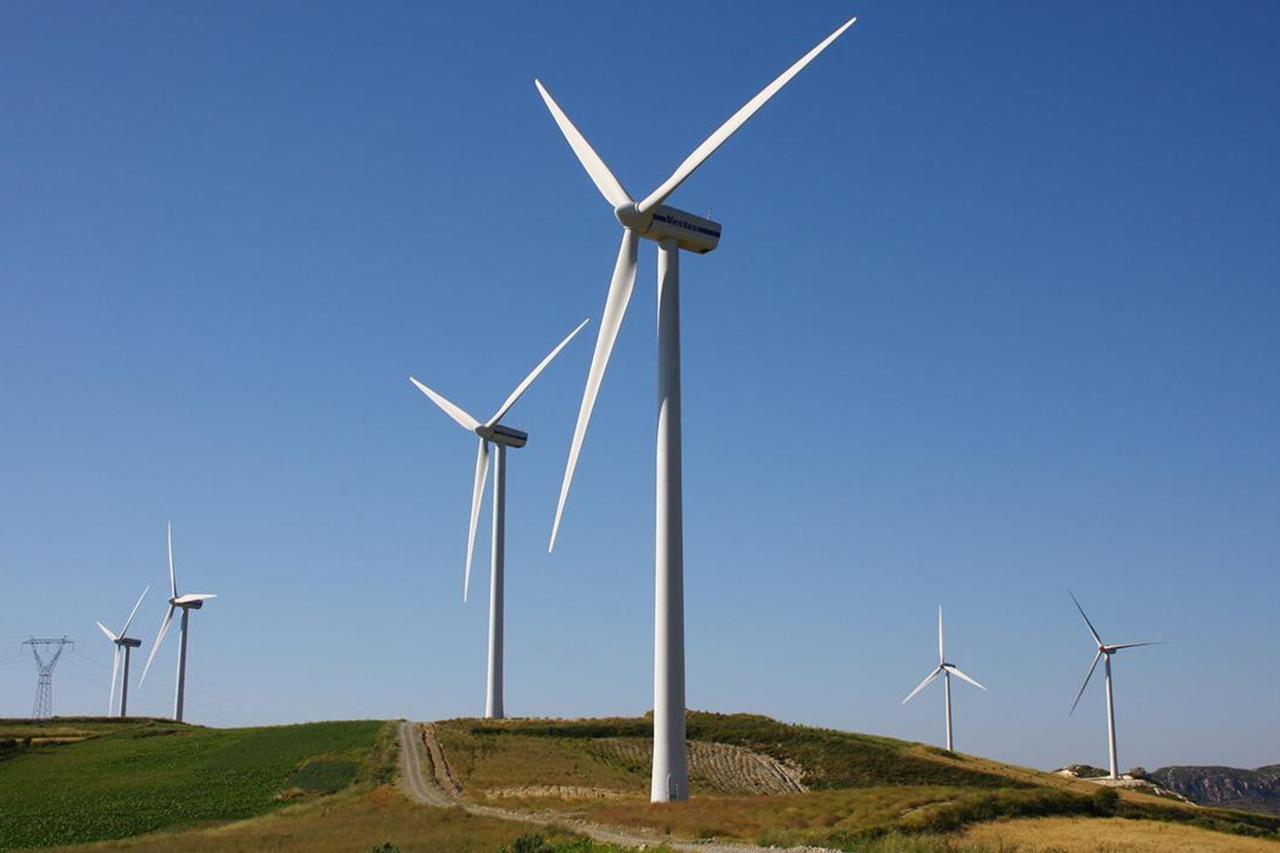
The initiative forms a central pillar of Türkiye’s broader strategy to meet its renewable energy goals for 2035, which include reaching 120,000 megawatts (MWs) of renewable installed capacity, nearly triple the current level. The plan will be supported by annual additions of 8,000 to 9,000 MWs of new capacity, with 2025 already set to close with over 8,000 MWs brought online from solar and wind sources combined, the minister said.
More to Read
Türkiye plans $30B transmission upgrade, green energy corridor
On the transmission side, Bayraktar stated that Türkiye is initiating what he called a “Transmission 2.0” strategy, which includes major investment in high-voltage direct current (HVDC) systems to ensure the seamless integration of renewables into the national grid. Over the next decade, Türkiye expects to invest approximately $30 billion into this transmission transformation.
“Without major upgrades to our transmission infrastructure, the system will not be able to handle the scale of renewable integration we are targeting,” Bayraktar noted.
Bayraktar also outlined plans for a national storage master plan, to be published by 2026, under the coordination of Türkiye’s electricity transmission operator TEIAS. The plan will map out macro-scale storage requirements and guide the phased deployment of 2,000 to 3,000 MWs of storage capacity beginning that same year.
Additionally, Türkiye intends to strengthen cross-border electricity trade, with a focus on expanding exports to Syria and Iraq and establishing a green corridor via Nakhchivan for electricity transmission to Europe. New rooftop solar policies and capacity prioritization will also be laid out in 2026 as part of a broader self-consumption initiative.
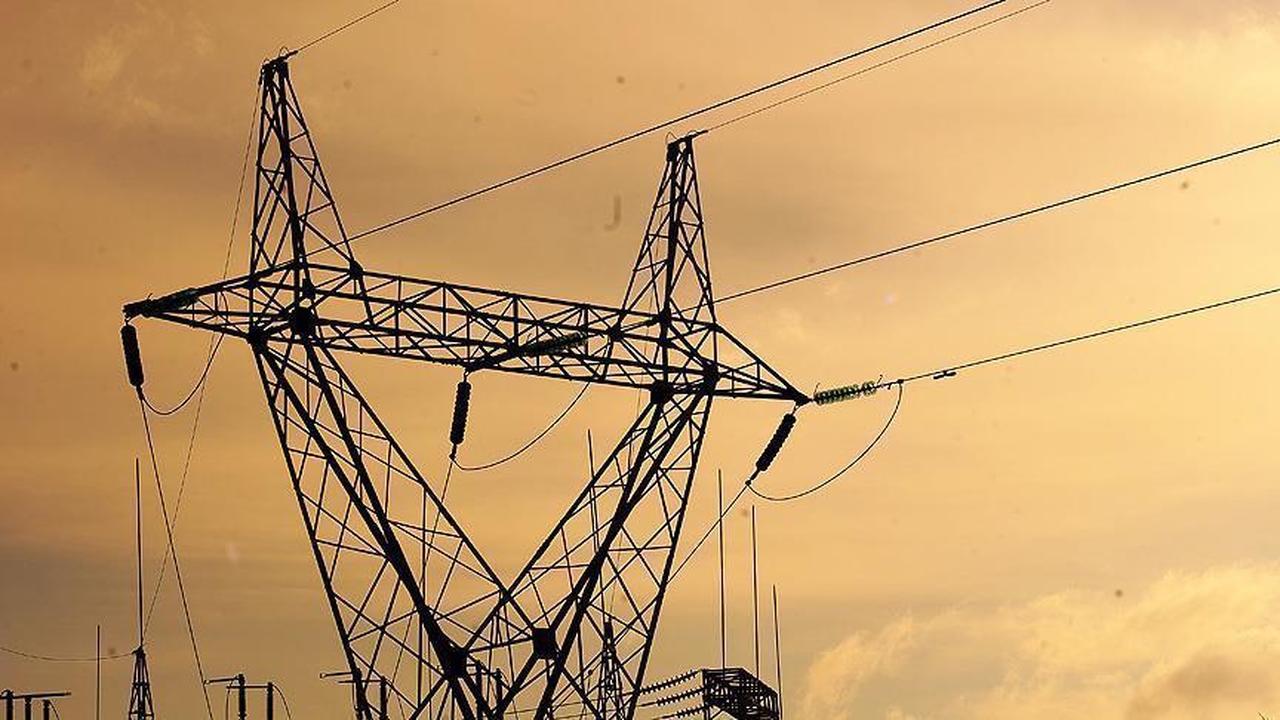

File photo shows a high-voltage transmission tower somewhere in Türkiye. (AA Photo)
Turkish Petroleum targets 1M-barrel output, first fracking in 2026
Türkiye is intensifying its oil and gas exploration efforts, both domestically and abroad, the minister highlighted. In the unconventional segment, Bayraktar said that Türkiye will begin its first horizontal fracturing operations in 2026 in Diyarbakir across 24 wells.
Internationally, Türkiye aims to transform its national oil company, Turkish Petroleum Corporation (TPAO), into a globally active player through mergers and acquisitions. “We’re aiming to become a company producing 1 million barrels of oil and gas,” Bayraktar stated, referencing new joint operations in Somalia and Pakistan, with drilling activities expected to commence in both countries in 2026.
Bayraktar emphasized Türkiye’s evolving liquefied natural gas (LNG) strategy, citing long-term contracts that now offer greater flexibility under Free on Board (FoB) terms. “We aim to turn BOTAS into a trading company in this regard,” he added, indicating that the shift allows Türkiye to redirect cargoes to Europe or conduct swap trades as needed.
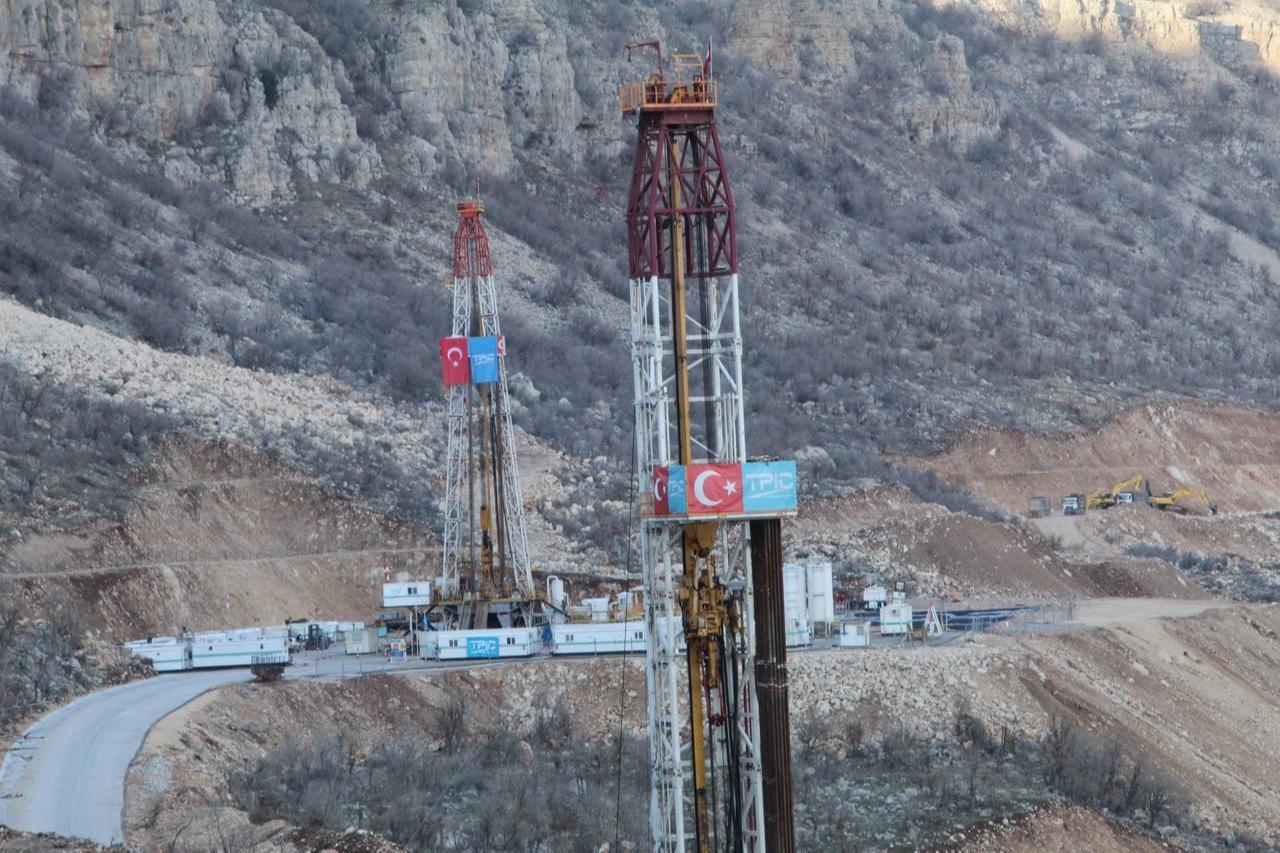
A view of the oil field in the Gabar region in Sirnak province, southeastern Türkiye, March 10, 2024. (IHA Photo)
2026 set to peak for foreign funding in Türkiye’s energy sector
On the mining front, Türkiye is advancing its rare earth element refining capabilities, particularly at the Beylikova site in Eskisehir. The facility, currently producing at a pilot scale, aims to expand to an industrial capacity of 570,000 tons annually. Achieving 99.9% purity will require advanced refining technologies, for which Türkiye is holding talks with various countries, Bayraktar remarked.
Bayraktar also said state-owned enterprises in the energy sector, including TEIAS, Turkish Petroleum, Eti Maden, and BOTAS, are slated for restructuring as part of a push for improved operational efficiency.
Looking ahead, Bayraktar concluded that 2026 will be a peak year for foreign financing across multiple energy sectors in Türkiye. A wide array of new financial instruments is expected to be introduced to attract external capital and fund the ambitious transformation programs already underway.
“Next year will be a year of intensive foreign financing through different channels,” he said.

December 27, 2025 11:31 AM GMT+03:00