‘This is a public safety crisis. Northern lives deserve urgency, investment, and action’
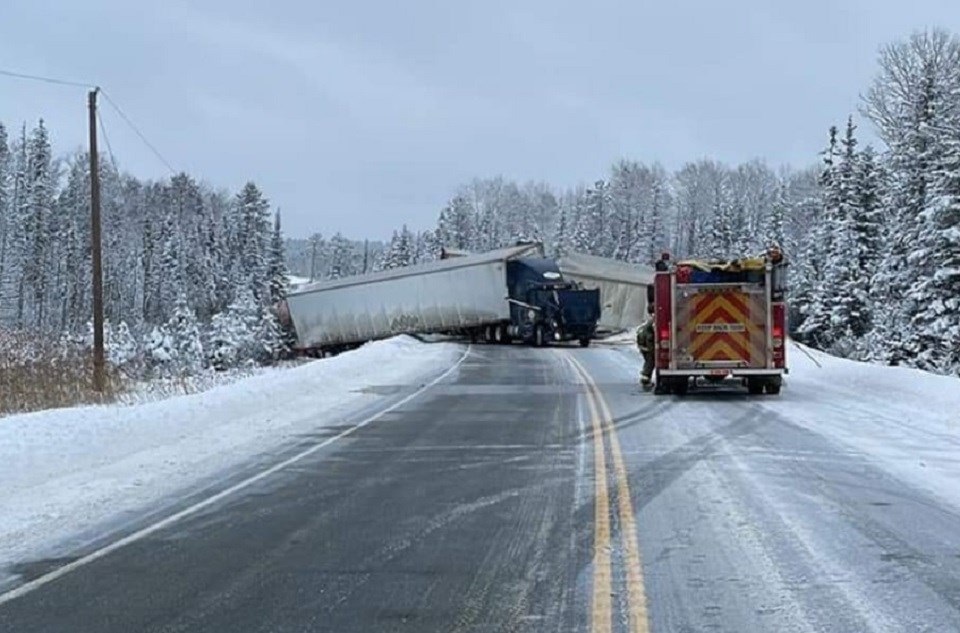
A devastating collision on Highway 11 that killed three people — including two youth — has reignited concerns over the state of northern Ontario’s highways, with NDP MPP Guy Bourgouin calling it part of a larger pattern of neglect.
Bourgouin says the crash is raising urgent concerns about unsafe road conditions and repeated highway closures across the north.
See: Three killed, including two youth, in Highway 11 crash
“We share our deepest condolences with the family and loved ones affected by the deadly collision near Opasatika that claimed the lives of three people,” said Bourgouin, who represents the riding of Mushkegowuk-James Bay.
“This tragedy is part of a much bigger pattern of neglect on Highways 11 and 17. Northern highways are lifelines. There are no alternate routes. When roads are unsafe or closed, communities are cut off, people are afraid to travel, and lives are put at risk.
“We have written to Premier Ford again and are pushing a renewed letter-writing campaign because this is a public safety crisis. Northern lives deserve urgency, investment, and action.”
Back in June, Bourgouin introduced Bill 49: the Northern Highway 11 and 17 Safety Act, 2025. The proposed legislation called for new measures, including enhanced OPP enforcement along Highways 11 and 17 and returning the direct management of winter road maintenance in northern Ontario to the Ministry of Transportation rather than private contractors.
The bill was defeated in November.
“The government has failed the North again,” Bourgouin said at the time.
Earlier this year, the Federation of Northern Ontario Municipalities (FONOM) called on the federal and provincial governments to invest in an innovative plan that it says would improve road safety and boost trade efficiency.
If approved, the project would convert stretches of both major northern highways into a 2+1 model — a three-lane highway with a centre passing lane that changes direction approximately every two to five kilometres. Common in parts of Europe, the 2+1 model is considered much more cost-efficient than twinning a highway.