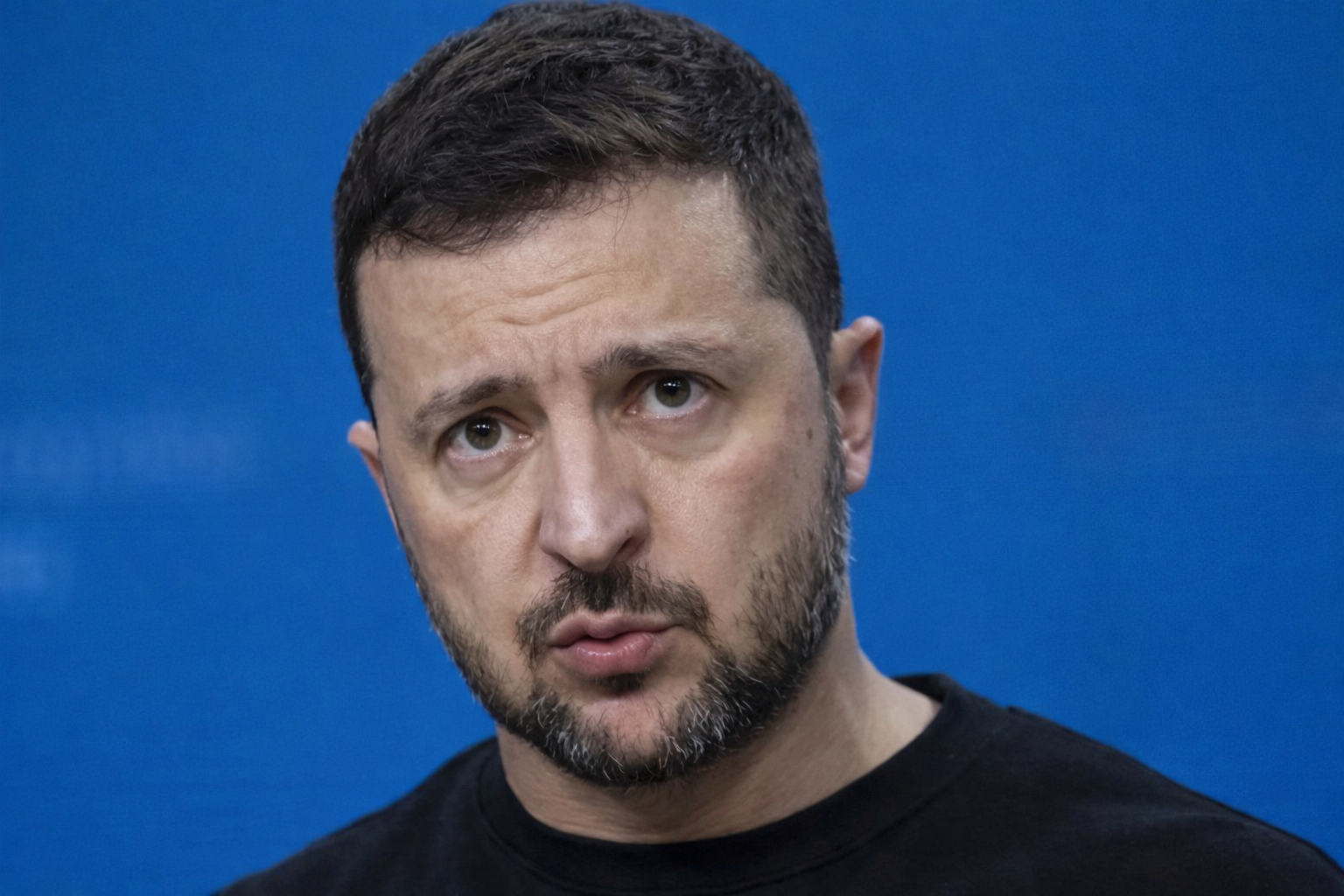
Canada has announced a new major financial commitment to Ukraine, pledging approximately $1.8 billion in additional support as the war with Russia enters another winter marked by renewed missile and drone attacks. The announcement coincides with Ukrainian President Volodymyr Zelenskyy preparing for high level discussions in the United States, including a planned meeting with former President Donald Trump, reflecting an intensifying diplomatic push aimed at stabilizing Ukraine’s economy and shaping the next phase of international involvement in the conflict.
The Canadian funding package, announced by the federal government in Ottawa, is designed to provide economic assistance rather than direct military aid. Officials described the funding as support for Ukraine’s fiscal stability, essential government services, and longer term reconstruction planning. The money is expected to complement financing already provided through international institutions and allied governments, helping Ukraine manage ongoing war related pressures on its economy while sustaining public sector operations amid persistent infrastructure damage.
Canada has been among Ukraine’s most consistent supporters since Russia’s full scale invasion began, contributing military equipment, humanitarian relief, and financial assistance. This latest commitment underscores Ottawa’s view that economic resilience is a critical pillar of Ukraine’s ability to continue defending itself and negotiating from a position of strength. The funding announcement came amid reports of intensified Russian strikes on Kyiv and other cities, with energy facilities and civilian infrastructure again targeted during colder months when disruptions have heightened humanitarian consequences.
At the same time, Zelenskyy’s diplomatic agenda has taken on added urgency. His planned visit to the United States includes meetings focused on security guarantees, long term aid commitments, and potential frameworks for ending the conflict. A centerpiece of the trip is a scheduled discussion with Trump at his Florida residence, a meeting that has drawn international attention due to Trump’s influence within U.S. politics and his public comments about bringing the war to a negotiated conclusion.
The talks are expected to center on a proposed peace framework that has been circulating among U.S. and allied policymakers. While details remain fluid, the plan is understood to address security guarantees for Ukraine, postwar reconstruction mechanisms, and the status of contested territories. Zelenskyy has consistently maintained that Ukraine cannot accept the permanent loss of territory it currently controls, while signaling openness to internationally monitored arrangements that reduce active fighting if matched by reciprocal actions from Russia.
The timing of these discussions is shaped by conditions on the ground. Recent weeks have seen waves of Russian aerial attacks aimed at weakening Ukraine’s energy grid and straining civilian morale. Ukrainian officials have argued that such strikes demonstrate Moscow’s continued reliance on military pressure even as diplomatic channels remain active. For Ukraine’s leadership, securing predictable financial and security support from Western partners is viewed as essential to weathering both the immediate military threat and the broader economic toll of the war.
Canada’s announcement also carries symbolic weight within the broader alliance supporting Ukraine. By emphasizing economic aid at a moment of renewed violence, Ottawa is signaling that assistance is not limited to battlefield needs but extends to maintaining Ukraine’s institutional capacity and postwar viability. This approach aligns with efforts by other allies to frame support for Ukraine as an investment in long term regional stability rather than a short term crisis response.
As Zelenskyy engages with U.S. leaders and political figures, the outcome of these conversations could influence the trajectory of international support in the months ahead. With the war approaching another year milestone, Ukraine’s partners are balancing the demands of continued assistance with growing domestic debates over costs and strategy. The convergence of Canada’s financial commitment and Zelenskyy’s U.S. diplomacy highlights a moment in which economic backing, political engagement, and security planning are increasingly intertwined.
For Ukraine, the stakes remain high. Sustained international support is seen as vital not only to resist ongoing attacks but also to preserve the conditions necessary for any future peace to be durable. Canada’s $1.8 billion pledge and the high profile talks in the United States together reflect an evolving phase of the conflict, one defined as much by economic endurance and diplomatic maneuvering as by developments on the battlefield.