
Ireland’s population is set to “peak” within three decades, a new report has found, writes Jamie McCarron.
The National Economic and Social Council (NESC) report, released yesterday, said the “peak” could lead to a “vicious downward cycle” of stagnation that would require high levels of immigration to address.
It found Ireland’s demographic profile is undergoing “rapid and profound change” due to falling birth rates and an ageing population.
And it pointed out that “peak baby” and “peak child” milestones were reached in 2010 and 2024, respectively.
Both milestones reflect a sharp and sustained fall in births, while other notable trends include the gradual regional depopulation of certain rural areas.
The average number of children per family was just 1.34, according to the 2022 Census data, down slightly from the previous Census and well below the replacement rate of 2.1 children per family.
The NESC’s Building a Virtuous Demographic Cycle report found Ireland risks having insufficient workers and tax revenues to support an ageing population, as fewer children are born here every year.
The report aims to highlight measures that can proactively guide and adapt to demographic changes, with two potential outcomes identified for Ireland’s future – a vicious cycle or a virtuous cycle.
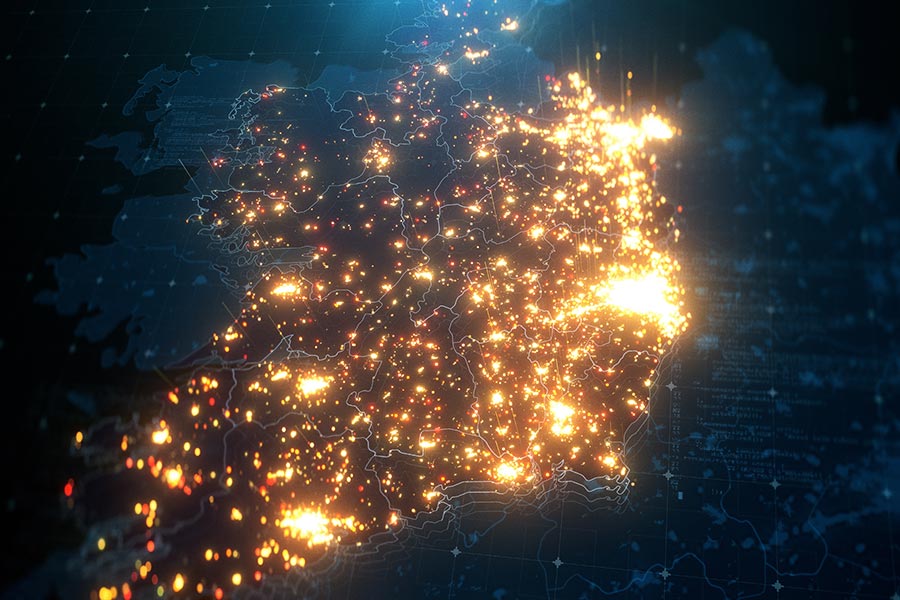 The NESC’s Building a Virtuous Demographic Cycle report found Ireland risks having insufficient workers and tax revenues to support an ageing population, as fewer children are born here every year.
NESC director Dr Larry O’Connell said: “While Ireland has undergone remarkable change in recent decades, it would be unrealistic to assume this pace can continue indefinitely.”
He added that “with a positive and ambitious approach, Ireland can ensure demographic change becomes a springboard for a more cohesive and inclusive society”.