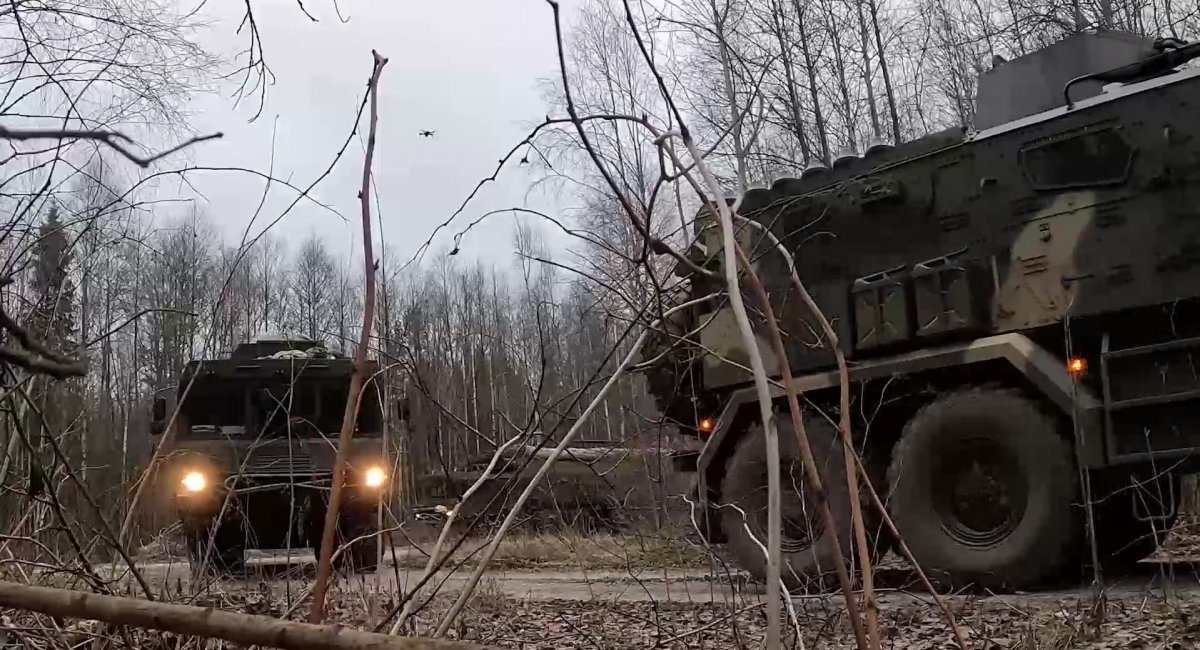
In Belarus, russian Strategic Rocket Forces have officially deployed the first Oreshnik medium-range ballistic missile system. The published video shows the presentation and the individual vehicles of the system.
Only three vehicles were captured on camera: security, communications, and support vehicles. The key element, the self-propelled ballistic missile launcher, wasn’t displayed.
Read more: russian Shadow Fleet Ship Sank with Nuclear Reactor Components Aboard
With only around 70 personnel shown in the video, it is unlikely that even a single system is fully represented, as it should include multiple launchers, a command post, as well as many communications and support vehicles.
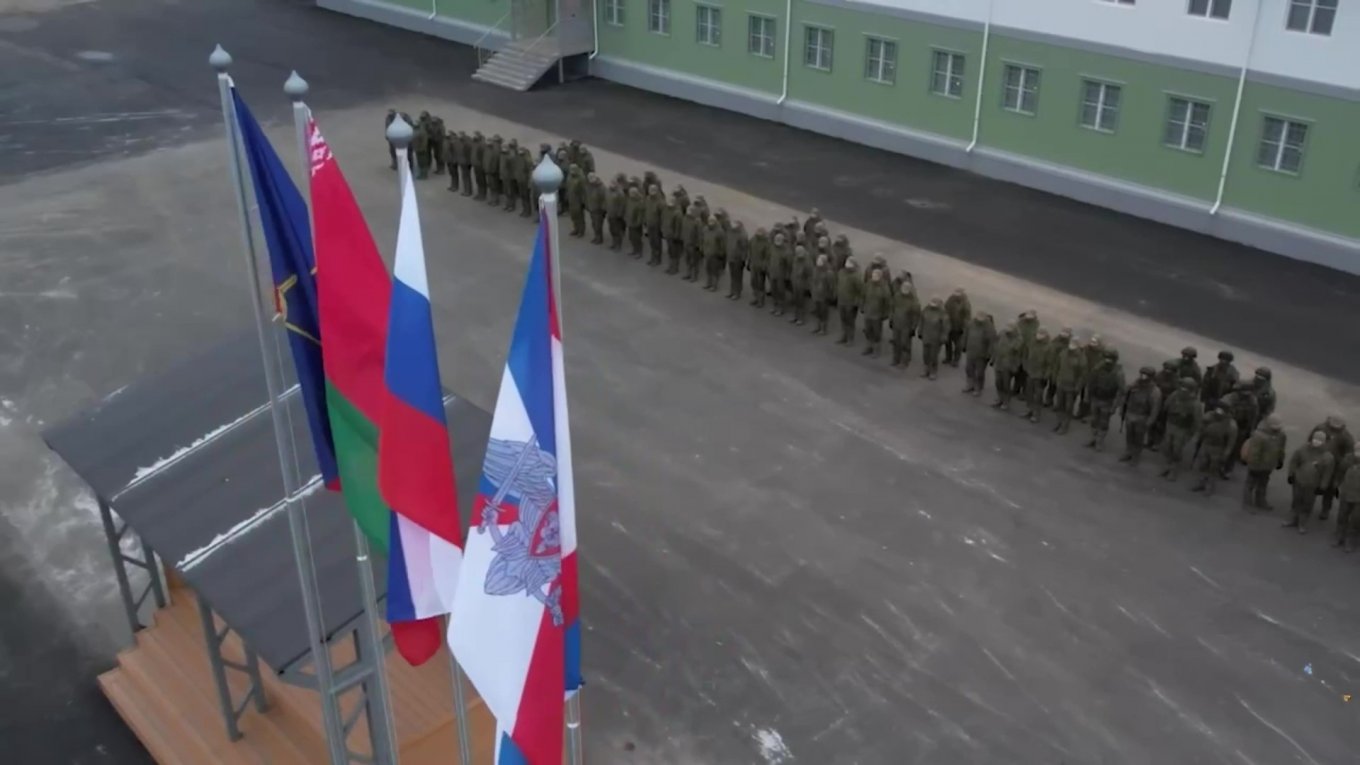
It is likely that no combat-ready system is currently deployed in Belarus. However, this does not rule out the gradual deployment of the russian Strategic Rocket Forces units in the country, which are expected to receive missiles and reach combat readiness in 2026 or later.
At the same time, the video’s depiction of some of the Oreshnik system’s vehicles still deserves attention. In particular, the movement is escorted by a security vehicle built on the Ural-63095 Typhoon platform.
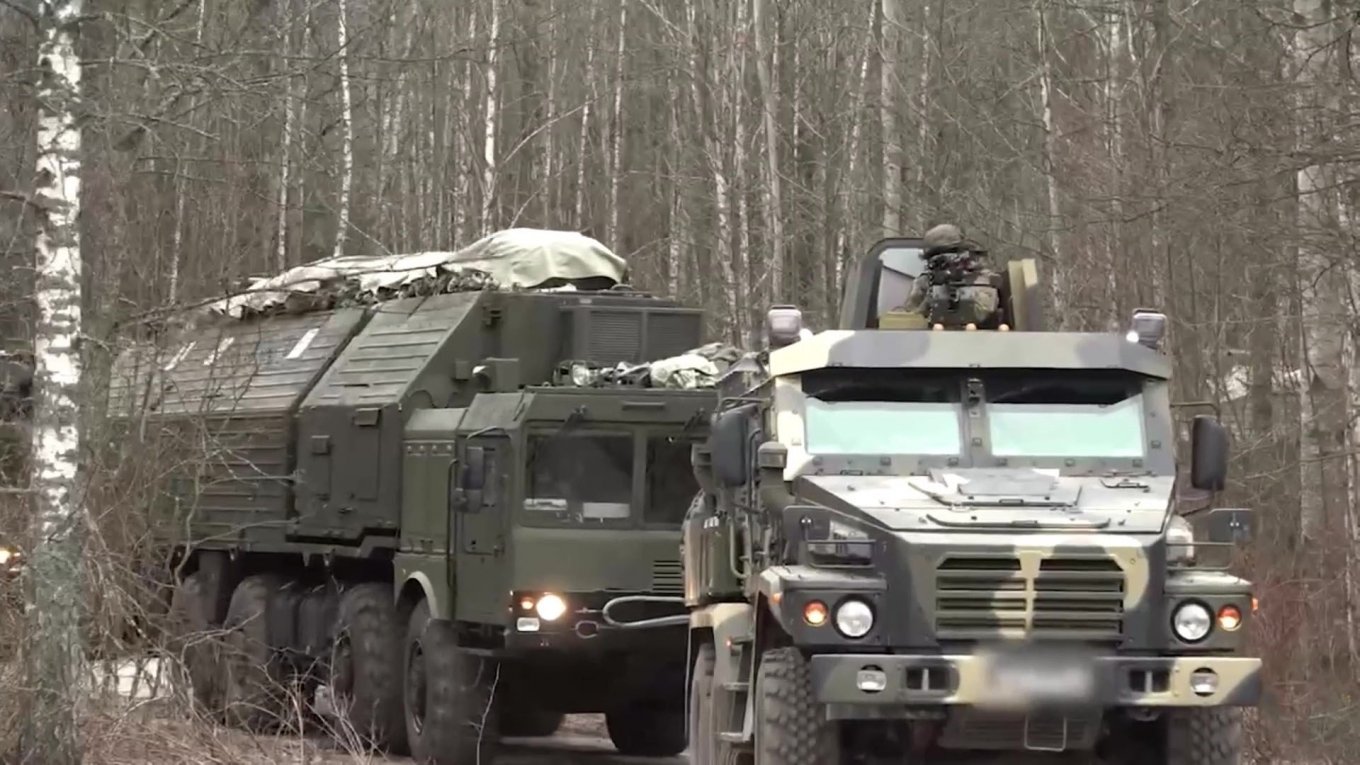
Following it is a vehicle, likely either a mobile command post or a combat-duty support vehicle, similar to those in the Yars system.
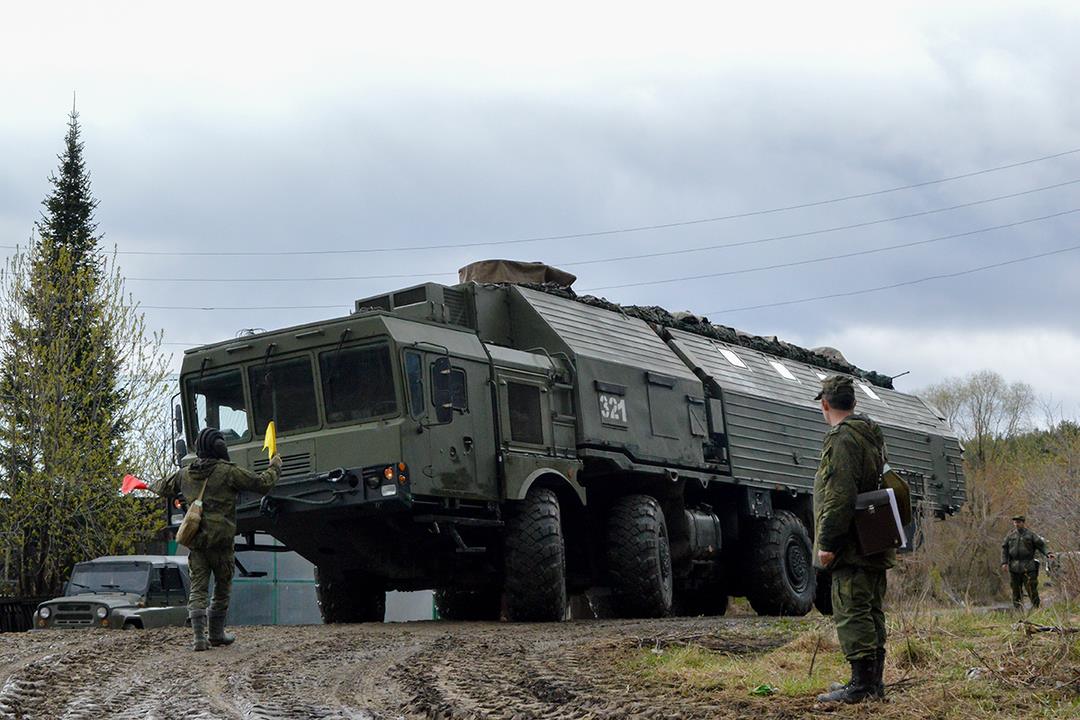
The column of three vehicles ends with a communications vehicle.
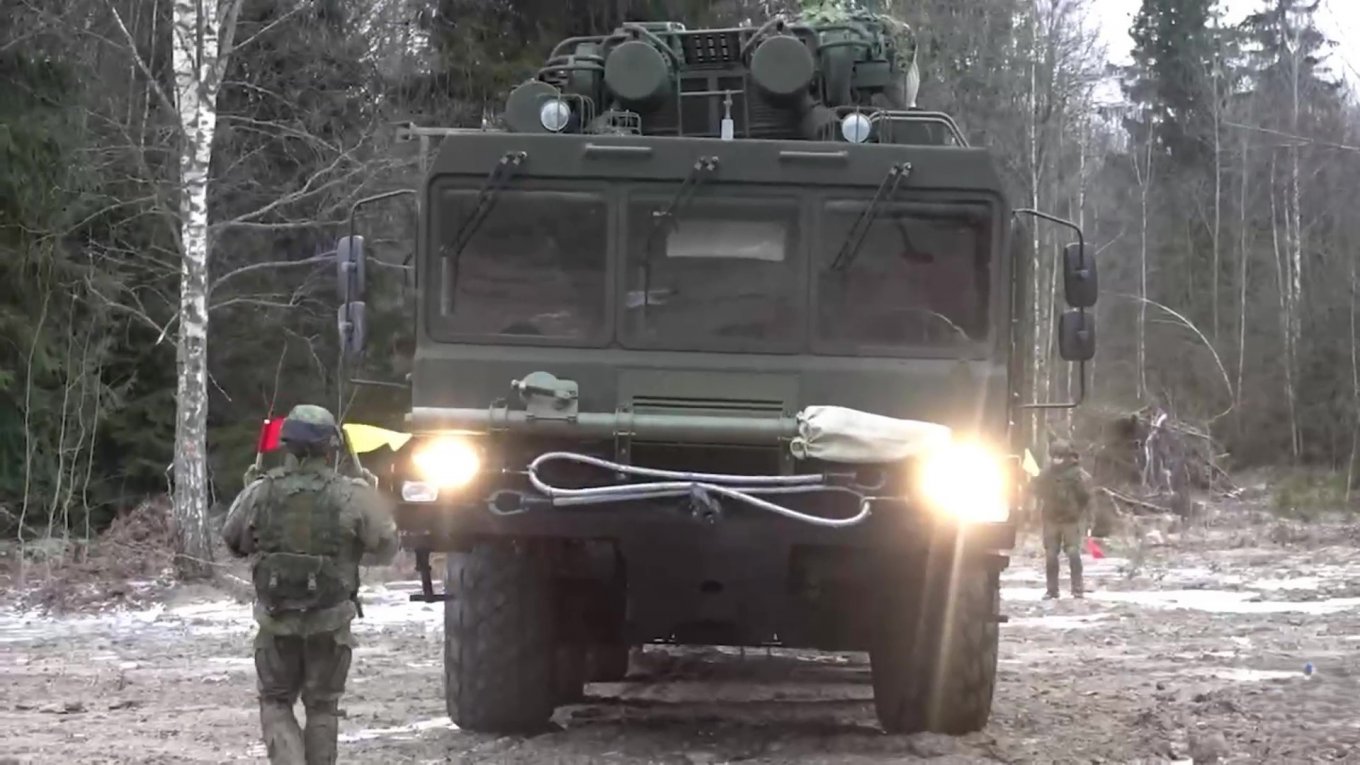
However, this vehicle is also similar to the one used in the Yars system.
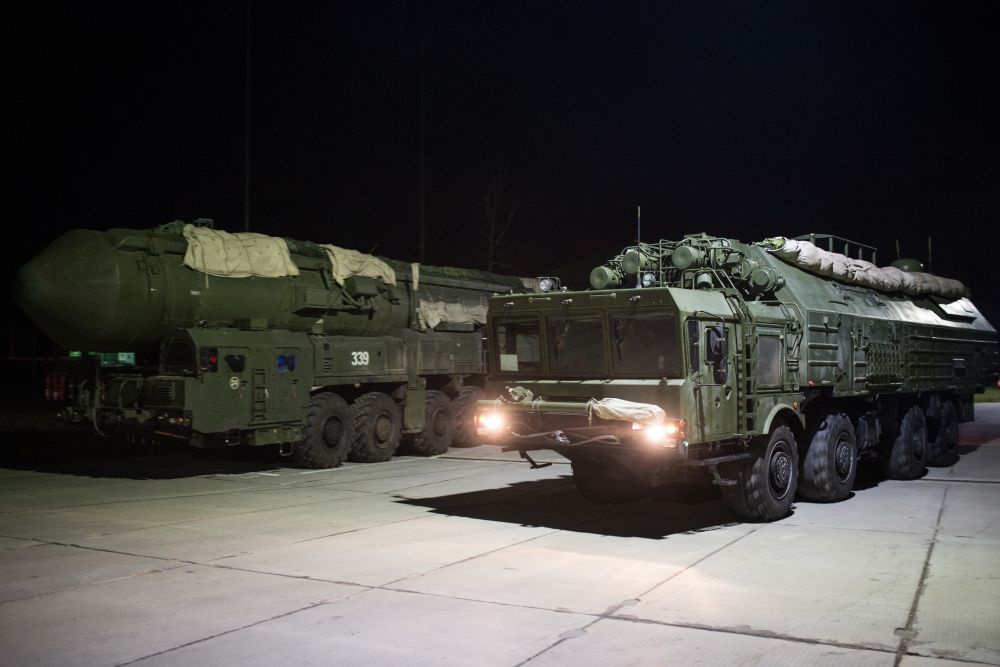
So, only three support vehicles from the entire Oreshnik system have been demonstrated in Belarus so far. One of them is an armored security vehicle, while the other is a combat-duty support vehicle, essentially a mobile dining vehicle.
At the same time, the striking similarity between the Oreshnik support vehicles and those used in the Yars system supports the theory that this medium-range missile was developed on its base, most likely by removing the third stage. The same approach was used in creating the RSD-10 Pioneer, which later evolved into the Topol and, through gradual modernization, became the Yars.