
North Korean dictator Kim Jong-un has announced that multiple launch rocket systems will now become the main striking force of the armed forces and “completely change the composition of the artillery forces.”
The statement was made during a visit to an unnamed defense enterprise, (most likely the March 16 Factory) which produces these systems.

The published photos show unidentified rocket systems, most likely of 600 mm caliber or larger. They differ from the known KN-25 in the number and type of transport-launch containers.
It should be noted that the 600-mm KN-25 system has a declared range of 400 km, with a range of 380 km proven during tests and confirmed by Seoul. At the same time, the rockets appear to be guided and, according to claims, sufficiently accurate.
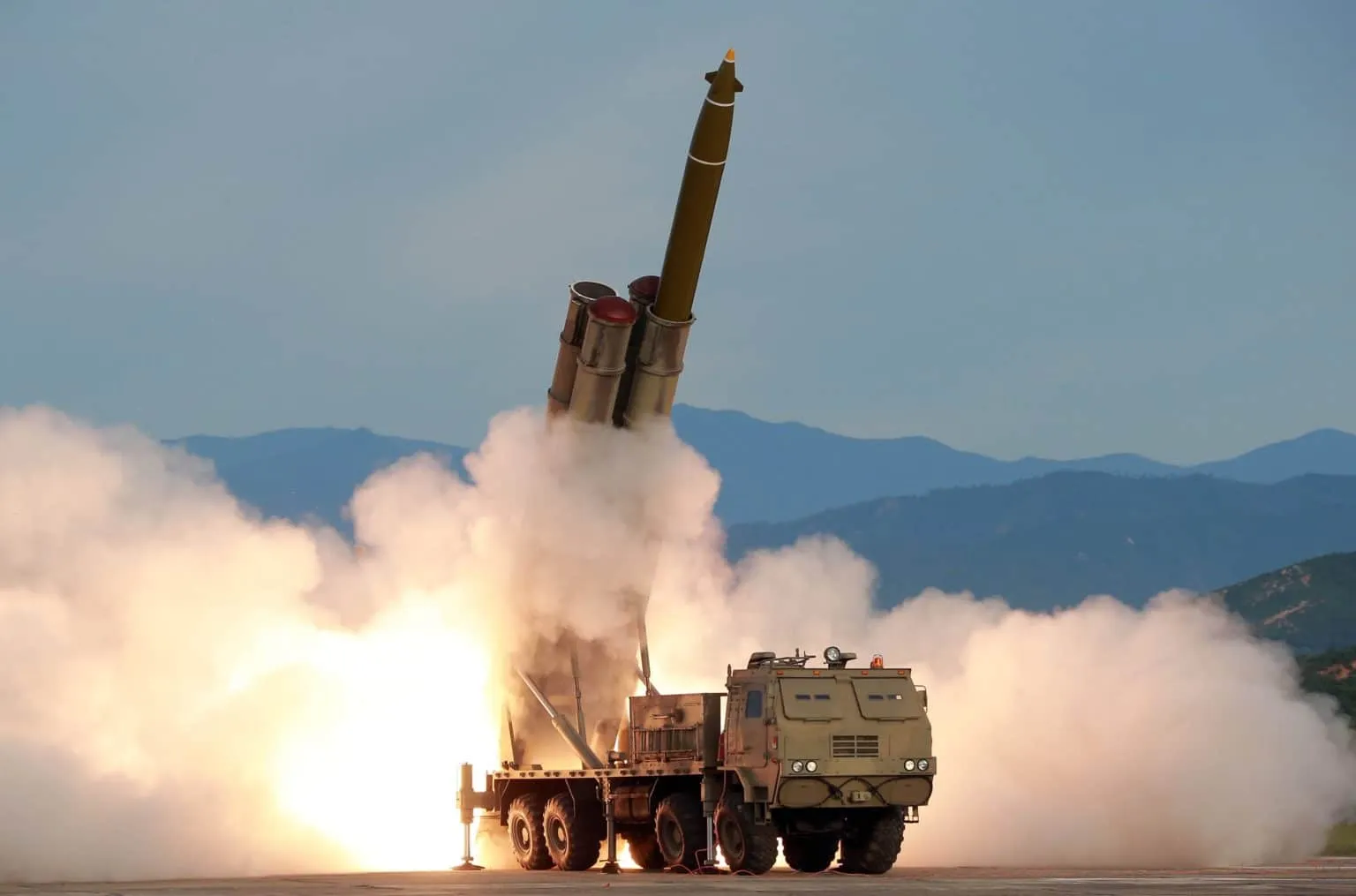 KN-25
KN-25
It is expected that these large-caliber systems will be employed in large numbers for massed attacks. Moreover, the system is intended for use as a strategic attack platform capable of delivering a nuclear warhead. In addition, the modernization of the enterprise’s production facilities was announced.
At the same time, despite being regularly displayed in parades, the status of these large-caliber MLRS has not been defined by Pyongyang. So far, public attention has been on showcasing the firepower of gun artillery, especially the 170-mm self-propelled Koksan guns.
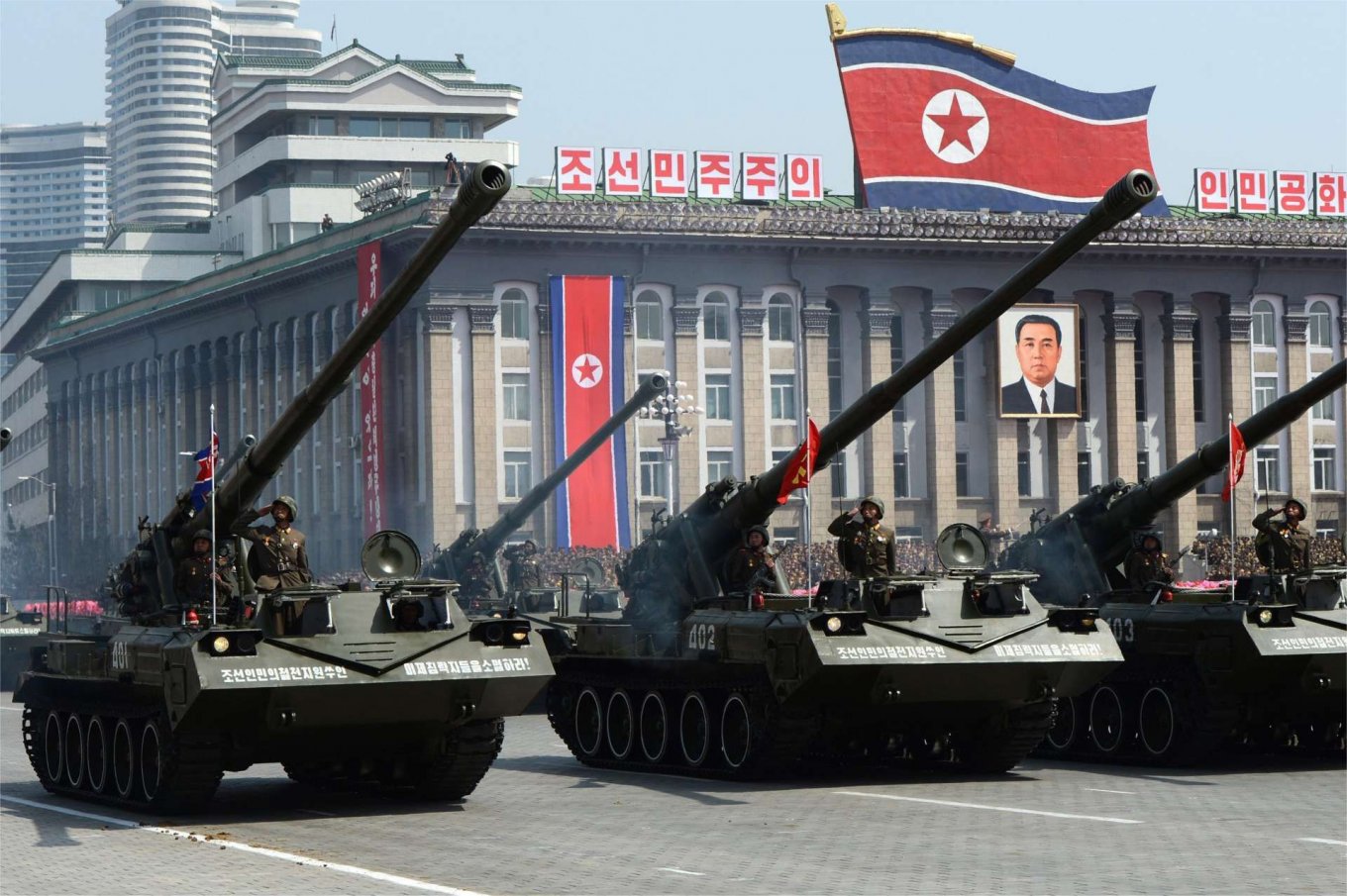 M1989 Koksan artillery systems
However, Koksan systems were actively transferred to the russian rederation, as well as stocks of specific ammunition. In return, russia actively transferred missile and nuclear technologies to North Korea, including technology to miniaturize nuclear warheads. This may previously have indicated Pyongyang’s potential reliance on gun artillery’s nuclear capabilities.
With Koksan systems transferred to russia and opportunities to expand long-range rocket systems thanks to russian assistance, the emphasis now appears to be on nuclear rocket artillery. At the same time, the increase in the number of targets for South Korea’s missile defense may be critical.
Ultimately, the previous discussion focused on the need to counteract weapons such as the KN-23 and KN-24, which belong to the class of tactical missile systems. At the same time, a single salvo from a 600‑mm MLRS would require intercepting five missiles simultaneously, each potentially carrying a nuclear warhead.