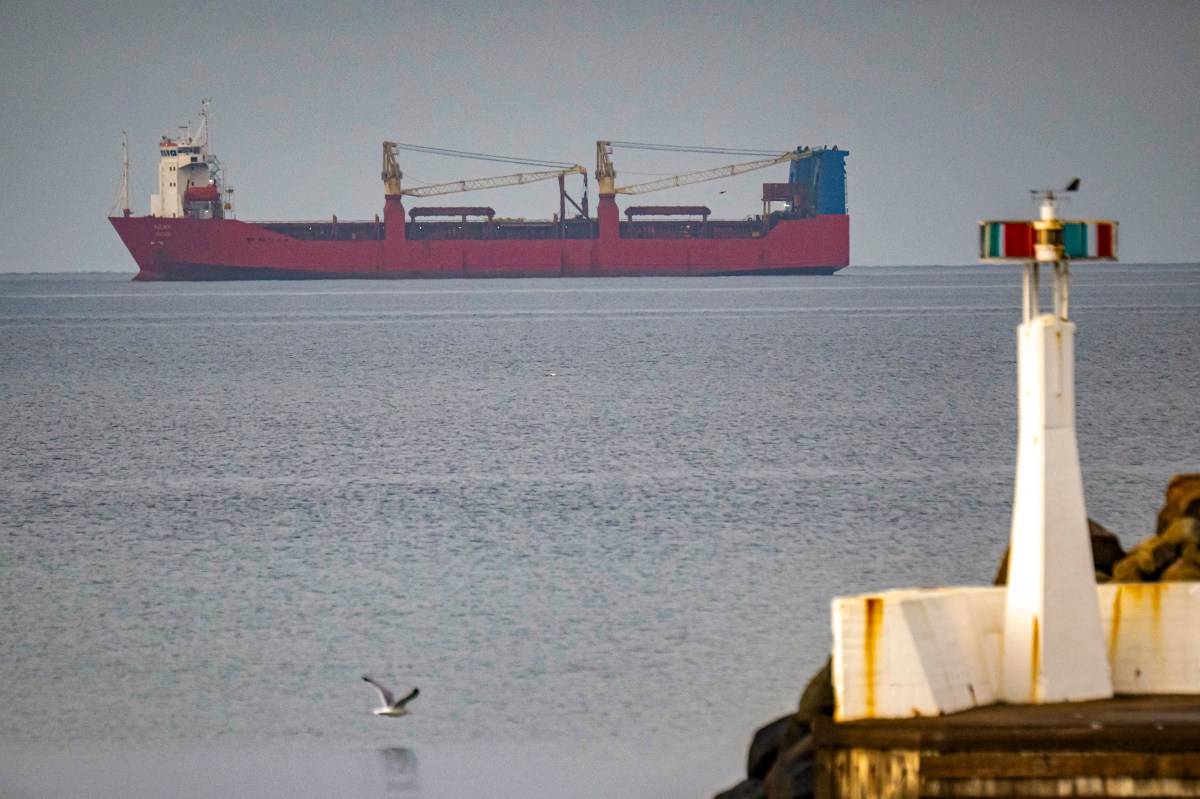
A Russian cargo ship that sank to the bottom of the Mediterranean under unusual circumstances last year is believed to have been carrying parts for a type of naval nuclear reactor, according to a new report.
Spanish newspaper La Verdad has reported that investigators suspect the cargo was bound for North Korea to support its naval modernization efforts.
Newsweek reached out to the Russian Defense Ministry and the North Korean embassy in China via email for comment.
Why It Matters
Ursa Major was known as part of Russia’s so-called “shadow fleet”—vessels believed to be involved in arms and oil smuggling, often in violation of international sanctions.
The United States, South Korea, and several other governments have long suspected Pyongyang of receiving Russian technical expertise in return for munitions and, reportedly, troops for President Vladimir Putin’s war in Ukraine.
What To Know
Spanish maritime authorities responded to Ursa Major’s distress call on December 23, 2024, finding the ship listing about 70 miles south of Cartagena, Spain.
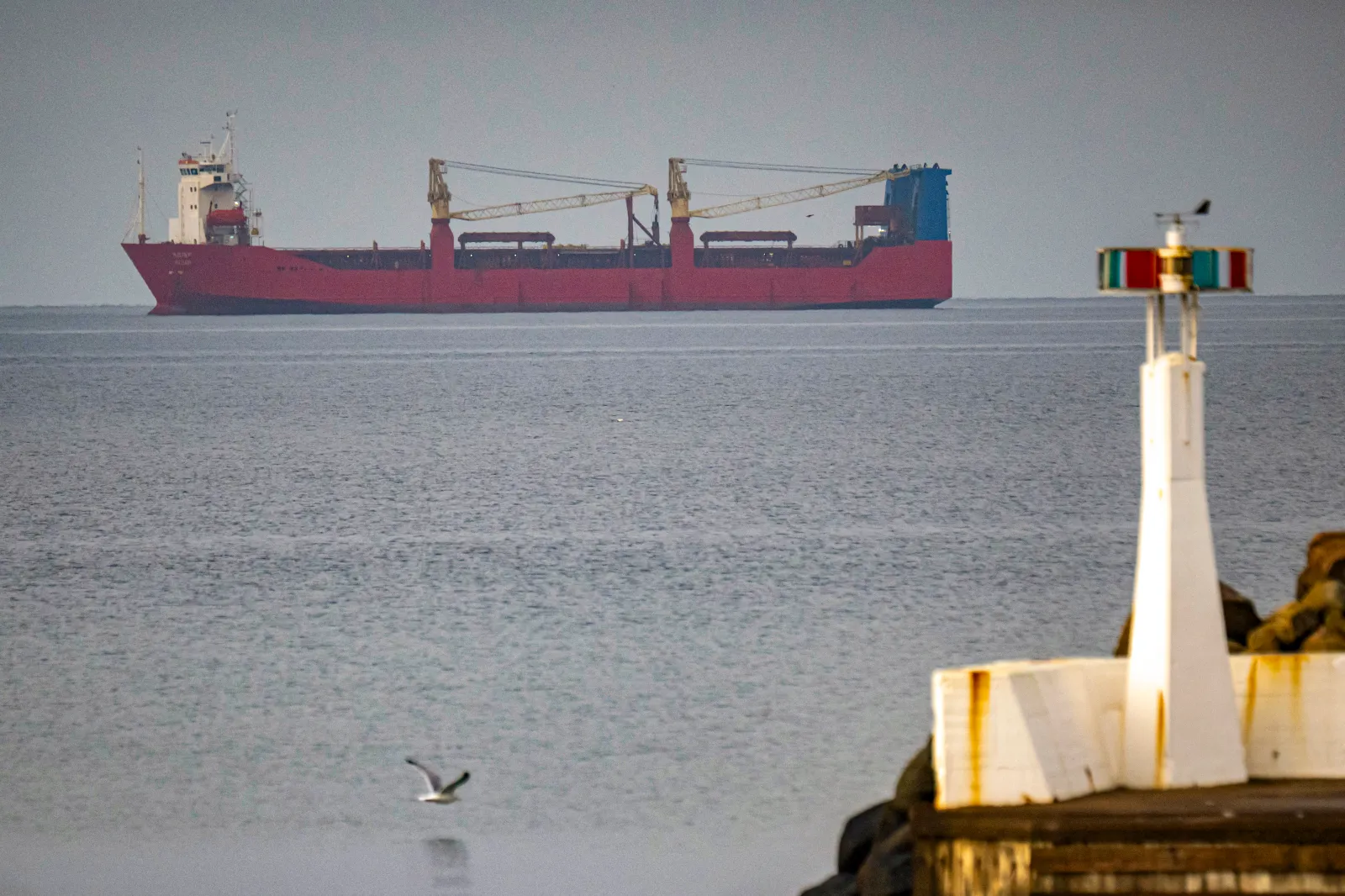
The ship was later determined to have suffered three explosions in the engine room. Oboronlogistika, a Russia-controlled company that operated the ship, attributed this to a “terrorist attack.”
Rescuers evacuated 14 crew members; two others, who had been in the engineering compartment, were missing. The ship sank soon after.
Suspicion arose when the ship’s captain told investigators that the cargo consisted of more than 100 empty containers, parts for a Russian icebreaker, and a pair of massive cranes visible on deck. Also observed by spotting planes were two large, blue-tarped items on the deck, each estimated to weigh around 70 tons.
Based on prior aerial surveillance, it was estimated that each of these two items weighed roughly 70 tons, far heavier than expected for “manhole covers.”
When pressed by investigators, the captain claimed these mystery items were simply “manhole covers.” However, according to reports reviewed by La Verdad, Spanish investigators later said they believed the objects were casings for VM-4SG nuclear submarine reactors, a Soviet-era design still in use aboard half a dozen Russian Delta IV-class ballistic missile submarines.
These reactors feature three-foot-thick steel lids designed to shield crews from ionizing radiation, which would account for their exceptional weight, according to The Maritime Executive. It remains unknown whether any radioactive material or nuclear fuel was aboard, but this was deemed unlikely.
The report notes that Ursa Major was purportedly bound from St. Petersburg to Russia’s eastern port of Vladivostok—a highly circuitous route if only to deliver icebreaker parts and empty containers.
Such a route would make more sense if the ultimate destination were Rason, North Korea, situated just 200 miles from Vladivostok. The cranes may have been included to help offload heavy cargo at underdeveloped North Korean facilities, La Veridad reported.
What People Are Saying
Mark Rutte, head of NATO, said after a December 2024 foreign ministers’ summit: “In return for troops and weapons, Russia is providing North Korea with support for its missile and nuclear programs. These developments could destabilize the Korean Peninsula and even threaten the United States.”
North Korea’s state-run Korean Central News Agency said of Kim Jong Un’s recent visit to the country’s nuclear submarine construction site: “[Kim] stressed the need to steadily and reliably increase defense capability by directing big efforts to the development of naval equipment such as submarines.”
What Happens Next
The extent to which North Korea’s armed forces will benefit from Russian technical expertise remains to be seen. However, Russia’s resurgence as a military power and its growing cooperation with North Korea have raised new concerns about nuclear proliferation and further raised tensions between Pyongyang and U.S.-allied Seoul.