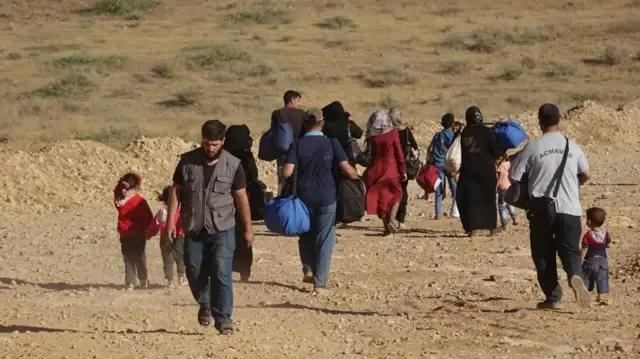
More than 177,000 Syrian refugees voluntarily returned to their home country from Jordan over the past year, according to data from the UN refugee agency (UNHCR). The agency reported that 177,099 individuals made the journey back to Syria between December 8, 2024, and the end of November 2025, marking a significant wave of repatriation following political changes in Damascus.
Demographics and a Slowing Trend of Returns
The UNHCR spokesperson in Jordan, Yousef Taha, provided the figures to Jordanian media. As of November 30, 2025, a total of 444,991 refugees and asylum-seekers remain registered with the agency in Jordan. Syrians constitute the vast majority at 421,511 people, followed by much smaller numbers of Iraqi, Yemeni, Sudanese, and Somali refugees. Taha noted that the rate of returns has decelerated in recent months due to harsh winter weather, the start of the school year, and significant challenges inside Syria, including housing shortages, limited job opportunities, and lingering security concerns in some areas. Consequently, the total number of returnees for the full year is not expected to exceed 200,000.
UNHCR’s Funding Shortfall and Future Priorities
The agency faces a substantial financial gap in supporting its operations. Taha stated that UNHCR has received only $115 million, or 31% of its required funding, leaving a $258 million shortfall. For the coming year, the agency’s dual priorities will be ensuring continuity of essential assistance for refugees who choose to remain in Jordan while also supporting those who plan to return to Syria. UNHCR has estimated its funding needs for 2026 at $280 million to maintain these critical services.
Context of a Changing Syria
This movement of people follows the political transition in Syria that began in late 2024, when longtime leader Bashar al-Assad fled the country. A transitional administration under President Ahmad Al-Sharaa was subsequently formed. The UNHCR has previously projected that up to 1 million Syrian refugees could return home in 2026, anticipating a period of gradual recovery. The situation is monitored closely by other refugee-hosting nations in the region, including Türkiye, which hosts the world’s largest refugee population and is engaged in its own discussions about safe, voluntary returns.