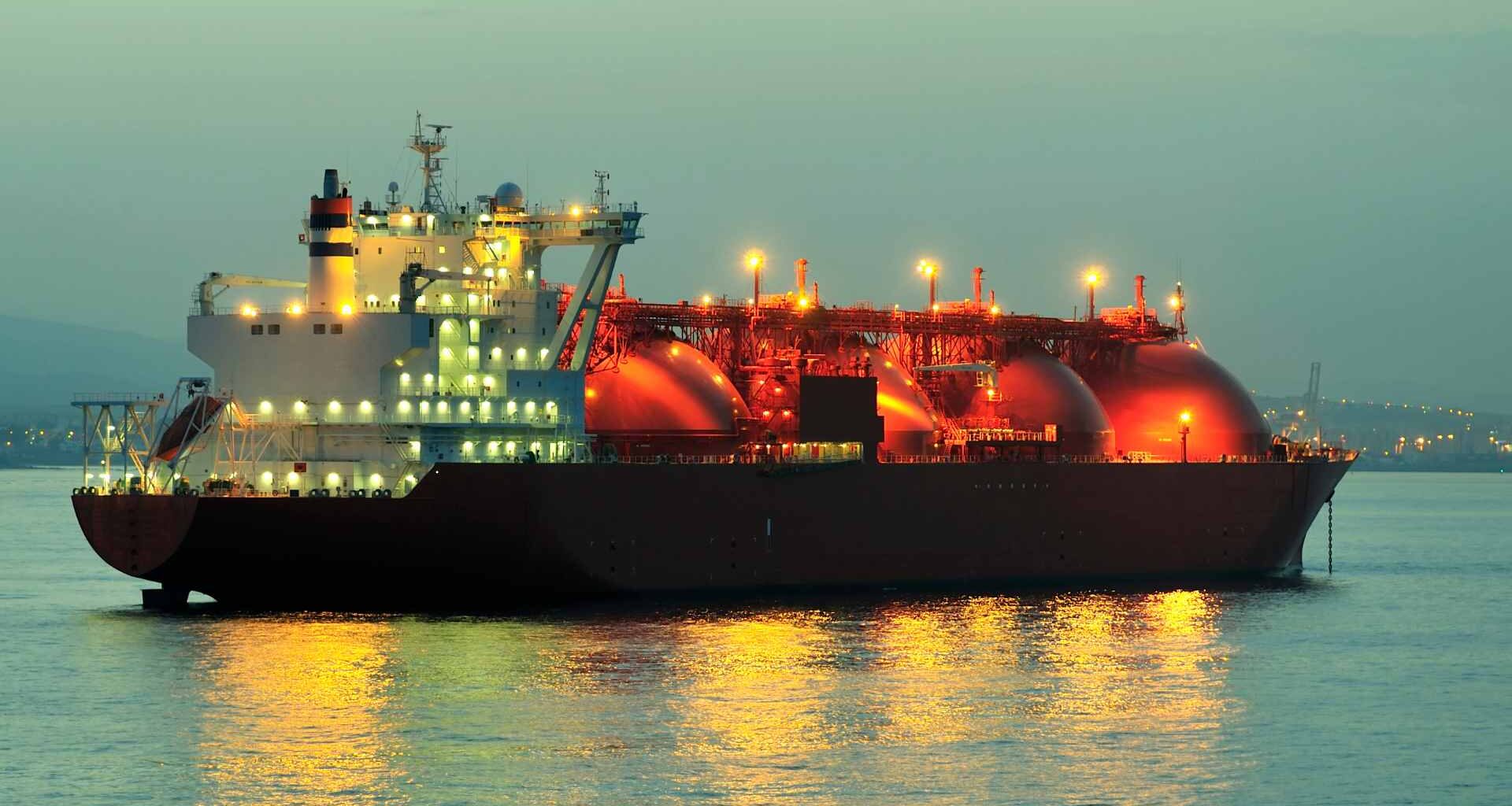
U.S. LNG exports have surged through 2025, with Latin America and the Caribbean emerging as major beneficiaries. Annual export data show shipments to the region climbed roughly 40% in 2024, led by Brazil at more than 110 billion cubic feet, while the Dominican Republic ranked among the top island importers. That momentum has carried into 2025, as utilities, power producers and governments increasingly rely on U.S. gas to stabilize grids, replace expensive fuel oil and support renewable integration. For Caribbean and Latin American markets – many grappling with high power costs and aging infrastructure – this flexible U.S. supply is reshaping investment timelines and opening new project opportunities.
At the same time, the U.S. surpassed the 10-million-ton mark in monthly LNG exports in late 2025 – a milestone reshaping energy planning across the Atlantic Basin. Much of the incremental supply is flowing into Caribbean and South American import terminals, where new regasification facilities, floating storage units, and gas-to-power plants are moving from proposal to bankable project pipelines. This shift is accelerating decision-making among utilities and independent power producers and highlighting where private capital can deploy effectively.
Concrete investment activity is confirming the trend. New Fortress Energy – a U.S.-based integrated LNG infrastructure developer – has executed a three-year charter agreement for the Energos Freeze floating storage and regasification unit (FSRU) in the Dominican Republic, scheduled to begin operations in September 2025. This FSRU will provide crucial regasification services to support power generation and industrial demand, demonstrating the near-term utility of floating solutions where onshore facilities are limited.
Meanwhile, in Puerto Rico, New Fortress has reached a landmark long-term gas supply agreement with government authorities that would deliver up to 75 trillion BTU annually of LNG for seven years under contract terms currently under review by regulators. That volume can supply multiple power plants and accelerate plans to reduce dependency on heavier fuels, providing cleaner, more affordable energy for the island’s grid.
These developments demonstrate how import infrastructure – whether floating, modular or land-based – is unlocking private capital interest by creating anchor demand for gas volumes that otherwise would not materialize. For investors and developers, knowing where capacity is being contracted and where offtake certainty is improving is critical to underwriting projects.
Future infrastructure opportunities stretch beyond regasification capacity alone. As U.S. LNG exports sustain elevated levels, there is room for new storage hubs, pipeline extensions and gas-to-power facilities that can capitalize on contracted supply. Global LNG trade patterns suggest that diversified sources of supply provide resilience in volatile markets, and recent export growth trends point to sustained demand in the Western Hemisphere. For example, in February 2025 U.S. LNG deliveries to the region more than doubled compared with the previous month and included cargoes to Brazil, the Dominican Republic, Panama and Colombia, illustrating dynamic short-term flows that can be optimized by flexible infrastructure deployment.
This context will be a key thread at CEW 2026, where sessions focused on gas monetization, LNG hubs and midstream investment provide a forum for U.S. capital – including sponsors, infrastructure funds and energy transition investors – to engage directly with regional governments and Caribbean enterprises. Government delegations from across the Caribbean, alongside U.S. project financiers and LNG developers, will examine where partnerships can move most quickly from MoUs to final investment decisions. CEW’s agenda is designed to help stakeholders assess project bankability, understand regulatory environments and identify risk mitigation mechanisms that can catalyze funding for gas infrastructure.
With LNG export volumes rising, import capacity expanding and long-term offtake deals taking shape, the Caribbean and its neighbors are entering a new phase of energy infrastructure development. Aligning capital, policy and project pipelines at forums like CEW will be critical to turning these trends into investible opportunities that deliver both economic growth and energy security across the region.
Join us in shaping the future of Caribbean energy. To participate in this landmark event, please contact sales@energycapitalpower.com.