Published on
December 31, 2025

European tourism is experiencing meaningful gains in 2025 due to the rapid expansion of low‑cost airlines that are democratizing air travel and linking millions of travellers with iconic cities, scenic regions and cultural hotspots. Affordable flight options have made short‑breaks and long vacations accessible to wider demographics, supporting local economies and tourism infrastructures in destinations that span from the Mediterranean to the Nordic states. Official aviation and tourism data show intra‑European travel demand growing as carriers enhance route networks and lower average fares, encouraging more frequent visits and extended stays across diverse regions. The result is a more inclusive travel landscape that amplifies Europe’s appeal to tourists at every budget level.

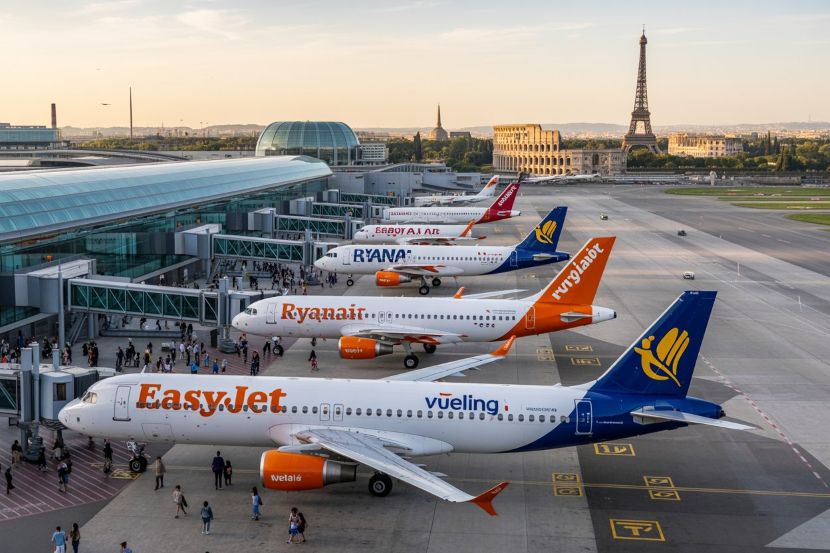
Europe’s low‑cost carriers now account for more than a quarter of all airline passengers flying within the region, and that presence has strong implications for the continent’s tourism sector. Data compiled for 2025 reveals more than 390 million passengers flying on budget airlines across 32 countries. Ryanair and easyJet together hold nearly 44 per cent of the European low‑cost carrier market, with Spain, Italy and the United Kingdom each reporting over 60 million passengers on such services. Intra‑Schengen travel comprises more than 80 per cent of these routes, highlighting the role of affordable air links in boosting European city breaks and regional trips.
Low‑cost airlines reduce traditional barriers to travel by offering significantly lower base fares compared with full‑service airlines, often saving passengers more than ten per cent on average ticket prices. This cost saving matters to travellers deciding between destinations and trip lengths. By enabling lower travel costs, budget carriers effectively increase the number of tourism experiences that visitors can afford, whether for cultural exploration, leisure activities or family holidays. The growth in route offerings also helps secondary and emerging destinations gain visibility among international tourists.
Among Europe’s standout performers in 2025, Eurowings, Vueling Airlines, Volotea, Transavia France, Iberia Express and easyJet are consistently ranked among the top low‑cost carriers. Eurowings leads Europe’s low‑cost sector, followed by Vueling Airlines and others that together create a dense network of point‑to‑point services connecting major cities and lesser‑served locales. These airlines serve as vital conduits for travel between urban hubs and regional tourism sites, enhancing visitor access to heritage centres, coastlines and cultural experiences.
Volotea, a Spanish budget carrier with a focus on Mediterranean and Western European destinations, exemplifies how niche network strategies can stimulate tourism in regional markets. With service to nearly 80 destinations, Volotea connects tourists to leisure hotspots that larger carriers sometimes overlook, reinforcing visitor distribution beyond traditional capitals. These direct links have positive knock‑on effects on accommodation, dining and local recreation sectors in smaller cities and coastal towns.
UK‑based easyJet also continues to support tourism by expanding its presence in key markets. In 2025, easyJet increased its flights at major hubs like Rome’s Fiumicino Airport, adding new routes that link Italy more closely with Northern and Central European cities. Such expansions not only lower travel costs for visitors but also contribute to tourism‑related employment and spending in host regions. This trend reflects a broader recognition among aviation stakeholders that robust connectivity supports sustainable tourism growth, benefiting both airports and destination economies.
The integration of budget air travel into Europe’s tourism ecosystem resonates with trends in overall visitor movements. Government tourism reports indicate that international arrivals to Europe climbed moderately in early 2025, building on the sector’s recovery from previous years and narrowing the gap with pre‑pandemic figures. Government and industry observers point to strengthened connectivity, including budget flight links, as a key factor in this upward trajectory of visitor demand. These trends are particularly pronounced in destinations that offer diversified experiences—from cultural heritage sites to outdoor and nature tourism—where increased arrivals support broader tourism value chains.
Beyond the traditional tourism hotspots, emerging destinations such as Lithuania, Malta, Latvia and Finland have recorded notable visitor growth, supported by improved air access. Budget flights make these smaller markets more reachable for spontaneous weekend travellers and international tourists seeking alternatives to crowded urban centres. The efficient and extensive network of low‑cost carriers plays a pivotal role in balancing tourism flows across regions and spreading economic benefits to a wider set of destinations.
Affordable air travel also encourages repeat visits and longer stays. When tourists can book cost‑effective flights, they tend to travel more often and explore additional destinations within the same journey. This behaviour raises overall tourism spending and supports the hospitality sector, tour operators and local businesses that benefit from sustained visitor flows. In turn, destinations invest further in visitor services, attractions and infrastructure, creating a reinforcing cycle of tourism development.
As Europe continues to prioritise tourism growth amid evolving travel preferences, budget airlines remain indispensable to the region’s tourism strategy. By connecting travellers to an expanding array of destinations at lower cost, low‑cost carriers are helping Europe maintain its position as one of the world’s most visited travel regions in 2025. Their role in boosting tourist arrivals, distributing visitors more evenly across markets and stimulating regional economic activity underscores the broader contribution of affordable air travel to the continent’s dynamic tourism landscape.