Updated 8:44 p.m.
A plan to help local communities pay their share of the long-sought Arkansas River Valley conduit passed Congress with strong bipartisan support, but has still come up one vital signature short of becoming a reality.
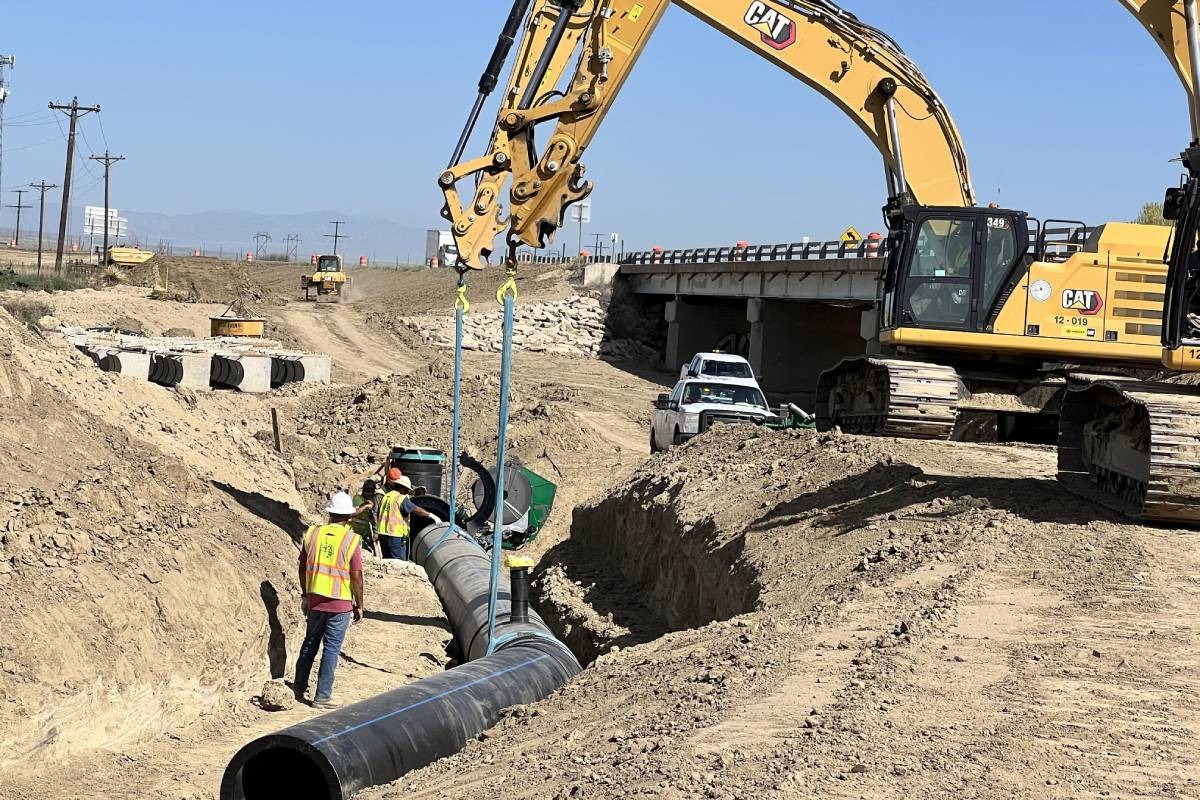
President Donald Trump on Tuesday vetoed the “Finish the Arkansas Valley Conduit Act” despite its sponsorship by fellow Republicans and the significant benefits it would provide to southeastern Colorado, where his support runs deep. The conduit, which broke ground in 2023, will provide clean water for farming, factories and households. The bill would have given local communities 100 years to pay back no-interest federal loans for their share of the project.
“Enough is enough,” Trump said in a veto message to Congress. “My administration is committed to preventing American taxpayers from funding expensive and unreliable policies. Ending the massive cost of taxpayer handouts and restoring fiscal sanity is vital to economic growth and the fiscal health of the nation.”
That’s not how everyone sees it.
The Congressional Budget Office estimated the bill would cost the federal government less than a half million dollars. The U.S. Bureau of Reclamation calls the conduit a “major infrastructure project that, upon completion, will provide reliable municipal and industrial water to 39 communities in southeast Colorado.”
The project would also provide badly needed jobs for the area.
“This isn’t a frivolous project,” Southeastern Colorado Water Conservancy District Senior Policy and Issues Manager Chris Woodka said. “It’s a project that meets federally mandated standards for water quality to ensure that 50,000 people are drinking clean, not carcinogenic, water.”
Woodka said the water district is working with the congressional delegation to figure out next steps, and won’t give up on the project.
The bill passed via voice vote in the House and unanimous consent in the Senate. That huge Congressional support for the project would seem to make the veto ripe for an override, but that would require testing the will of Republican leaders in both chambers to allow a vote and take on their party’s leader. Such a challenge to Trump is no sure thing.
Legislation authorizing and funding completion of the project is perhaps the most impactful bill sponsored by Republican Rep. Lauren Boebert during her time in Congress. And while she didn’t raise the specter of a veto override in a statement Wednesday night, she nonetheless was not shy about expressing her displeasure with the president.
“President Trump decided to veto a completely non-controversial, bipartisan bill that passed both the House and Senate unanimously,” Boebert said. “If this administration wants to make its legacy blocking projects that deliver water to rural Americans; that’s on them.”
Boebert also questioned the president’s motives for the veto, suggesting it might be retribution because she helped ensure a vote on releasing the Epstein files.
“I sincerely hope this veto has nothing to do with political retaliation for calling out corruption and demanding accountability. Americans deserve leadership that puts people over politics.”
GOP Rep. Jeff Hurd was a co-sponsor of the House version of the bill, while Sens. Michael Bennet and John Hickenlooper introduced it in the Senate.
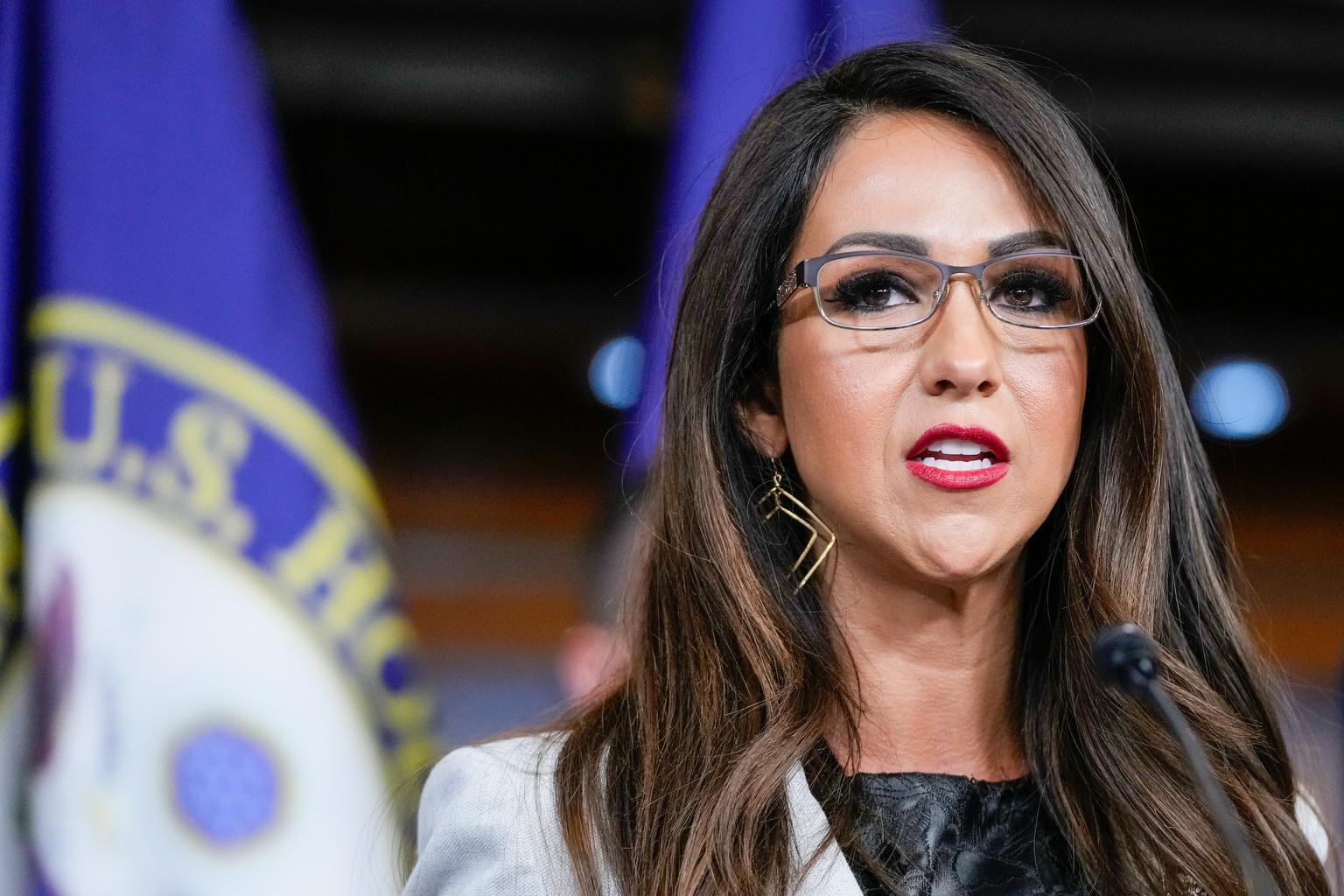
(AP Photo/Patrick Semansky, File)FILE – U.S. Rep. Lauren Boebert, R-Colo., speaks during a news conference on Capitol Hill, July 14, 2023, in Washington.
Democrats in Colorado’s delegation were also quick to label the veto an act of reprisal, with Bennet posting on X, “This isn’t governing. It’s a revenge tour.”
Hickenlooper added on X that, “Congress should swiftly overturn this veto.”
The project has been on the drawing board since the 1960s. It was designed to eventually stop groundwater withdrawals in the area, which can produce water tainted with radioactivity.
The 130-mile conduit would bring water from Pueblo Reservoir to Bent, Kiowa, Crowley, Otero, Prowers and Pueblo counties. The original legislation required the state and communities to fund 100 percent of the cost, but President Barack Obama and Congress opened the door to federal funding in 2009.
“The vetoed legislation did not authorize new construction spending or expand the federal government’s original commitment,” Rep. Hurd said in his statement about the veto. “More than $200 million has already been invested, alongside significant state and local contributions. Further delay risks stranding taxpayer dollars and leaving communities without a viable path to meeting drinking water standards.”
Groundbreaking on part of the project actually took place in 2023, but it was always known that federal funding would be needed to complete the entire conduit.
CPR’s Caitlyn Kim and KRCC’s Shanna Lewis contributed to this story.
This story is part of a collection tracking the impacts of President Donald Trump’s second administration on the lives of everyday Coloradans. Since taking office, Trump has overhauled nearly every aspect of the federal government; journalists from CPR News, KRCC and Denverite are staying on top of what that means for you. Read more here.