Seb NobleCornwall political reporter

 BBC
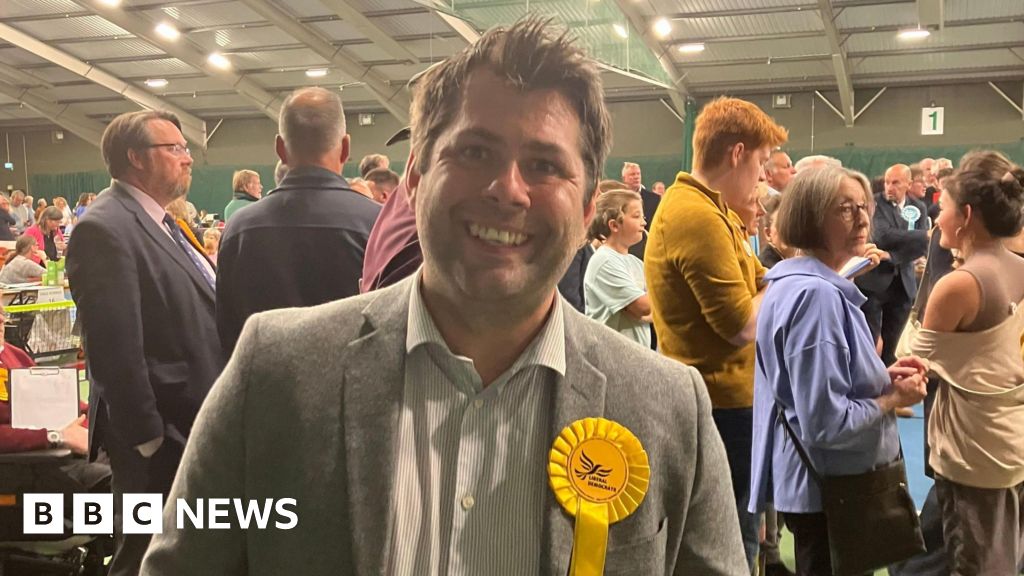
BBCIt was a good year for the Liberal Democrats – with Leigh Frost’s party taking over running Cornwall Council
There is an old Cornish new year’s tradition which involves sweeping clean outside your front doorstep and then creating a line made from sand.
Sanding the Step is designed to bring good luck for the coming 12 months – depending on who is first to cross through the line on 1 January.
It has been a year when some politicians in Cornwall were keen to draw their own lines in the sand – whether in the battle for control at Lys Kernow – or on the contentious matter of devolution.
After the second dramatic election result in as many years though, the shifting nature of the political sands in Cornwall seem as durable as those same grains being breached on New Year’s Day.
After their wipeout at the previous general election, the Conservatives’ grip on control at Cornwall Council also collapsed.
They were reduced to just seven seats with no one party winning an outright majority at the local elections.
Reform UK, standing for the first time, claimed the most seats but other groups either could not agree, or refused to work with them.
Ultimately, a joint Liberal Democrat-Independent coalition took charge instead.
New leader Leigh Frost then immediately drew his own line underneath two contentious policies he inherited – ditching the privatisation of some council car parks and Newquay Airport.
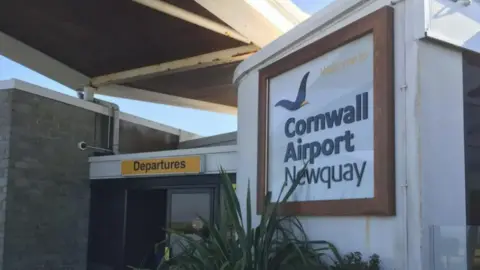
The new council administration acted quickly to scrap privatising the Newquay Airport estate.
Another line in the sand this year was Cornwall’s opposition to any kind of joint-devolution deal with neighbouring Devon under a directly elected mayor.
Instead, the new administration declared its ambition to be recognised as the UK’s official fifth nation – something the government has yet to embrace.
The council celebrated Labour’s commitment to work with it on a bespoke devolution agreement, however it remains to be seen what shape this will take.
Questions will also be asked by business if this excludes Cornwall from the same powers and money other areas receive – amid fears about a trend of being overlooked.
A £30m Kernow Industrial Growth Fund – one of the few surprises in November’s Budget – did at least erase fears of the loss of economic development funding for Cornwall though.
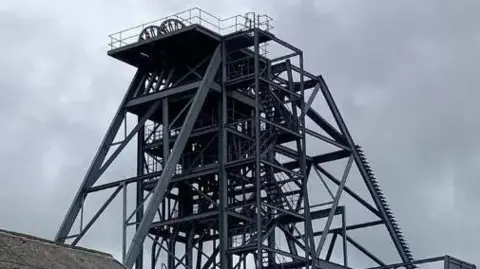
Work continued this year on the plans to re-open South Crofty Tin Mine to help the production of critical minerals.
The Government also launched its new Critical Minerals Strategy in Cornwall – with projects including the re-opening of South Crofty Tin Mine.
For Cornwall’s Labour MPs, sitting on slender majorities, they must hope the economic benefits of such investment will eventually be felt by voters.
More immediately, however, the council was left disappointed by the outcome of the long-awaited fair funding review for local government.
That has contributed to it having to plug a £50m hole in its budget for the coming financial year – including another rise in council tax bills in 2026.
It increases the squeeze on finances being felt by both Cornish residents and hospitality businesses.
Will they have any better fortune next year? Time to start sanding that step again?