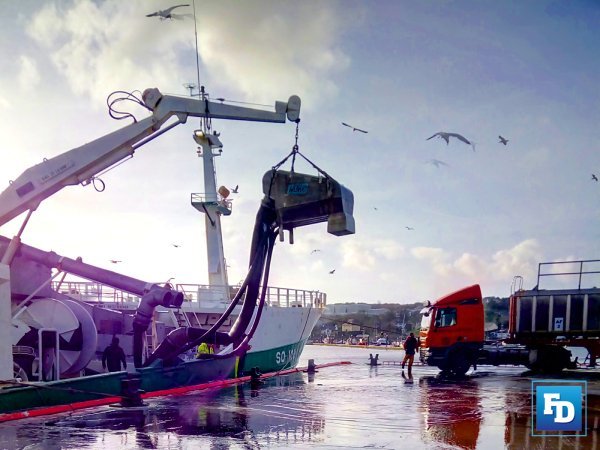
In a further warning to the fishing industry, the Department said that 100% catch allocations for horse mackerel, North West herring ringfenced and boarfish will be delayed due to the scale of adjustments required at national level.
It said it cannot guarantee that these allocations will be completed before 1 March 2026, extending uncertainty well into the first quarter of the year.
This comes against the backdrop of what industry representatives have already described as the most severe quota year Ireland has ever faced, following major cuts to pelagic stocks and the blocking of the Hague Preferences at EU level.
Mackerel Management Talks Postponed
The Department also confirmed that a meeting planned with QMAC members in the first week of January, scheduled for 6 January, will be postponed.
The meeting was intended to address mackerel management arrangements for 2026, but will now be delayed in order to deal with the operational fallout from the year-end fishing decision and what the Department described as “potential additional interventions required”.
As a result, the opening of the 2026 mackerel fishery is also expected to be delayed.
Other Industry Requests Pushed Aside
Several other industry requests will also be displaced while the Department manages what it described as a high level of manual interventions required by the decision.
These include a request for new crab effort management arrangements and a proposal for pelagic by-catch excluder trials, both of which will not be examined in the short term.
The Department said it cannot accommodate consideration of these issues while addressing the consequences of the year-end pelagic fishing request.
Enforcement Warning Issued
The Department issued a clear warning on compliance, stating that landings from any closed fisheries, including mackerel, in excess of permitted by-catch levels will be regarded as unauthorised.
Such landings will be quota balanced accordingly, with fishermen advised that a multiplier of two will apply.
The announcement is likely to heighten frustration across the fishing sector, which is already facing deep quota cuts, delayed openings and growing concern over the cumulative impact of administrative decisions on operational certainty for 2026.