 Ritratt: info@newsbook.com.mt
Tista’ taqra bil-
Malti.
As the country embarks on a new year, it is time that Malta has a resolution on issues nationwide that goes beyond individual pledges and political rhetoric.
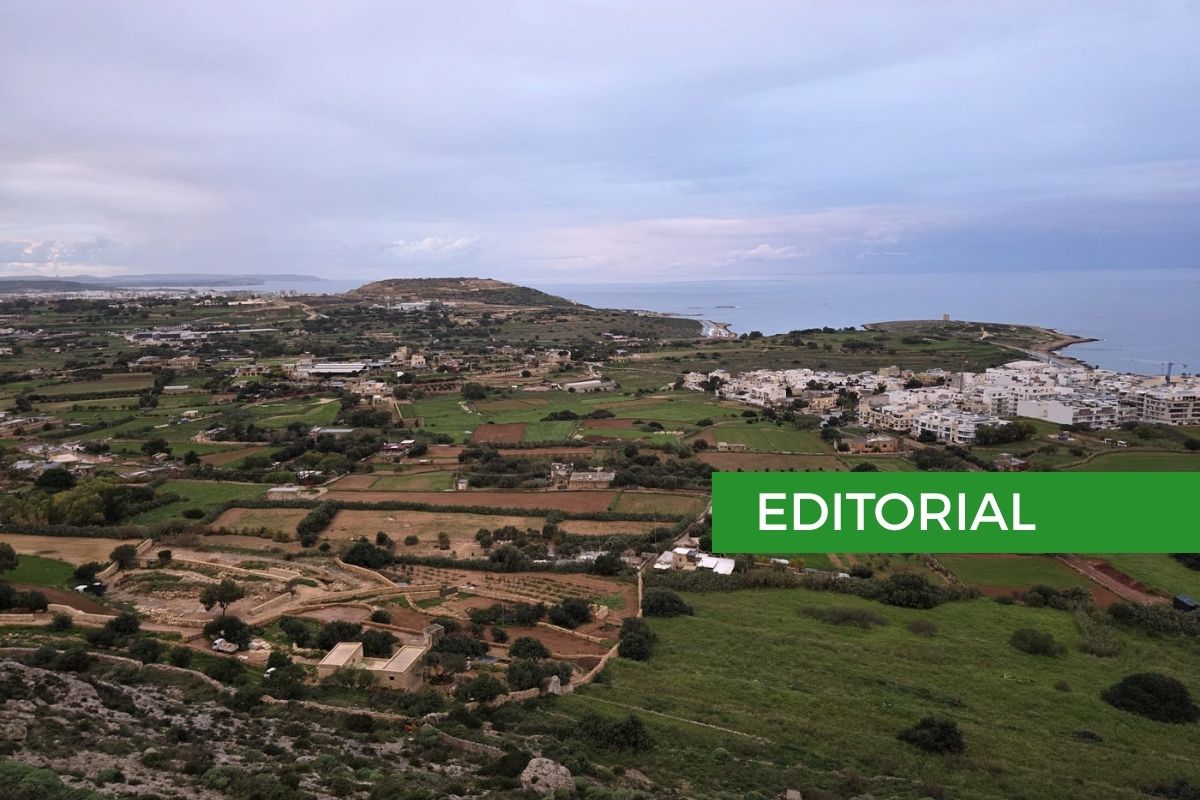
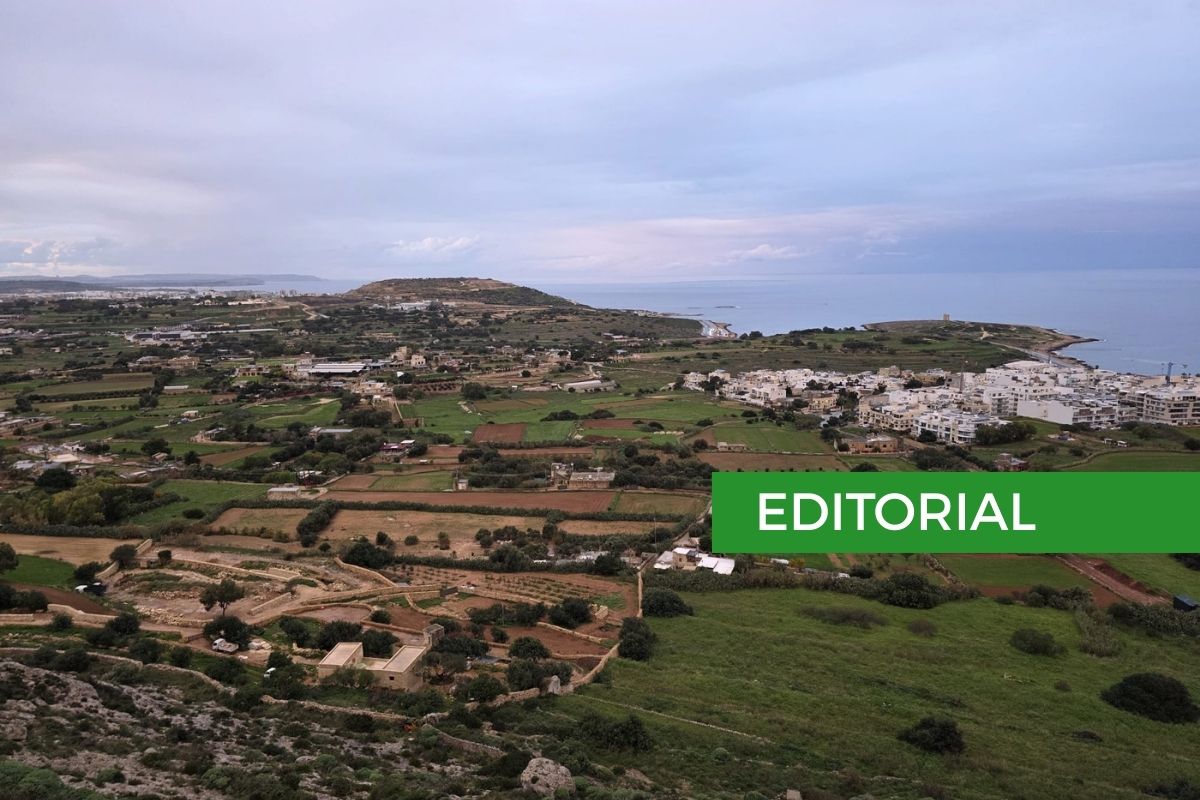
To ensure that the future of the country remains intact, 2026 should become the turning point in the process of environmental erosion reversal and the overdevelopment that is actively strangling the island.
It is no longer about preference or nostalgia. It concerns the quality of life, the health of the people, and the sustainability of the nations with limited territories and vulnerable ecosystems.
The red flags are very much all around us: congested streets with very heavy traffic, disappearing green areas, air that continues to get progressively poorer, and communities which are being hogged by incessant development.
This echoes the late Pope Francis’s stark description when he spoke of the “disproportionate and unruly growth of many cities, which have become unhealthy to live in, not only because of pollution caused by toxic emissions but also as a result of urban chaos, poor transportation, and visual pollution and noise.”
Development has been sought as an undisputed good for years. Policies and choices have been made too frequently with the objective of maximum density and short-term economic considerations without taking into account the cumulative effect.
The consequence is a topography of cranes characterising our skylines, of the mature trees being cut down with such disturbing lack of care, and whole localities straining under the traffic, noise, and pollution.
Sustainable destruction of the environment in Malta is not a hypothesis. It is experienced in hotter summers due to the loss of trees and open areas, in flash flooding due to overbuilt surfaces that cannot absorb the rain, and in the gradual loss of biodiversity, which is already constrained by geography.
The ability of the environment has been pushed to the brink.
Pope Leo XIV said: “The work of creation is seriously threatened because of the irresponsible use and abuse of the goods God has endowed to our care”.
Malta is no exception to this. The unpleasant fact is that Malta has been consuming more than it can afford in terms of the environment. The application of the same has been uneven, long-term thinking has been frequently subdued by the presence of immediate demands, and strategic planning has been poor.
This has resulted in a vicious cycle where more development leads to more people and cars, which subsequently leads to the need to create more construction, as the liveability continues to decline.
To stop this cycle, there must be a definite shift in direction. To begin with, Malta will require a different attitude towards planning. Development is not supposed to be automatic. It is necessary to change it to a more important question of whether it can be built or whether it should be built.
The response to this has to be more often no, in already densely populated regions, to get the communities breathing once more, height, density and scale must be limited.
Second, there should be a practical priority of environmental protection and not rhetoric. Green spaces are not luxuries, but they are highly important infrastructures in a warming climate. Preservation of trees, increasing urban green areas and restoration of the degraded land areas should be a national priority.
Third, the rules should have consistency in their enforcement and credibility. Selective application of planning laws favours abuse and greed and discourages the trust of the people.
Laws to safeguard the environment have to be enforced despite the identity of those who violate them.
Last but not least, Malta should redefine sustainable prosperity. Never-ending buildings are not a sustainable economic process for a small island. The only real strength that can sustain Malta in the future is quality development, innovation, skills, and preservation of what has been left of Malta’s natural and urban heritage.
Honesty is a time of the beginning of the year. Malta may pursue a course of excessive development and environmental degradation, or it may prefer moderation, caution and long-term accountability. The harm has already been done, and the price of inaction is increasing.
This year must be the year when Malta resolved that enough is enough – and did it before the erosion was permanent.
The team at Newsbook Malta and RTK103 wishes its readers and listeners the very best for the New Year filled with good health and peace!

