Published on
January 1, 2026
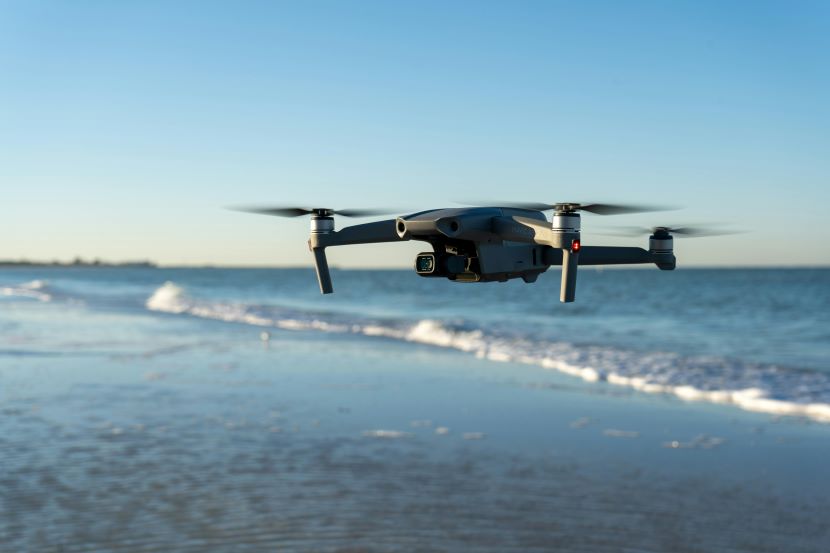
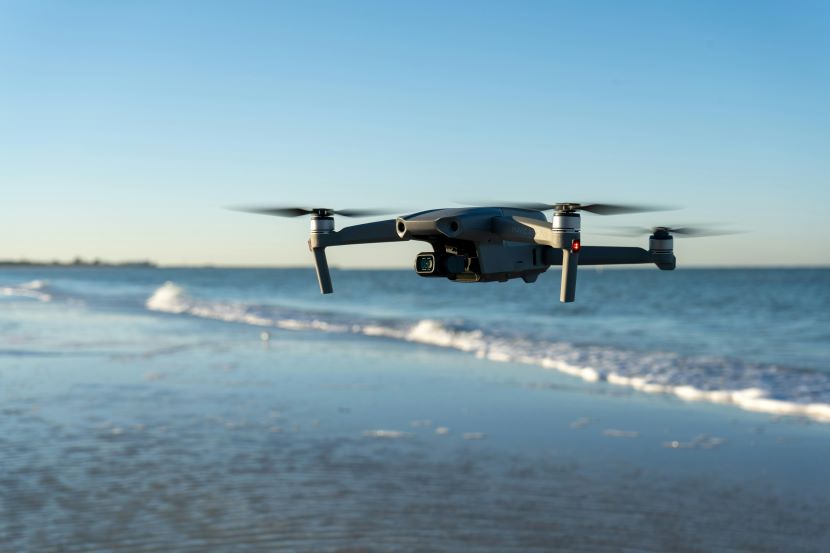
The strategic importance of maritime security has been elevated within the Japanese administration, leading to a significant shift in how territorial integrity is maintained across vast oceanic reaches. It has been observed that the traditional methods of patrolling are being supplemented by the introduction of highly sophisticated unmanned aerial vehicles. These drones are being deployed to ensure that constant surveillance is maintained over far-flung regions, where human presence is often difficult to sustain. By integrating artificial intelligence into these systems, the Japanese Coast Guard is empowered to identify potential threats or unauthorized vessels with a level of precision that was previously unattainable. This transition toward automated vigilance is viewed as a necessary evolution in response to the changing geopolitical landscape of the Indo-Pacific region.
The Deployment of Advanced Surveillance Technology
The initiative involves the utilization of large-scale drones equipped with high-definition cameras and infrared sensors. These technological assets are managed from ground-based control centers, allowing for long-range missions that extend deep into the Exclusive Economic Zone. It is noted that the endurance of these unmanned aircraft far exceeds that of conventional piloted planes, enabling persistent observation of the sea lanes. The data collected by these units is processed in real-time, ensuring that any irregularities are flagged for immediate review by maritime authorities. Through this systematic approach, the safety of Japanese waters is bolstered against illegal fishing, smuggling, and unauthorized entries.
Strengthening Oversight of Remote Island Chains
Particular attention is being directed toward the monitoring of remote islands, which serve as critical markers for national boundaries. These geographical features are often subject to harsh weather conditions and are located at great distances from the mainland, making manual inspection a logistical challenge. By employing drones, a comprehensive overview of these islands is obtained without the need for frequent vessel deployments. The coastal topography is mapped and monitored for any signs of erosion or human interference. This constant state of readiness ensures that the sovereignty of these isolated territories is preserved and that environmental changes are documented with scientific accuracy.
Integration of Artificial Intelligence in Maritime Patrols
The role of artificial intelligence is central to the modernization of the coast guard’s capabilities. AI algorithms are trained to distinguish between various types of maritime traffic, filtering out routine commercial shipping to focus on anomalies. This automation reduces the cognitive load on human operators, allowing resources to be directed toward high-priority incidents. It is understood that the software can predict movement patterns and analyze historical data to identify areas of high risk. As these systems become more refined, the efficiency of search and rescue operations is also expected to improve, as the AI can calculate drift patterns and locate debris or life rafts with greater speed.
Geopolitical Implications and Regional Stability
The strengthening of maritime boundaries is framed within a broader context of regional stability. By demonstrating a robust capability for self-defense and monitoring, a deterrent effect is created against potential provocations. The information gathered through these high-tech patrols is often shared with international partners to foster a transparent maritime environment. It is emphasized that the use of unmanned technology is a peaceful application of defense resources, aimed at maintaining the rule of law at sea. The commitment to technological superiority in this field reflects a long-term strategy to safeguard economic interests and maritime trade routes that are vital to the nation’s prosperity.
Logistics and Operational Infrastructure
The infrastructure required to support a fleet of advanced drones is extensive, involving the construction of specialized hangars and data processing hubs. Personnel are being trained in the nuances of remote flight operations and digital data analysis. The maintenance schedules for these aircraft are strictly adhered to, ensuring that a high percentage of the fleet remains mission-ready at all times. Financial allocations for these projects have been prioritized in recent budget cycles, signaling a sustained commitment to this technological path. The collaboration between government agencies and private technology firms is also a key component of this operational framework, driving continuous innovation in sensor technology and battery life.
Future Perspectives on Autonomous Maritime Defense
Looking ahead, the scope of autonomous operations is expected to expand even further. Research is being conducted into underwater drones and surface vessels that can operate in tandem with aerial units to create a multi-layered surveillance grid. The goal is the creation of a seamless net of protection that covers the air, the surface, and the depths of the ocean. While the current focus remains on monitoring and data collection, the potential for these systems to assist in environmental protection and disaster response is widely recognized. The evolution of maritime security in Japan is thus characterized by a shift from reactive measures to a proactive, data-driven methodology that leverages the best of modern engineering.
