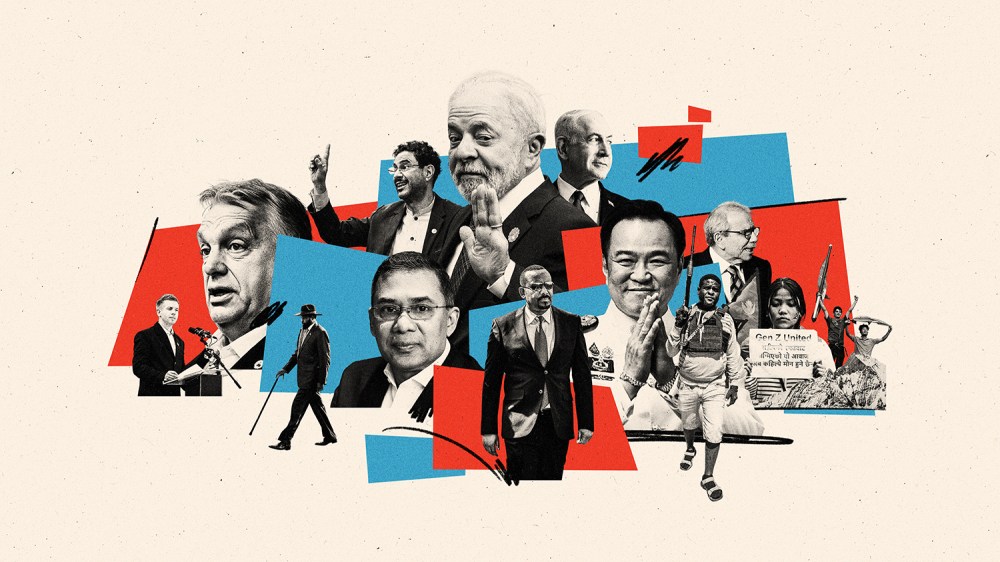
The U.S. midterm elections in November are sure to capture global attention, and President Donald Trump has already spearheaded efforts in Republican-led states to redraw congressional maps and bolster his party. Elsewhere, dozens of countries are also due to hold consequential national elections. The U.S. president has signaled intent to meddle in a few of them, too.
After swaying Argentine voters with promises of economic relief if they backed their right-wing president’s party in midterms last October, Trump has suggested that he may pull a similar stunt to protect Hungarian Prime Minister Viktor Orban in general elections this year. He has also waded into a contentious debate in Israel, urging a pardon for Prime Minister Benjamin Netanyahu in a sprawling corruption trial.
Countries that have upset Trump are girding against possible threats. Last month, he warned Colombia, where a leftist is leading polls, that it could be “next” in the deadly U.S. military campaign in the Caribbean. Brazil already endured U.S. intervention in its judiciary after convicting its Trump-aligned former leader; now, the right wing will attempt an electoral comeback.
Still, most elections this year focus chiefly on domestic affairs. In Bangladesh and Nepal, voters will head to the polls for the first time after youth-led protests ousted longtime leaders. But in Bangladesh at least, they will still contend with dynastic politics—which have also been a source of instability in Thailand. There, as in Nepal, fractious coalitions have created a revolving door of prime ministers in recent years, leading to snap elections.
Several nations—including Armenia, Ethiopia, Israel, Lebanon, and Thailand—are voting amid or in the immediate aftermath of armed conflict. Some leaders have committed to ambitious agendas to mitigate the potential for future war, while others are aiming to capitalize on nationalist fervor at the ballot box. Haiti and South Sudan may not officially be fighting wars, but chronic instability and violence could threaten electoral integrity in both countries.
Here are a dozen presidential and parliamentary races to watch around the world this year.
Thailand | Feb. 8
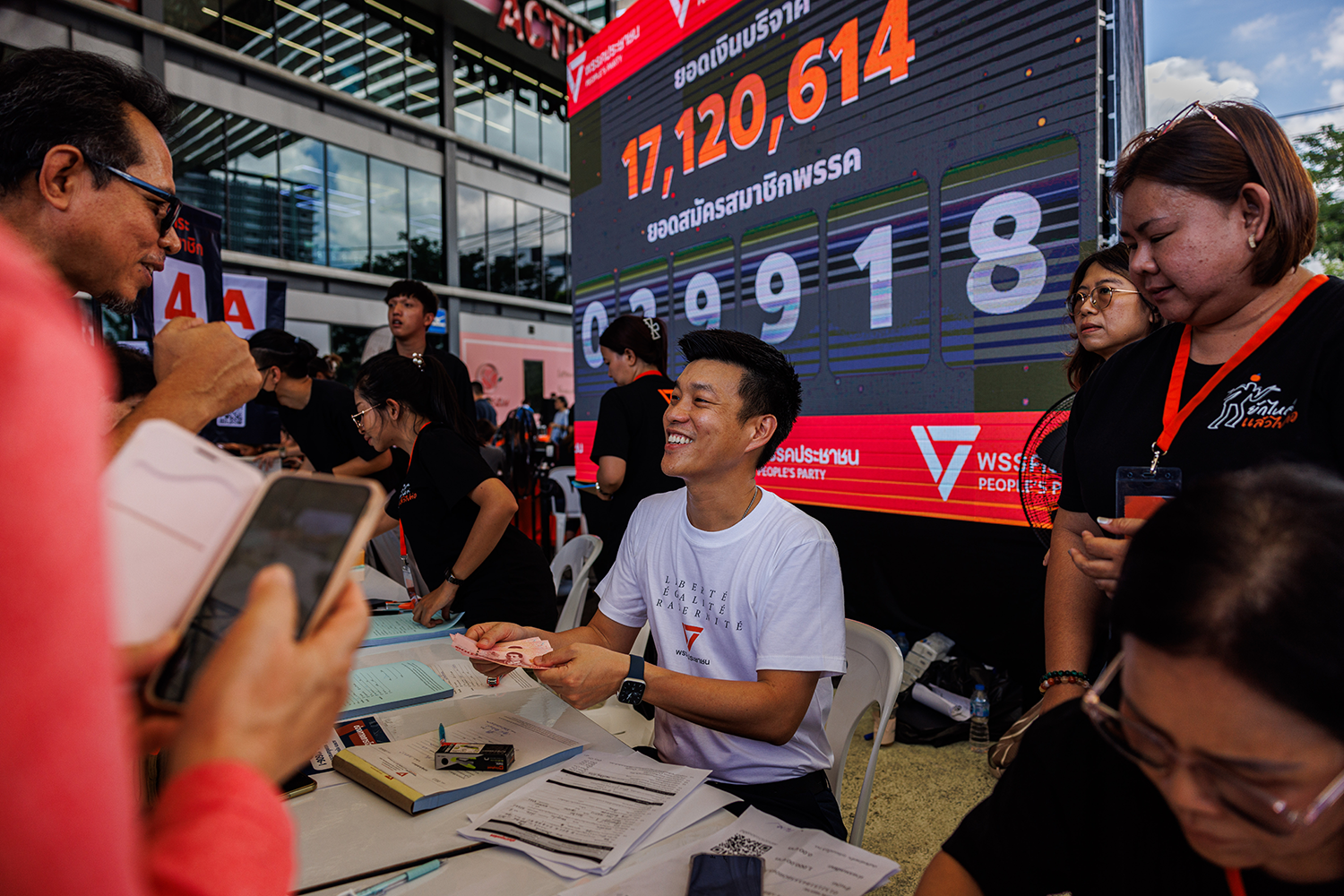
A smiling man in a white t-shirt sits at a table accepting donations. A large electronic display board shows the numbers “17,120,614” and “609918.”
People’s Party leader Natthaphong Ruengpanyawut accepts donations from a supporter at a party recruitment event in Bangkok on Aug. 10, 2024.Lauren DeCicca/Getty Images
Thailand will hold elections on Feb. 8, following Prime Minister Anutin Charnvirakul’s dissolution of parliament last month. That is a year earlier than planned—the result of a scandal related to clashes along the Cambodian-Thai border.
Cambodia and Thailand’s dispute over their shared boundary dates to the French colonial period. Last May, a border skirmish that killed a Cambodian soldier led to an escalation in violence. Despite a cease-fire brokered by U.S. President Donald Trump in July, fighting resumed last month.
Thailand’s political troubles picked up in June, when Cambodian strongman Hun Sun leaked a phone call with then-Thai Prime Minister Paetongtarn Shinawatra, in which she called Hun Sen “uncle” and used deferential language. The recording led Thailand’s Constitutional Court to suspend and later remove Paetongtarn from office, saying that she violated ethical standards. Paetongtarn led the Pheu Thai party, which her father founded in 1998.
Paetongtarn was the second prime minister to hold office since Thailand’s 2023 elections. In that contest, a different party earned a plurality of votes—the reformist Move Forward. But the party did not receive authorization to form a government from the Senate, which was at the time entirely appointed by the ruling junta. Instead, centrist Pheu Thai partnered with the conservative Bhumjaithai party in a coalition.
Bhumjaithai left the coalition after Paetongtarn’s call with Hun Sen was leaked and nominated Anutin as prime minister in September, but he could only secure the position with the help of the People’s Party—the latest iteration of Move Forward. The People’s Party agreed to support Anutin if he called elections within four months. Yet after the latest border clashes, the People’s Party threatened a no-confidence vote, leading Anutin to dissolve parliament last month.
Thailand’s House of Representatives has 500 seats, of which 400 are directly elected; the remaining 100 are allocated to parties via a complex apportionment system. In February, voters will likely also weigh in on referendums proposing some constitutional reforms and the revocation of border agreements with Cambodia.
The People’s Party and its leader, Natthaphong Ruengpanyawut, are ahead in polls. However, as their past experience shows, winning the most votes doesn’t necessarily translate into forming a government, especially for critics of the establishment.
Bangladesh | Feb. 12

An aerial view captures an enormous political rally or demonstration filling a major urban street.
Bangladesh Nationalist Party activists march through the streets of Dhaka, Bangladesh, on May 28.Abdul Goni/AFP via Getty Images
Bangladesh will hold a general election on Feb. 12. The country was last featured in this roundup two years ago, but the 2026 election will be a very different contest. Months after the much-criticized 2024 vote, Generation Z-led mass protesters forced the resignation of Prime Minister Sheikh Hasina, who had ruled Bangladesh for 15 years for the Awami League party.
Hasina is now living in exile in India, and a Bangladeshi court recently sentenced her to death in absentia for crimes against humanity. Nobel laureate economist Muhammad Yunus has led an interim government since August 2024. A reluctant entrant into politics, Yunus will not stand in February’s vote. “I came from another world. I’ll go back to my world,” he told NPR.
While in office, Yunus has expanded Bangladesh’s ties to China and erstwhile rival Pakistan. In his core area of expertise—economics—Yunus has had to contend with steep U.S. tariffs, which threaten Bangladesh’s vital garment exports. But growth had slowed across major sectors even before the U.S. levies.
Yunus, who is officially nonpartisan, hasn’t managed to temper Bangladesh’s divisive political culture. For most of the country’s history, power has alternated between the Awami League and its rival, the Bangladesh Nationalist Party (BNP), leading to retributive politics. Hasina also outlawed the largest Islamist party, Jamaat-e-Islami.
Now, the tables have turned. Yunus’s caretaker government banned the Awami League from political activities and allowed Jamaat-e-Islami to contest elections again. Human rights abuses and mob violence continue, this time targeting religious minorities as well as Awami League supporters. And rising Islamism threatens women’s political participation.
Ahead of the February election, polls show that the BNP and Jamaat-e-Islami are neck and neck. In the Hasina era, the two parties were allies, but since her ouster, they have become rivals. Also competing is the new, student-led National Citizen Party, an outgrowth of the anti-Hasina protests.
Although the BNP is poised to win a plurality, there are questions about who will assume the party mantle. Longtime leader Khaleda Zia died late last month; her son Tarique Rahman recently returned to Bangladesh after spending nearly two decades in exile in the United Kingdom.
Bangladesh’s unicameral parliament has 350 members, 300 of whom are directly elected; the remaining 50 are quota seats designated for women. Bangladeshis will also vote in a referendum to approve a set of constitutional reforms known as the July Charter, named for the uprising against Hasina.
Hasina’s son has threatened revenge if the Awami League remains barred from the February vote. “We will not allow elections without the Awami League to go ahead,” he told Reuters last November. “Our protests are going to get stronger and stronger. … There’s probably going to be violence in Bangladesh before these elections.”
Last month, protesters rioted in Dhaka after the assassination of an anti-Hasina protest leader who had hoped to run in the election.
Nepal | March 5
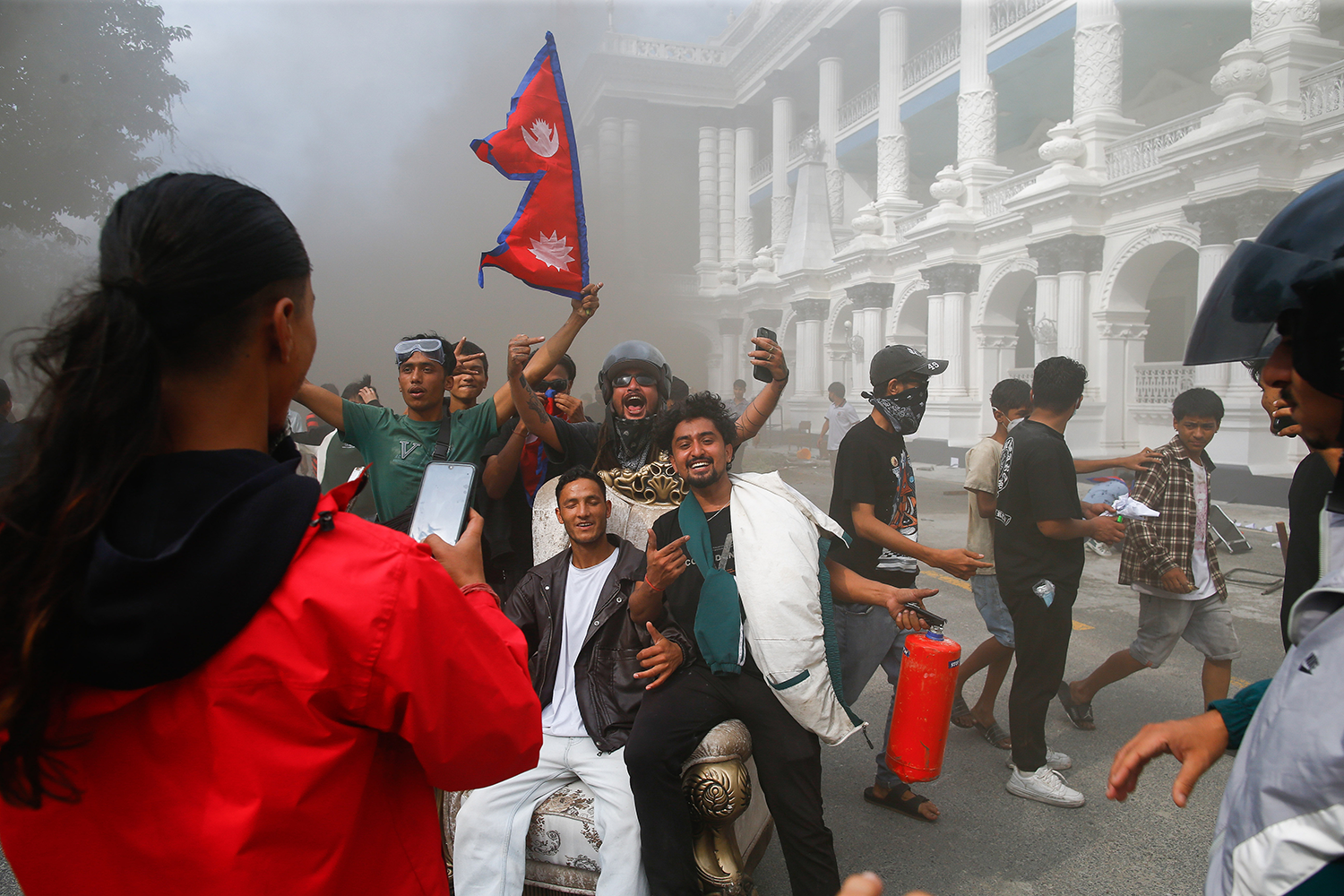
Young adults pose jubilantly on an ornate chair, with one waving the Nepali flag. Smoke fills the air around an ornate building, and a crowd of onlookers surrounds the scene.
Young Nepalis celebrate after capturing government offices and other ministries during protests in Kathmandu, Nepal, on Sept. 9, 2025.Skanda Gautam/SOPA Images/LightRocket via Getty Images
Last September, Nepal experienced a brief Generation Z uprising that led Prime Minister K.P. Sharma Oli to resign and set the stage for a March 5 election.
Protesters took to the streets after the government banned major social media platforms, ostensibly for noncompliance. Many Nepalis suspected that the move was intended to suppress dissent, particularly an online campaign calling out corruption and lack of economic opportunity.
Demonstrators vandalized government buildings, including parliament, and the military was deployed to maintain order. At least 76 people were killed in violent confrontations with security forces in a week.
Once Oli stepped down, Nepal chose its interim prime minister—anti-corruption activist Sushila Karki—largely based on debate on Discord, one of the social media platforms that was banned. Nepali President Ramchandra Paudel announced alongside Karki’s inauguration that he was dissolving the lower house of parliament and called the March election. Karki, Nepal’s first female leader, has said she is committed to holding the vote on time.
Nepal is a young democracy: The country abolished its monarchy in 2008, and it has seen frequent leadership changes since, including 14 different governments. The House of Representatives has 275 seats, 165 of which are directly elected. The remaining 110 are chosen via proportional representation.
Last month, authorities approved 114 parties to run in the election. Around one-fifth of those participating were formed in the wake of the Gen Z protests, and many are led by young people. It is unclear whether the millions of Nepali citizens abroad will be able to vote in the election.
Oli, who leads the Communist Party of Nepal (Unified Marxist-Leninist), is also standing in the vote—and it is not unlikely that he will become prime minister again in such a fractured partisan landscape. Another factor potentially working in Oli’s favor: The March contest won’t take place on Discord.
Colombia | March 8 and May 31
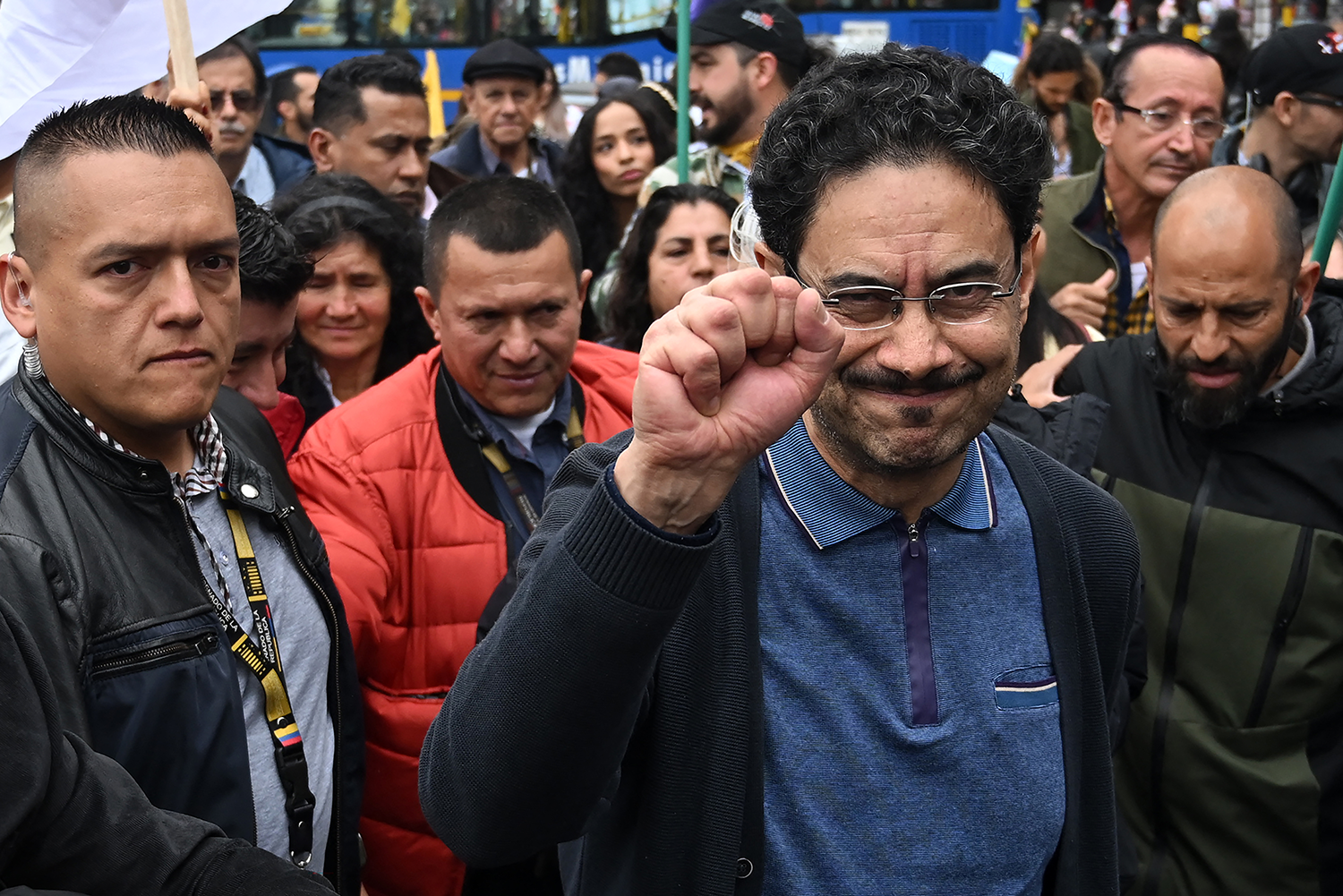
Ivan Cepeda raises his fist while surrounded by a crowd of people and security personnel.
Colombian presidential candidate Ivan Cépeda attends a rally in Bogotá on Nov. 14, 2025.Raul Arboleda/AFP via Getty Images
Colombia will hold legislative and presidential elections on March 8 and May 31, respectively. President Gustavo Petro, an ex-guerrilla elected in 2022 as Colombia’s first leftist president, cannot run again due to a one-term limit.
Many of Petro’s policies represented radical departures from his predecessors, including efforts to move oil-rich Colombia away from fossil fuels and negotiate cease-fires with armed groups, a “total peace” strategy that faltered in recent years.
But even as Petro weathered his own domestic troubles—a cabinet implosion, a corruption scandal, a rising disapproval rate—U.S. President Donald Trump caused Colombia’s biggest headaches last year. The leaders’ spat began in January 2025, when Petro refused to accept U.S. deportation flights but backed down after Trump threatened tariffs on key Colombian exports.
Washington also hasn’t looked kindly on Petro’s drug policy, which offers alternatives to coca production rather than criminalization. More recently, Petro said the United States “no longer respects international law,” likening the U.S. boat strikes in the Caribbean to “murder.” Those comments led Washington to impose a travel ban and sanctions on Petro.
Petro also broke with other foreign-policy norms in Bogotá, initiating a rapprochement with Venezuela but cutting ties with Israel over its war in Gaza, which he called “genocidal.” Colombia moved closer to China under Petro’s watch, too.
In a survey of Colombian voters last November, half of respondents said they had an unfavorable view of Trump—but 78 percent considered good relations with the United States “essential for the next administration.” It may be surprising, then, that the candidate representing Petro’s coalition topped the same poll, leading his next closest rival by more than 13 points.
The Historic Pact, a group of leftist parties, tapped Sen. Ivan Cépeda as its presidential nominee last October. Cépeda was a central figure in “total peace” talks and the prosecution of former right-wing President Álvaro Uribe. More than 100 other candidates and movements have also signaled their intention to seek the presidency. The country’s many parties traditionally form three broad coalitions, and official intraparty nominations will take place in March.
If polling holds, Cépeda is likely to face centrist Sergio Fajardo and right-wing candidate Abelardo de la Espriella. Fajardo, a former mayor of Medellín and governor of Antioquia, is a repeat presidential contender.
Espriella, a lawyer in the mold of Salvadoran President Nayib Bukele and Argentine President Javier Milei, is polling second to Cépeda. He holds boisterous rallies and has earned the backing of key Trump allies. Espriella’s path to the nomination is clearer after the assassination of tough-on-crime Sen. Miguel Uribe last year.
Colombia’s legislative contest will be a key indicator of voter sentiment before the presidential election. All 166 seats in the House of Representatives and 102 spots in the Senate will be up for grabs. Though most are elected via proportional representation, a handful of legislators are chosen via a quota system for Indigenous, Black, and expatriate Colombians.
In the presidential race, candidates will proceed to a runoff if none reaches a majority in the first round. Although he is currently trailing Cépeda and Espriella among the full list of candidates, Fajardo’s centrism may prove appealing when the field narrows.
Hungary | expected in April

Peter Magyar, wearing a dark jacket and carrying a Hungarian flag, interacts warmly with a crowd of people while surrounded by media cameras.
Hungarian opposition leader Peter Magyar shakes hands with supporters at a rally in Tarnok, Hungary, on Oct. 20. Attila Kisbenedek/AFP via Getty Images
Hungary is expected to hold parliamentary elections in April. The vote could pose a significant challenge to far-right Prime Minister Viktor Orban, who has flirted with authoritarianism since he and his Fidesz party returned to office in 2010. (Orban also served as prime minister from 1998 to 2002.)
On paper, Hungary is a democracy and a European Union member. But in practice, Orban has dismantled many checks on his leadership, exerting control over the judiciary, academia, media, and electoral politics. Corruption and cronyism have flourished under his watch.
Orban has also promulgated a form of social conservatism that is hostile to immigrants and the LGBTQ community. He has openly flaunted what he calls Hungary’s status as an “illiberal state.” And he has been a thorn in the side of EU and NATO efforts to support Ukraine in its war against Russia.
Even as Orban has become a pariah in the EU, he has won admirers among the U.S. right wing. U.S. President Donald Trump suggested last December that he would endorse Orban this year. The Hungarian leader might need the help: Fidesz’s coalition holds a parliamentary supermajority but has lost its long-standing dominance in national polls. The upstart Tisza party holds a more than 10-point lead over the ruling party.
Founded in 2020, Tisza is a conservative party opposed to Orban’s democratic erosion. Peter Magyar, a former Fidesz member and Orban ally, became the party leader last year; he is now Hungary’s most popular politician. In an interview with Foreign Policy, Magyar acknowledged that he faced an “uphill battle” to unseat Orban. But he said he was determined to win, focusing on bread-and-butter issues and national unity.
Tisza didn’t earn any seats in Hungary’s unicameral National Assembly during the 2022 elections. The body’s 199 seats are elected via a mix of single-member constituencies and proportional representation. But winning an election against Orban is only half the battle. It’s not clear that he would accept a loss, particularly if Trump’s endorsement materializes.
In Argentina’s midterm elections last October, Trump wielded the carrot of U.S. economic support to get voters to back his ally, President Javier Milei, who was sagging in polls. It appears to have worked. A month later, Trump promised Orban a “financial shield,” raising the possibility of a similar intervention in Hungary.
Lebanon | expected in May

A crowd gathers in front of stone buildings under a bright blue sky, with political posters and visible on the buildings. People wave Lebanese flags.
People celebrate the election of Joseph Aoun as Lebanon’s president, in Aishiyeh, Lebanon, on Jan. 9, 2025. Mahmoud Zayyat/AFP via Getty Images
Lebanon is due to hold parliamentary elections in May, although an exact date is not yet set. It will be the first such vote since Israel invaded Lebanon in 2024—and since Lebanon’s yearslong presidential crisis. The polarized country was without a head of state for more than 26 months, until parliament elected military leader Joseph Aoun last January.
Lebanon is a sectarian society, with religious divisions enshrined in a French colonial-era constitution. There are 18 officially recognized religious sects, and according to the country’s charter, Lebanon’s president must be a Christian, while the prime minister is Sunni and the speaker of parliament is Shiite.
There are hundreds of political parties and movements in Lebanon, falling mostly along sectarian lines. They can be generally divided into two blocs: Those that lean toward Iran and those that align with Saudi Arabia and the United States. There is also a smattering of reformist parties that aim to build on momentum from the 2022 elections.
The former camp, led by Hezbollah and its ally Amal, has been significantly weakened since two key events at the end of 2024: the conflict with Israel that killed Hezbollah’s top leader and the fall of the Assad regime in Syria. Hezbollah backed Lebanon’s former caretaker Prime Minister Najib Mikati, who left office in early 2025. But Aoun appointed a member of the latter camp, independent Nawaf Salam, to the role.
It looks unlikely that Hezbollah will regain enough power to perform well in this year’s elections. Despite a cease-fire, Israel continues to carry out regular strikes in southern Lebanon against what it says are Hezbollah targets. Salam has also drawn up a plan to disarm Hezbollah.
Many Lebanese seem unusually content with Aoun. Lebanon has been wrought by years of economic crisis, conflict, and weak state capacity. But 62 percent of citizens now say that they are optimistic about their country’s leadership—the highest rate of approval that the government in Beirut has seen more than two decades and a 46 point increase over the same survey in 2024.
Lebanon’s parliament is a unicameral body with 128 members. They are all directly elected to four-year terms. Seats are split evenly between Christians and Muslims and then further divided by sect.
A decisive factor in this year’s election could be voter turnout. Many members of the 15 million-strong Lebanese diaspora are able to vote for six members of parliament; in the last election, they overwhelmingly backed reformist parties and groups opposed to Hezbollah and Amal. On the home front, it could be difficult to operate polling places in areas under Israeli bombardment.
Ethiopia | June 1
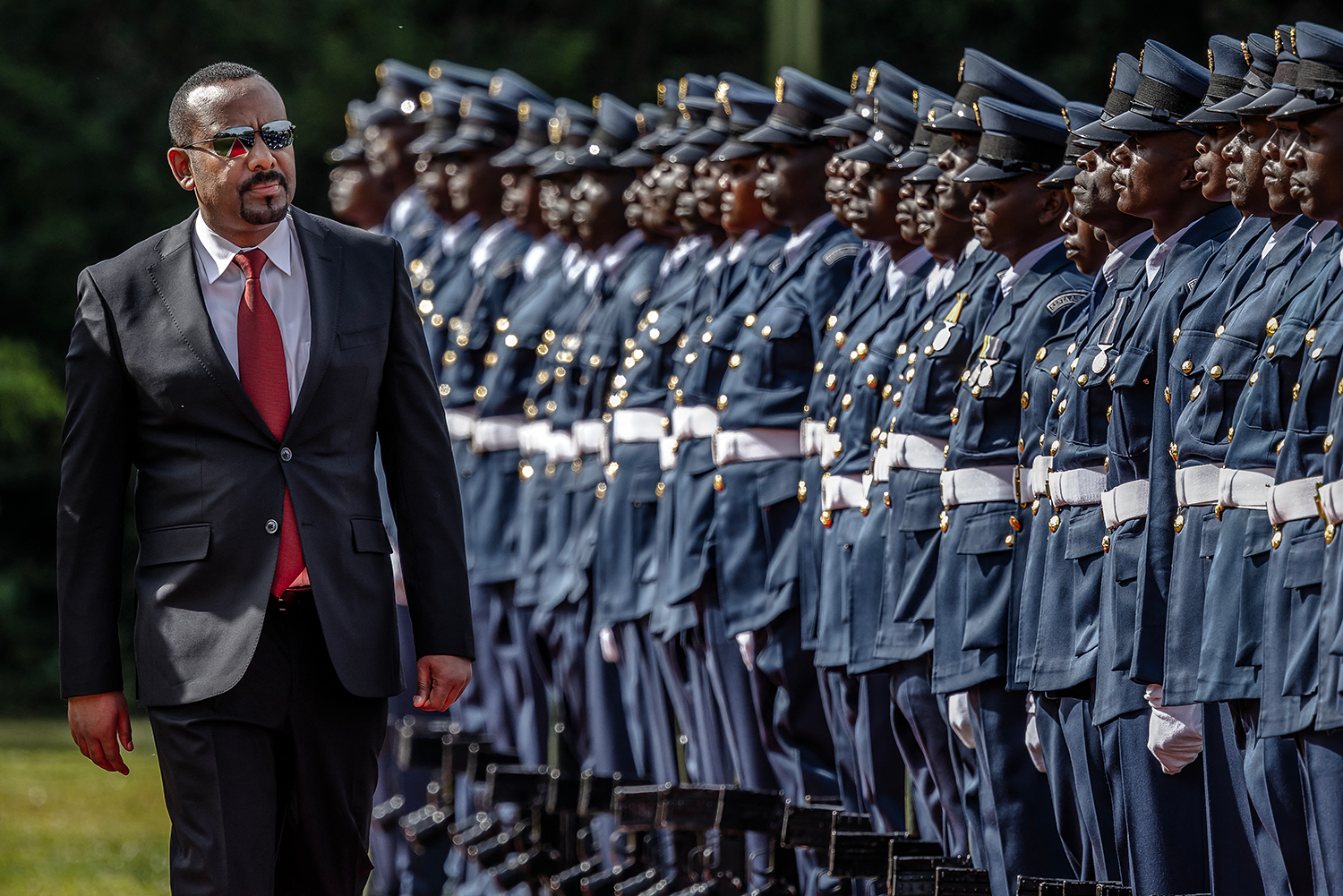
Prime Minister of Ethiopia Abiy Ahmed, wearing a suit and sunglasses, walks past uniformed military personnel standing at attention in formal dress uniforms.
Ethiopian Prime Minister Abiy Ahmed walks past guards during an official state visit to Kenya in Nairobi on Feb. 28, 2024. Luis Tato/AFP via Getty Images
Ethiopia will hold general elections on June 1, authorities announced last fall. Prime Minister Abiy Ahmed said they would be the “best organized” vote in the country’s history.
The bar is not very high. The last elections that Abiy oversaw, in 2021, were twice delayed and occurred amid a brutal civil war between the federal government and militants in Ethiopia’s Tigray region. Voting did not occur in Tigray at all.
Ethiopia operates under a system of ethnic federalism. The Tigray People’s Liberation Party (TPLF) dominated Ethiopian politics for decades. But in 2018, several ethnic-based parties unified behind Abiy as prime minister. He became the country’s first non-Tigrayan leader since the end of dictatorship in 1991 and quickly went after many of the TPLF’s patronage networks.
Abiy initially inspired great hope both in Ethiopia and around the world: He was young and charismatic and seemed dedicated to overcoming deep-seated ethnic divisions in his country and beyond. In 2019, Abiy was awarded the Nobel Peace Prize for his efforts to mend ties with the neighboring country of Eritrea, a former breakaway province.
But since then, Abiy has fallen from grace. The 2020-2022 civil war between the Ethiopian government and the TPLF was sparked by Abiy delaying the last election. The conflict spiraled into what the United States called “one of the worst humanitarian and human rights crises in the world.” Millions of people in Tigray remain at risk of famine, and both Ethiopian forces and the TPLF have been accused of war crimes.
Despite a tenuous peace agreement in Tigray, Ethiopia is still grappling with ethnic-based conflicts in other states, including Amhara and Oromia, and it once again finds itself on the brink of war with Eritrea. Abiy hasn’t let that turmoil hamper his bold economic ambitions. Last year, he inaugurated the massive Grand Ethiopian Renaissance Dam, which has caused tensions with Egypt over access to the Nile River.
With the levers of government working in his favor and Tigray barred from participating, Abiy’s Prosperity Party won nearly 90 percent of the vote in the 2021 elections. It holds an overwhelming majority of the 547 seats in Ethiopia’s lower house of parliament, all of which are directly elected.
There is little doubt that the party will dominate this year’s contest. Last year, Ethiopian electoral authorities deregistered the TPLF, skewing the country’s partisan landscape further in Abiy’s favor. That’s just one reason why political scientists have warned that the vote is unlikely to be fair; another is Abiy’s attempts to severely curtail civil society.
Armenia | June 7
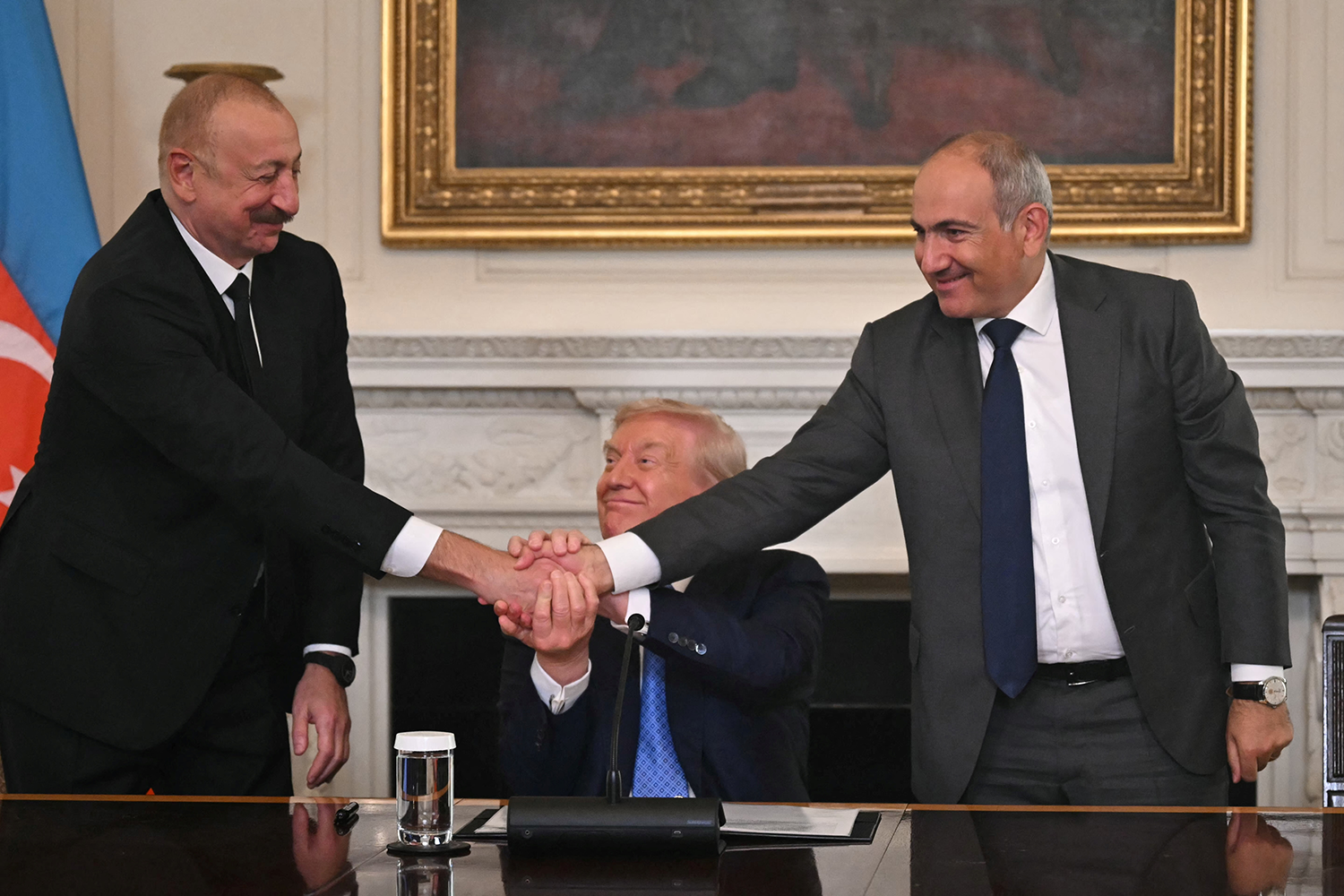
Trump, Azerbaijani President Ilham Aliyev, and Armenian Prime Minister Nikol Pashinyan shake hands simultaneously in a room with a white marble fireplace and a gold-framed painting. A document rests on a desk in front of them.
From left: Azerbaijani President Ilham Aliyev, U.S. President Donald Trump, and Armenian Prime Minister Nikol Pashinyan shake hands after signing an agreement in the White House in Washington on Aug. 8, 2025.Andrew Caballero-Reynolds/AFP via Getty Images
Armenia is due to hold parliamentary elections on June 7. After a snap election in 2021, this year’s vote will be the country’s first regularly scheduled contest in nearly a decade.
Many Armenians do not appear enthusiastic about the candidates. According to a survey published in July 2025, just 13 percent of respondents trusted Prime Minister Nikol Pashinyan—but that was the highest rating given to any politician in the country. The same goes for Pashinyan’s pro-reform, pro-West Civil Contract party, which has seen a decline in support but still ranks 13 percentage points ahead of its next-closest rival, the center-right Armenia Alliance.
Pashinyan came to office on the back of Armenia’s 2018 “velvet revolution.” He has faced his fair share of challenges since, chief among them being devastating losses to Azerbaijan in the 2020 and 2023 wars over the disputed territory of Nagorno-Karabakh. Pashinyan has also had to ward off influence from Russia.
Last August, Pashinyan and Azerbaijan’s leader initialed but did not sign a U.S.-brokered peace plan for Nagorno-Karabakh. The deal favors Azerbaijan and is contingent on Armenia changing its constitution to remove mention of Nagorno-Karabakh—provisions that sharply divided Armenians.
Pashinyan’s campaign manifesto, called “Real Armenia,” aims to secure the requirements to implement the peace deal. It has three core components: reopening Armenia’s borders, normalizing relations with Azerbaijan and Turkey, and reducing Armenia’s dependence on Russia. If Civil Contract wins, Pashinyan said that he will hold a referendum on constitutional reform.
Armenia’s unicameral National Assembly has 107 seats. Though 103 members are elected via a closed-list proportional system, four represent ethnic minorities: Assyrians, Kurds, Russians, and Yazidis. Parties must reach a 5 percent threshold to enter the National Assembly; for coalitions, the bar is 7 percent.
Haiti | Aug. 30

Armed individuals with covered faces walk through a urban, residential street, carrying rifles held upright.
Gang leader Jimmy Cherizier (center) patrols the streets in Port-au-Prince, Haiti, on Feb. 22, 2024.Giles Clarke via Getty Images
Haiti will hold general elections on Aug. 30, the first such contest in nearly a decade. The country has been embroiled in a political and security crisis since the 2021 assassination of President Jovenel Moïse, who was never replaced. In 2024, a gang takeover of the capital, Port-au-Prince, forced the resignation of unpopular acting Prime Minister Ariel Henry.
For nearly two years, Haiti has been governed by a Transitional Presidential Council with a rotating series of leaders. The council’s rule is meant to pave the way for general elections, and its mandate ends on Feb. 7. Haitian electoral authorities said last October that it would be logistically “impossible” to hold the vote by then, instead setting a date in August.
Around 90 percent of Port-au-Prince remains under gang control, and more than 1.4 million Haitians are internally displaced. Since 2024, a multilateral police mission has deployed to Haiti in a so-far unsuccessful attempt to rein in gangs. The United Nations expanded that effort to become a “Gang Suppression Force” that includes troops.
Among many uncertainties ahead of Haiti’s vote is who will be allowed to participate. The country’s justice ministry said last October that it had approved more than 220 parties. Now, the powerful Viv Ansanm gang alliance, led by Jimmy Chérizier—known by his nom de guerre, “Barbecue”—has proclaimed itself a party and said it wants to compete.
A proposed election decree does not explicitly prevent sanctioned actors or accused leaders of armed groups from running, the Miami Herald reported. The United States considers Viv Ansanm a terrorist organization.
Haiti currently has no elected representatives, which means there are a lot of offices to fill: the presidency and both houses of parliament, the 30-member Senate and the 119-member Chamber of Deputies.
Elections for president and for the Chamber of Deputies will proceed to a December runoff if no candidate receives a majority. A typical Haitian Senate term is six years, with one-third of the body up for election every two years. But with no sitting senators, this election will operate differently. First-place Senate candidates will serve a full term, while the second- and third-place candidates will be in office for four and two years, respectively.
With the transitional council still due to step down by Feb. 7, it is unclear who will hold power in Haiti between then and election day. The United States, which has a history of meddling in Haiti, has insisted that the vote occur by February.
Whenever it takes place, it would be realistic to expect turmoil: The last Haitian elections in 2015-16 were overshadowed by violence and “widespread violations,” Freedom House wrote at the time.
Brazil | Oct. 4
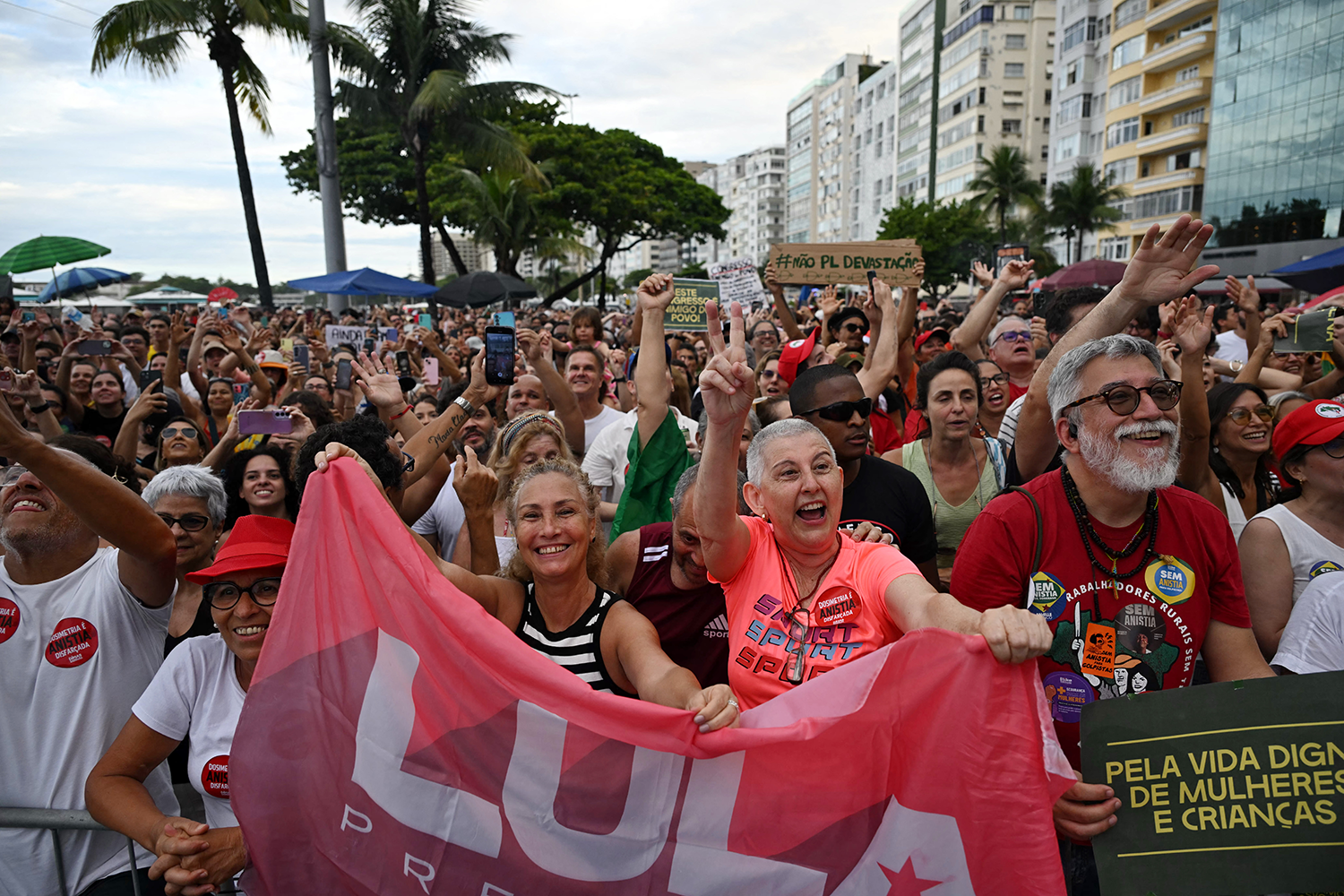
A large crowd of people gathers at a beachfront, with participants holding a pink banner reading “Lula” and raising their hands.
People attend a protest at Copacabana Beach in Rio de Janeiro on Dec. 14, 2025.Mauro Pimentel/AFP via Getty Images
Brazil will hold general elections on Oct. 4, with leftist President Luiz Inácio Lula da Silva seeking a fourth term. Lula’s first stint in office spanned from 2003 to 2011. After a court annulled corruption convictions against him, he made a political comeback and won Brazil’s last general election in 2022.
In a neck-and-neck runoff, Lula narrowly defeated right-wing President Jair Bolsonaro, a close ally of U.S. President Donald Trump. Bolsonaro’s supporters went on to stage a rampage through the capital, Brasília. Brazil quickly held the rioters to account, and last September, Brazil’s Supreme Court convicted Bolsonaro and seven associates of plotting a coup.
Trump sanctioned top Brazilian officials and imposed on Brazil the highest U.S. tariff rate in the world as punishment for Bolsonaro’s prosecution. Brazil is Latin America’s largest country, and Lula has used its economic heft to insulate Brazilians from the worst effects of Trump’s trade war.
A longtime believer in global south empowerment, Lula has spent his third term as an active leader on the world stage, working to advance talks in conflict zones such as Ukraine and participating in forums such as BRICS and Mercosur. He has also overseen Brazil’s presidencies of the G-20 and the most recent United Nations climate conference.
Many analysts initially regarded Lula’s third term as a bridge from the Bolsonaro presidency to a new generation of leaders. Lula, who is now 80, said in 2022 that he would not run again if he defeated Bolsonaro. But Lula appears to have changed his mind. Trump’s attacks on Brazil created a rally-around-the-flag effect that boosted Lula’s popularity.
Still, Brazil remains starkly polarized. According to a poll last month, 49 percent of Brazilians approve of Lula’s presidency, while 48 percent disapprove. Though Bolsonaro is in prison and banned from politics, he retains a large base of support; the open question before October is who will take up his mantle.
Two key contenders are Tarcísio de Freitas, the right-wing governor of São Paulo, and Bolsonaro’s son Flávio, a senator. Freitas has better odds against Lula in a runoff: A December 2025 survey found that Lula had a 15-point lead against Flávio Bolsonaro that dropped to 5 points against Freitas.
Lula was an effective candidate in 2022 because he built a broad coalition rather than catering exclusively to his Workers’ Party, and he tapped a centrist politician as his vice president. Although it’s not yet clear whether Lula will have the same running mate, his coalition politics are likely to continue.
Several other politicians are expected to run for president, though the campaign period won’t begin until closer to the election. If no ticket achieves a majority on Oct. 4, they will proceed to an Oct. 25 runoff. All members of Brazil’s lower house and two-thirds of the Senate will also be chosen. They are elected by open-list proportional representation and plurality, respectively. On the state level, voters will elect legislators and governors.
Since Bolsonaro left office, his family has looked to Trump for support. While Flávio has been active in Brazil’s Senate, another one of Bolsonaro’s sons, Eduardo, has decamped to the United States. Trump hasn’t yet waded into Brazil’s election, but if his past interventions in the country’s politics are any indication, it’s only a matter of time.
Israel | Oct. 27
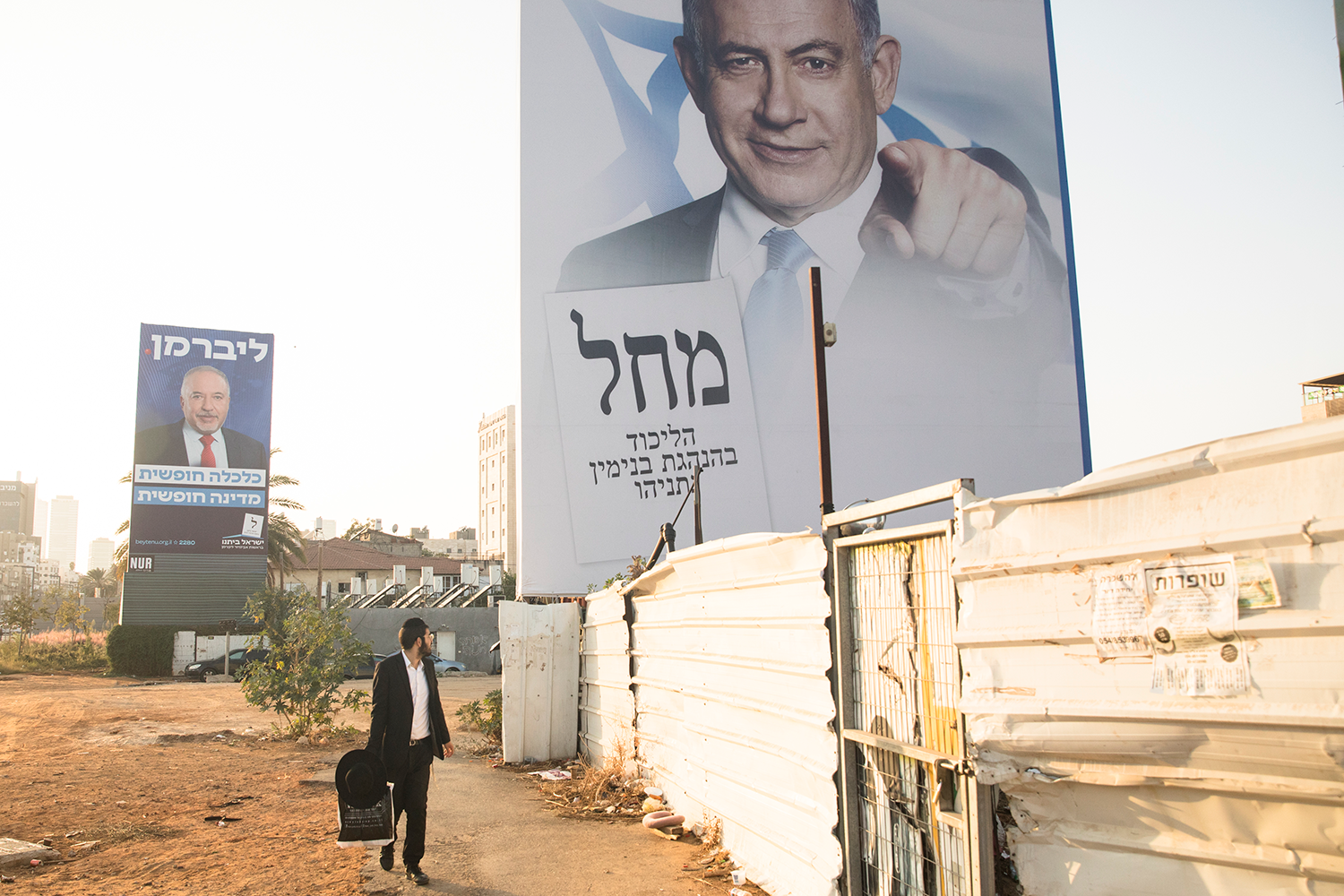
An Orthodox Jewish man in traditional black attire walks past large campaign billboards in Israel. The largest billboard depicts Israeli Prime Minister Benjamin Netanyahu pointing.
A man walks by campaign posters showing Benjamin Netanyahu (front) and Avigdor Liberman in Bnei Brak, Israel, on Oct. 27, 2022. Amir Levy/Getty Images
Israel is due to hold parliamentary elections by Oct. 27, marking the first such vote since the Oct. 7, 2023, Hamas attacks on Israel and the devastating war in the Gaza Strip that followed.
For a brief moment, the Oct. 7 attacks—which killed more than 1,200 people—and Israel’s multifront war against Hamas, Hezbollah, and Iran led to national unity in Israel. But political divisions resurfaced amid criticism of Israeli Prime Minister Benjamin Netanyahu’s failures to secure the release of dozens of hostages held by Hamas and Israel’s military conduct in Gaza. (The United Nations and leading human rights organizations say that Israel has committed genocide.)
Members of Israel’s opposition argued that Netanyahu, who leads the right-wing Likud party, was prolonging the conflict to stay in power and distract from his political woes, including an ongoing corruption trial.
Although Israel and Hamas reached a tenuous cease-fire in October 2025, Israel has not stopped bombing Gaza. More than 350 Palestinians have been killed since then, bringing the overall death toll from the war to more than 70,000. Settler violence against Palestinians has also risen in the occupied West Bank. And Israel has continued striking Lebanon, despite a 2024 cease-fire with Hezbollah.
Netanyahu can’t mess with Israel’s electoral calendar, however. His latest coalition, formed in 2022, has outlasted the average Israeli government lifespan of 1.9 years, but the country holds regularly scheduled elections every four years. Ahead of the vote, Netanyahu has attempted to secure a preemptive pardon from Israel’s president, an effort that has earned the support of Netanyahu’s close ally, U.S. President Donald Trump.
Netanyahu’s government is on shaky ground. In 2022, he forged a coalition with far-right parties, including some groups led by sanctioned settler extremists who have incited violence against Palestinians. Netanyahu has often deferred to the far right to keep his government together amid bitter disputes. The latest debate is over whether ultra-Orthodox Jewish men should be conscripted into the military.
In 2021 elections, Netanyahu unseated Naftali Bennett, who has now launched his own party called Bennett 2026. Bennett has courted other key opposition figures, such as centrists Benny Gantz and Yair Lapid, in an attempt to form a coalition that has a viable shot at unseating Likud. According to a poll last March, Bennett would beat Netanyahu in a head-to-head matchup.
Israel’s parliament, the Knesset, has 120 seats, which are elected via closed-list proportional representation. Parties must pass a 3.25 percent threshold to enter the body.
Bennett, who does not currently serve in the Knesset, has cautioned Netanyahu against delaying the vote, presumably on dubious national security grounds. To further tilt the playing field, Netanyahu is also exploring a way to disqualify Arab parties from competing in elections. In the 2021 vote, Israel’s Arab parties were kingmakers in Bennett’s coalition.
South Sudan | Dec. 22
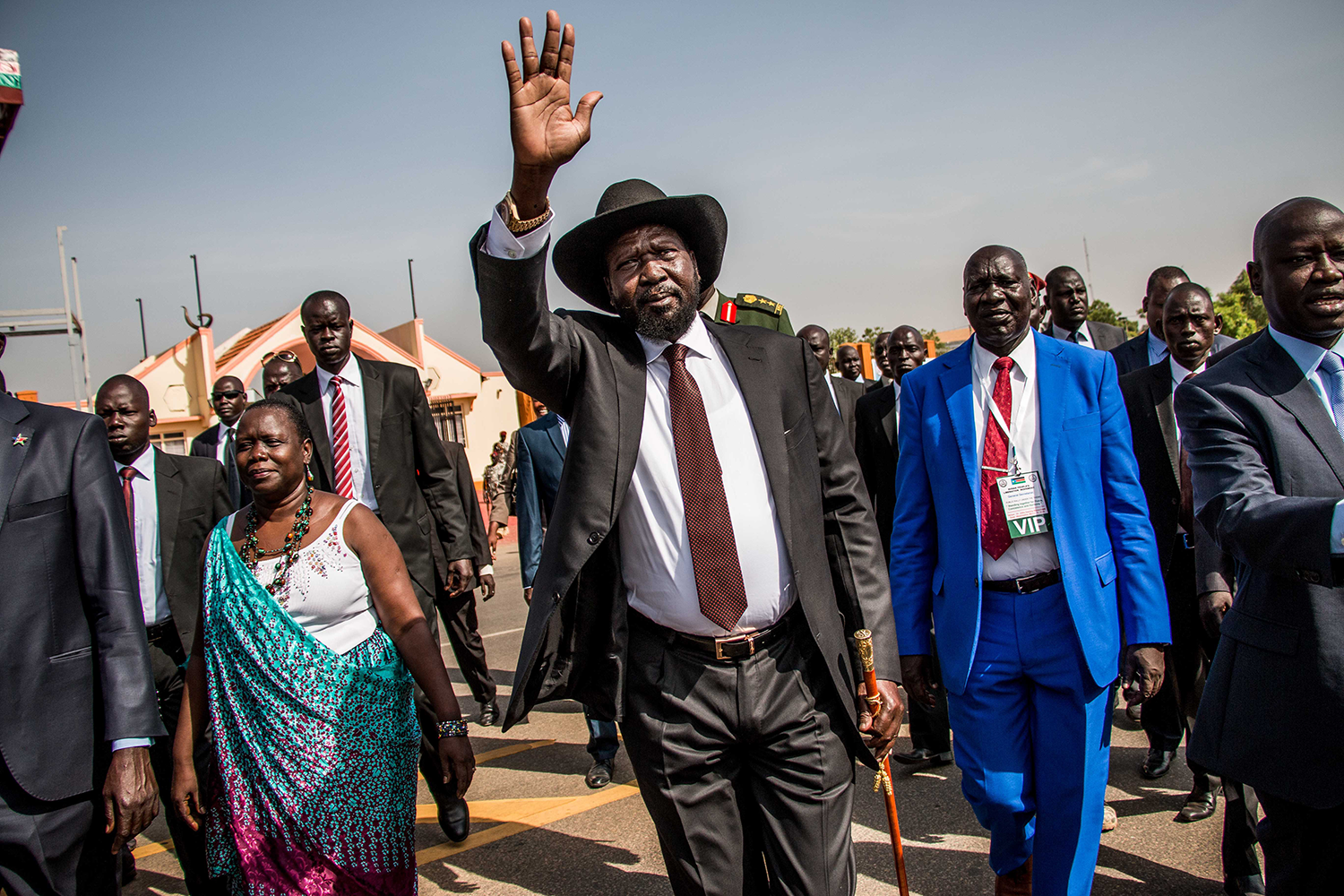
A political leader wearing a black fedora hat and dark suit waves to a crowd while walking with an entourage of officials and security personnel.
South Sudanese President Salva Kiir arrives for a political rally in Juba, South Sudan, on March 18, 2025. Ashley Hamer/AFP via Getty Images
South Sudan is scheduled to hold elections in December—the first vote in the country’s history. It was not supposed to take this long. Salva Kiir, the governor of the autonomous Sudanese region that became South Sudan, took up the presidency after gaining independence in 2011, and the new nation set 2015 as an official election date.
The contest has been postponed five times due to internal strife, including a 2013-2018 civil war that killed around 400,000 people. A 2018 peace deal set up a power-sharing arrangement between Kiir, who belongs to the Dinka ethnic group, and Riek Machar, a member of the Nuer ethnic group who served as vice president.
The détente was short-lived: Last year, Kiir had Machar arrested and charged with inciting rebellion. Violence also escalated between South Sudanese forces and the White Army, a Nuer-aligned militia, raising fears that South Sudan could be on the brink of renewed civil war.
Writing in Foreign Policy last year, South Sudan expert Clémence Pinaud argued that “the peace deal is effectively dead” and predicted that “there will be no elections as scheduled in 2026.” The country’s political parties have already said that they won’t conduct a census or draft a permanent constitution until after the vote. These were originally prerequisites to holding an election.
However, the contest is officially on for now. South Sudan’s yet-untested electoral system requires presidential candidates to obtain at least 50 percent of the vote; if none wins a majority in the first round, they proceed to a runoff. Voters will also choose all 100 and 550 seats of the upper and lower houses of parliament, respectively.
South Sudan is the world’s poorest country, with a poverty rate of 92 percent. Conflict in neighboring Sudan has further destabilized the country and jeopardized its main export, oil. Sudan’s army says that Kiir is backing the paramilitary Rapid Support Forces in Sudan’s civil war; as a result, Kiir-aligned officials think Sudan may be supporting Nuer groups.
Making matters worse is U.S. disengagement. The United States for years provided the country with lifesaving health care assistance. But since U.S. President Donald Trump dismantled the U.S. Agency for International Development last year, South Sudan has faced a worsening cholera epidemic. U.S. officials celebrated their cuts to South Sudan by eating cake, ProPublica reported last month.