Imagine a whole 1,000,000 tons of lithium is buried in China’s mountains. That’s a huge amount of lustrous metal, enough to ignore the existence of hydrogen and nuclear energy. China’s 1 million-ton energy discovery explains why the country is taking the front row in the manufacturing of consumer electronics, energy storage systems, and electric vehicles.
Understanding the lithium in China’s mountains
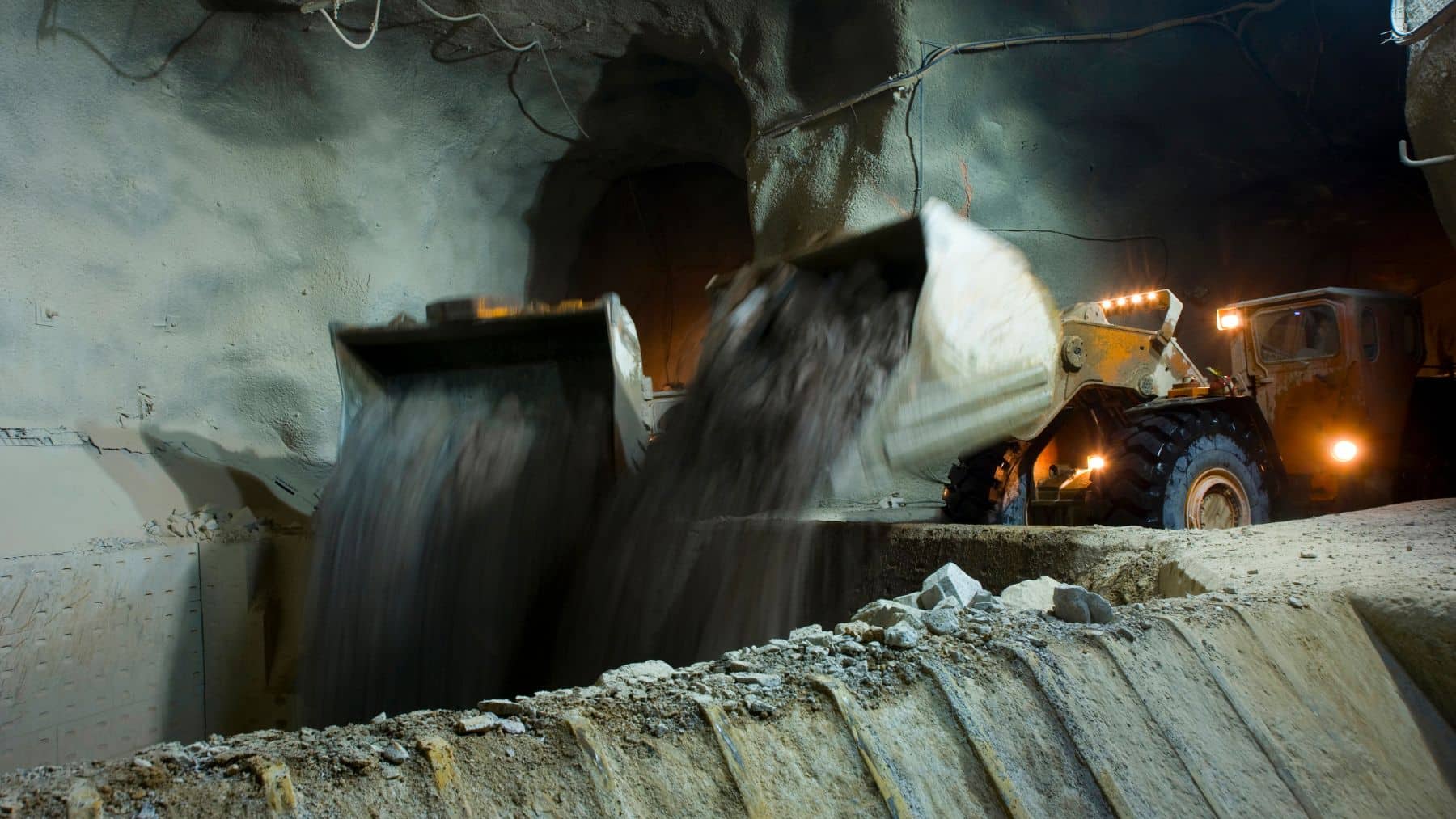
China’s lithium is found in the Jiajika Lithium Mine in the province of Sichuan, China. This government-owned mineral is derived through surface mining techniques. Being a surface-level mineral, it requires less drilling, as it is found close to the earth’s surface, fewer complex engineering systems, and lighter machinery.
Drilling it poses fewer risks to miners than minerals hidden hundreds to thousands of meters underground. Unlike those minerals, the cost of lithium exploration is lower. Lithium miners are exposed to fewer toxic gases, extreme heat, and the risk of collapses.
The reduced complications and mining costs of lithium give China an edge in the market. As lithium is a surface-level mineral that is easier to mine, it enables China to refine it, manufacture products with it, and establish its supply chains without wasting too much time.
How China’s 1 million-ton energy discovery is shaping technology
With one million tons of lithium in China’s mountains, technology and the global economy are taking a bigger and broader shape. Lithium is one of the core minerals used to produce rechargeable batteries found in smartphones, laptops, power banks, drones, smart home devices, wearable devices, and digital cameras.
Using lithium in these smart devices in a world that has gone digital is a gold mine for the country. It’ll also benefit the global economy through the availability of durable batteries. Investors or global players can also generate earnings by investing in China for a consistent supply of batteries, like the unprecedented silent sand battery, providing energy for homes. Countries around the world, including China, can move from the heavy use of fuel-powered cars to battery-powered cars.
Research shows that China produced 70% of the world’s electric cars in 2024. These cars use lithium-ion batteries. Producing the batteries for these cars already shows a significant use and sale of lithium. China also sells to brands like electric car brands, including Tesla, Volkswagen, BMW, and Ford.
The transition from fuel to batteries for cars contributes to cleaner transportation, as it eliminates direct exhaust or greenhouse emissions, which often threaten lives and the environment. As demands for lithium rise in nations’ partnerships, China can influence production decisions. The country also contributes to employment and revenue generation through its refiners, recycling plants, and battery factories.
How lithium trumps hydrogen and nuclear energy
Discovering and paying more attention to lithium is now pushing hydrogen and nuclear energy to the back seat. Since China’s 1 million ton energy discovery, there has been more alignment with producing the world’s current technological needs.
While lithium requires less complicated systems of production, hydrogen and nuclear energy demand more. Both require specialized infrastructure and long-term investment for producing electricity through fuel cells or gas turbines.
Hydrogen (grey or blue) energy is not entirely clean like lithium. Grey and blue hydrogen releases carbon dioxide (CO₂). Producing green hydrogen is expensive. Also, storing it requires advanced facilities. On the other hand, nuclear energy requires more safety measures. Lithium can be produced without trying to bypass any of these. The abundance of lithium in China’s mountains contributes largely to the country’s and others’ technological and economic growth. It’s easy to mine and process into batteries that power numerous devices, digital systems, and vehicles worldwide, just like this groundbreaking invention, submerging the internet to generate energy.