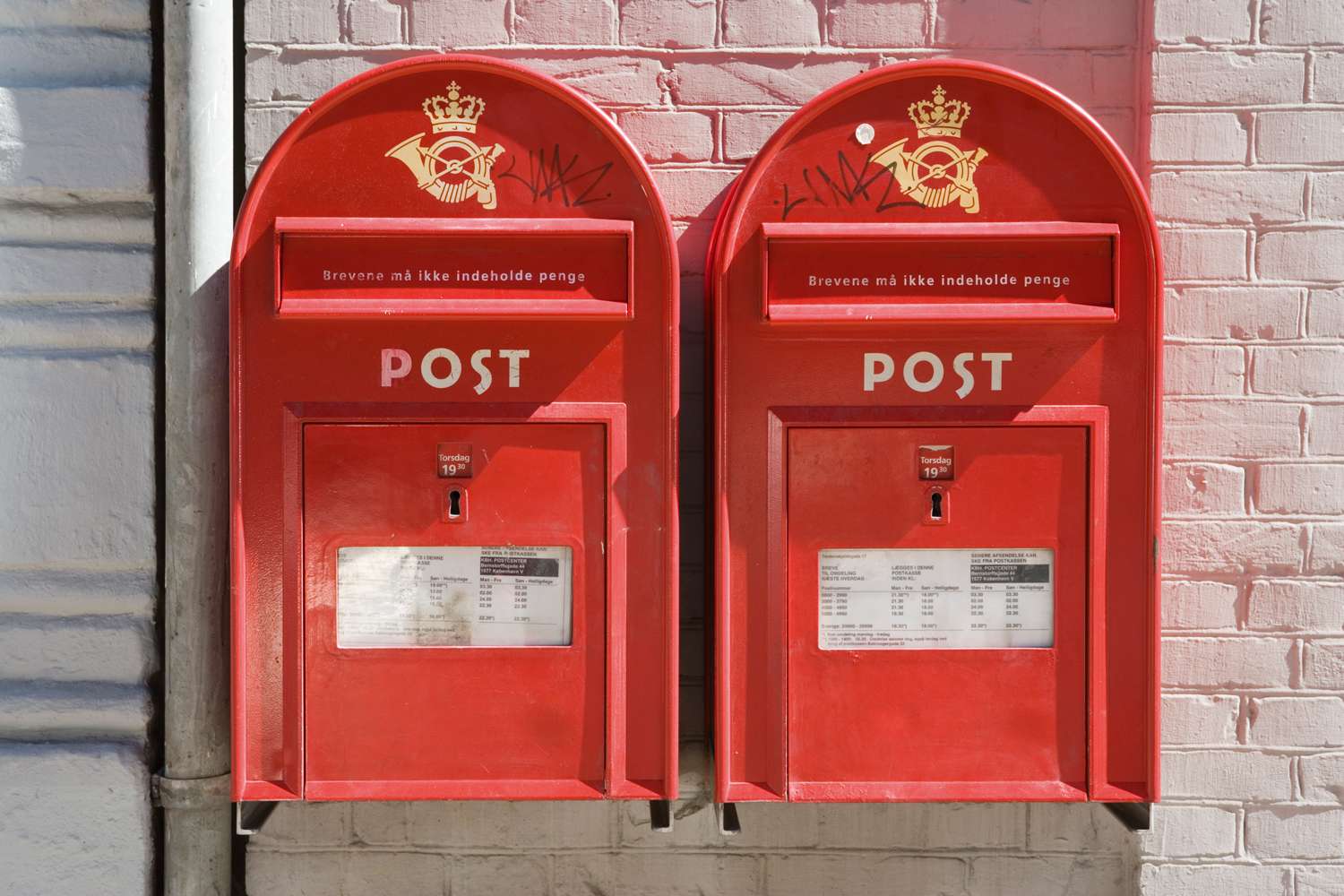
Denmark’s national postal service has just delivered its final letter.
Known as PostNord, the postal service delivered its last letter in Denmark on Tuesday, Dec. 30, ending a tradition that lasted more than 400 years, according to CNN and The New York Times.
In 2025, the state-run service announced the decision to stop delivering letters in addition to the elimination of 1,500 jobs in Denmark and the removal of 1,500 red postboxes, The Guardian reported.
PostNord said the decision was made amid “increasing digitalization� in Denmark, noting that demand for letter delivery had “fallen drastically� in recent years.
The service delivered 94% less letters in 2024 than it did in 2000, CNN reported.
Denmark’s postal service began delivering letters in 1624, according to The Guardian. PostNord was formed in 2009 as part of a merger between the Swedish and Danish postal services.
Andreas Brethvad, PostNord Denmark’s public affairs and communications director, told CNN that “physical letters no longer serve the same purpose� as before, noting that “almost every Dane is fully digital.�
“Most communication now arrives in our electronic mailboxes,� Brethvad said, “and the reality today is that e-commerce and the parcel market far outweigh traditional mail.�
Though the service will no longer deliver letters in Denmark, letter delivery will continue in Sweden, the Times reported. Additionally, PostNord will continue to deliver packages in Denmark.
However, letters can still be delivered through a private company known as Dao, which expects to expand its services in the wake of PostNord’s decision, according to the reports.
Customers will have to drop off their letters at a Dao shop or pay an extra fee to have them picked up at home, according to The Guardian.Â
Never miss a story — sign up for PEOPLE’s free daily newsletter to stay up-to-date on the best of what PEOPLE has to offer, from celebrity news to compelling human interest stories.
Marlene Rishoej Cordes, a spokesperson for the DaneAge Association, told CNN that Dao requires its customers to pay for its service digitally.
“It’s very easy for us to access our mail on the phone or a website … but we forgot to give the same possibilities to those who are not digital,� Cordes explained.