Published on
January 2, 2026
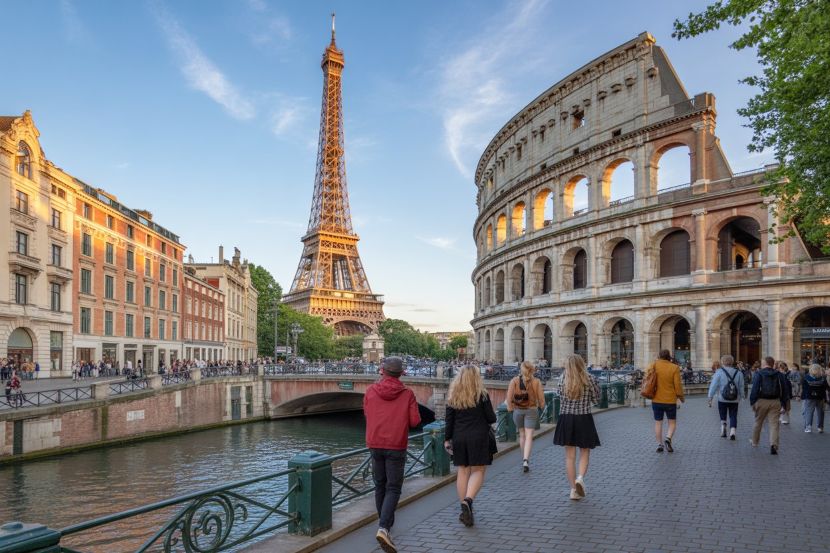
Europe’s tourism sector is drawing more global travellers by highlighting practical and affordable ways to explore its diverse culture, cities, and landscapes without overspending. With official tourism bodies emphasising accessibility and value, budget‑savvy visitors now find endless opportunities to visit historic sites and scenic regions. European tourism officials state that smart planning and cost‑conscious choices not only help traveller budgets but also support local economies and year‑round tourism growth. Tourism remains a key driver for economic resilience and employment across the European Union, with policymakers promoting initiatives that make travel more economical and sustainable.
Off‑Peak Seasons Expand Visitor Outreach
European tourism authorities encourage travellers to consider shoulder and off‑peak seasons to benefit from lower prices and fewer crowds. Visiting during spring or autumn typically reduces demand pressures on transport, hotels, and attractions, leading to tangible cost savings for visitors. Such timing also enhances the holiday experience by providing a more relaxed pace in major cultural centres. Officials cite this approach as integral to spreading tourism demand throughout the year and reducing overtourism at popular hotspots.
Transport Options Make Mobility Affordable
Europe’s extensive transportation network remains a cornerstone of its tourism appeal. With budget airlines operating numerous intra‑European routes, many visitors travel between cities and countries at reduced costs. Utilising buses, local trains, and public transit systems further reduces transportation expenses. These options make it easier for visitors to explore multiple destinations while keeping travel spending manageable, thereby enriching the overall experience for cost‑conscious tourists.
Accommodation Choices Enhance Value
Tourism experts highlight that lodging outside city centres and staying in budget guesthouses or short‑term rentals significantly lowers accommodation costs. Many destinations also offer lodging with kitchen facilities, enabling visitors to prepare meals and reduce food costs. These choices not only appeal to backpackers and families seeking value but also contribute to the diversification of local tourism economies by spreading visitor presence to residential neighbourhoods.
Eating Like a Local Adds Cultural Depth
Understanding local culinary customs has become a key recommendation in official destination advice. Dining at markets, cafes, and eateries popular with residents delivers authentic flavours while avoiding premium tourist pricing. Tourism boards often promote regional food experiences that combine local culture with cost‑effective dining. This approach benefits small businesses and encourages travellers to integrate more deeply into community life.
Free and Discounted Cultural Experiences
Many European cities host free walking tours, open‑air performances, and seasonal festivals that attract visitors without major expense. In addition, official museum and heritage schedules often include free or discounted entry days. Such cultural offers draw tourists who might otherwise delay travel due to financial constraints. Tourism officials say these experiences not only deliver value but also promote cultural heritage and support long‑term visitor engagement.
Diversifying Destinations to Spread Economic Benefits
Eastern Europe, the Balkans, and smaller towns across the continent advertise themselves as cost‑effective alternatives to traditional Western European favourites. By promoting emerging destinations, tourism bodies aim to balance visitor distribution, reduce pressure on major cities, and create economic opportunities in lesser‑visited regions. This strategy helps sustain local businesses year‑round and encourages travellers to discover hidden gems at lower prices.
Official Travel Advice Enhances Preparedness
Prospective travellers are urged to consult government travel advisories and entry requirements before departure. For example, the European Travel Information and Authorisation System (ETIAS) will soon require advance authorisation for entry into many Schengen countries, streamlining border processes and preventing last‑minute costs related to documentation confusion. This official guidance supports smoother, more predictable journeys for international visitors.
Tourist Taxes Support Sustainable Growth
Some European destinations implement tourist taxes as a revenue‑generating tool to support infrastructure and services that benefit both residents and visitors. While additional fees may appear as costs, tourism officials clarify that these funds often directly reinvest into maintaining cultural sites, public transport, and sustainability initiatives. This approach balances economic benefits with responsible tourism development.
Europe’s Budget Travel Appeal Continues to Rise
Europe’s tourism framework shows that affordable travel and cultural richness can coexist to strengthen the continent’s appeal to international visitors. By offering a variety of transport options, dining choices, accommodation styles, and free activities, policymakers and tourism organisations work to make Europe accessible to a broad audience. These cost‑saving strategies not only help travellers plan memorable trips but also sustain vibrant tourism ecosystems that support local jobs and cultural heritage preservation. With intelligent planning and official guidance, visiting Europe remains both culturally enriching and financially rewarding.
