Published on
January 2, 2026
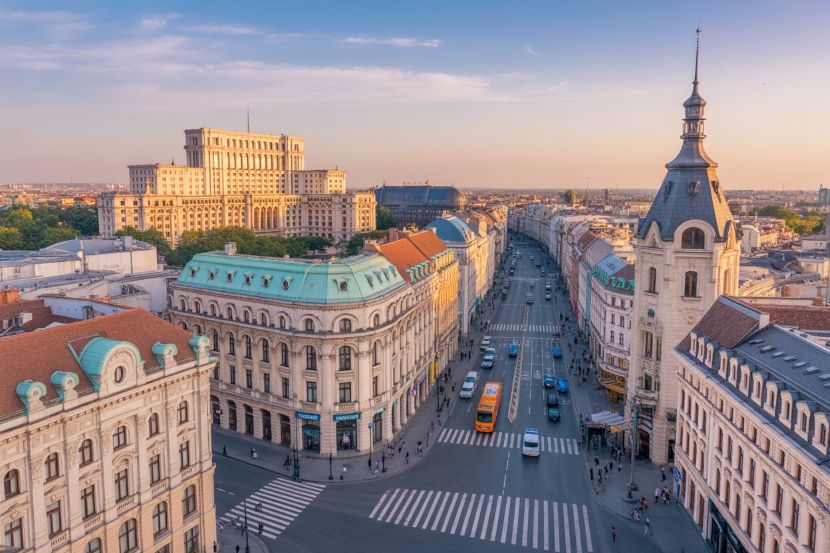
Starting 2026, visitors to Bucharest will face a new tourist tax of RON 10 (around €2) per night on their accommodation bills. The city’s authorities have introduced this tax as part of an effort to boost tourism marketing and enhance the visitor experience in the Romanian capital. While this is a significant step towards increasing tourism revenue, it has raised discussions about its potential impact on the city’s competitiveness in the European market.
The General Council of Bucharest formally approved the tax on December 23, 2025, with implementation set to begin in January 2026. This new tourist levy will apply to all paid accommodations in the city, including hotels, hostels, and short-term rentals like those listed on platforms such as Airbnb. Visitors will pay this additional charge as part of their booking process, either directly to their accommodation provider or through an online platform. The fee is designed to generate funds aimed at promoting Bucharest as a tourist destination.
Local authorities expect the tax to bring in approximately RON 15 million annually (around €3 million), with the funds being directed towards tourism infrastructure, marketing campaigns, and improving visitor services. This will allow the city to invest in enhancing its tourism facilities, preserving historical sites, and further promoting Bucharest to global travellers. By doing so, the city hopes to attract more international tourists and improve the overall tourist experience.
The Reason Behind the Levy
Romanian officials have made it clear that the new tax is part of a broader strategy to develop Bucharest’s tourism sector and elevate its presence on the international stage. The tax aims to make the city more competitive with other European capitals that already implement similar levies to fund tourism promotion and services. Through this move, Bucharest plans to leverage additional resources to strengthen its marketing, especially targeting key international markets.
While the tax may seem small to many, with only €2 added per night, its cumulative effect could significantly contribute to the overall tourism budget, especially given the large number of visitors Bucharest attracts each year. As more tourists flock to the city to explore its vibrant culture, history, and local charm, these extra funds will be essential for maintaining and expanding the city’s infrastructure, which is key to improving the visitor experience.
Industry Concerns
Despite the benefits, the introduction of the tourist tax has sparked some debate, particularly within the local hotel and accommodation industry. Many hospitality businesses, including major hotel chains and independent operators, have voiced concerns about the new charge. The Romanian Federation of the Hotel Industry (FIHR) has expressed dissatisfaction with the lack of consultation prior to the implementation of the tax. Industry representatives fear that this additional cost, even if modest, might discourage potential visitors, especially those on tight budgets, in favor of other European destinations where taxes are lower or non-existent.
Hotel owners have also called for transparency regarding how the funds will be used. Without clear assurances that the revenue will directly benefit tourism services and infrastructure improvements, there is a risk that the tax could create more dissatisfaction than it resolves. As more cities in Europe introduce similar measures, the Romanian government may need to provide more detailed plans on how these funds will be allocated and tracked.
Impact on Tourists
For tourists visiting Bucharest in 2026, the tax will be a minor additional expense. However, over multiple nights, the costs can add up. It is essential for tourists to be aware of this additional fee when budgeting for their trip to the city. Despite this, many visitors may appreciate the added assurance that their money is going towards improving the very services they rely on during their travels.
The tax will be collected by accommodation providers, and platforms like Booking.com and Airbnb will also be responsible for ensuring its inclusion in the final pricing of bookings. This ensures that the system is simple for tourists and doesn’t create additional hurdles for those who have already planned their stays in Bucharest.
Looking to the Future
Bucharest’s new tourist tax is just one piece of a larger plan to grow the city’s tourism industry. While the introduction of the levy may not be universally welcomed, it provides an opportunity to enhance tourism services and build a more competitive destination in the years to come. As the city invests in its infrastructure and global marketing campaigns, visitors can expect a more refined and engaging experience when they visit.
The tourism sector in Bucharest is expected to benefit from greater international exposure, improved facilities, and better promotion through targeted campaigns funded by the new tax. City authorities are optimistic that the tax will lead to long-term gains, not just for the tourism industry but also for the local economy, as the improved infrastructure will attract more visitors to stay longer and spend more.
While the introduction of the RON 10 tourist tax may initially face resistance, its positive impact on the development of Bucharest’s tourism sector cannot be understated. By ensuring funds are allocated towards tourism promotion and infrastructure, the Romanian capital is positioning itself as an increasingly attractive destination for international travellers.
