Russia has formally requested that the United States cease its pursuit of an oil tanker fleeing Coast Guard vessels in the Atlantic Ocean, according to the New York Times.
The diplomatic request, delivered late on New Year’s Eve to the State Department and the White House’s Homeland Security Council, concerns the tanker formerly known as the Bella 1, which has been evading U.S. authorities for nearly two weeks.
The vessel, which originated from Iran and was en route to Venezuela to load oil, refused Coast Guard orders to stop for boarding in the Caribbean Sea and has been sailing back toward the Atlantic ever since.
According to the Times, American officials maintain the ship was flying a false flag when initially approached on December 20, making it a stateless vessel subject to boarding under international law.
In a bid to claim protection, the crew painted a crude Russian flag on the vessel’s hull and radioed the Coast Guard claiming Russian authority. The ship subsequently appeared in Russia’s official Maritime Register of Shipping under a new name—the Marinera—with Sochi listed as its home port.
David Tannenbaum, a former Treasury Department sanctions compliance officer, told the Times that Russia’s “overnight flag registration” validity remains “unclear” under international law. He noted this fits Russia’s pattern of serving as “a sanctuary of last resort for the so-called dark fleet”—vessels transporting oil from Russia, Iran and Venezuela in violation of international sanctions.
The dispute comes as President Trump attempts to negotiate a peace deal between Russia and Ukraine. “Russia’s request that the United States stop chasing the vessel could add a new wrinkle to the negotiations and heighten tensions between the two nations over Venezuela,” the Times reported.
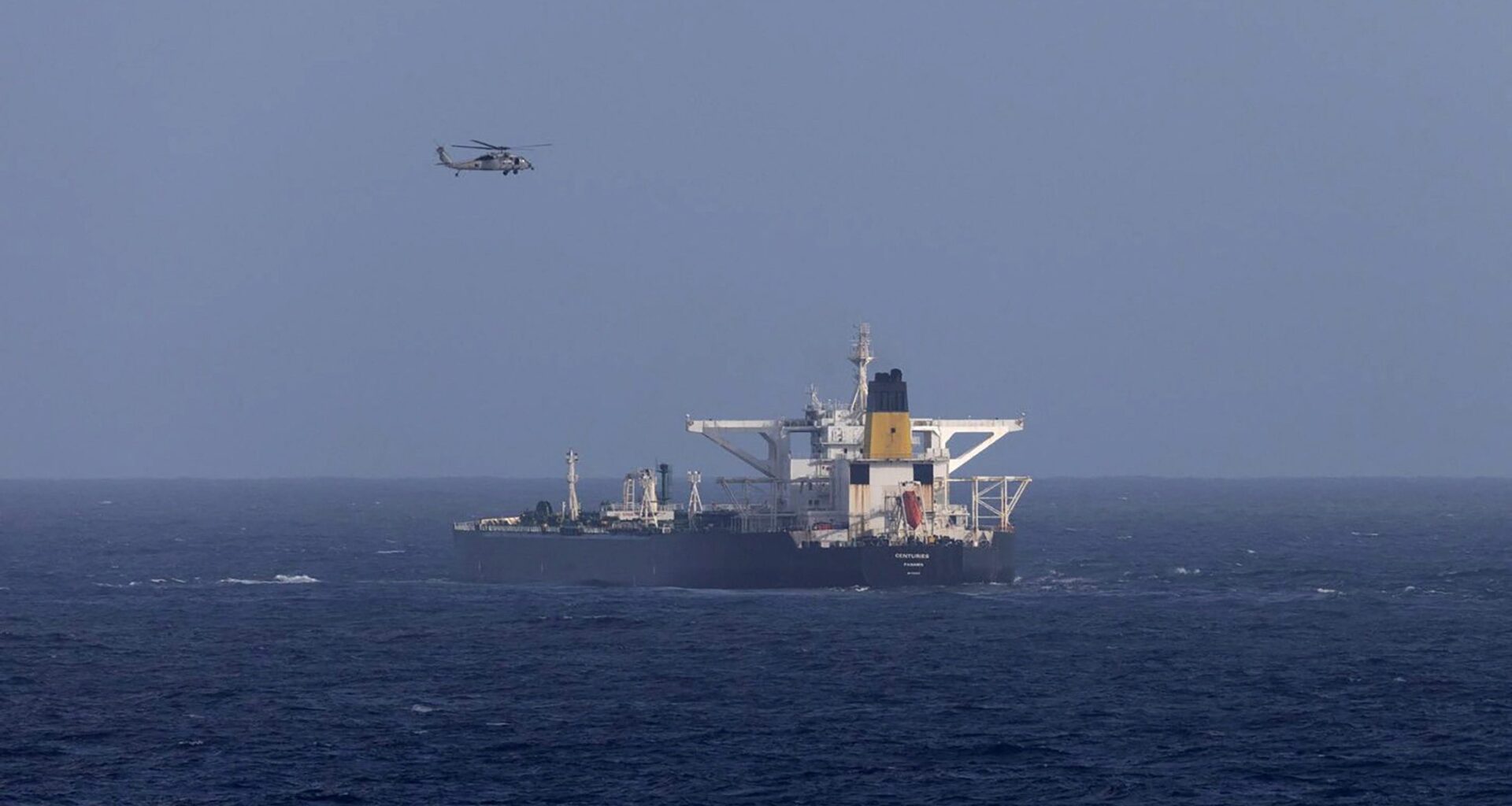
The incident is part of Trump’s broader blockade of Venezuela’s oil industry to pressure President Nicolás Maduro. The United States has already boarded and seized two other tankers involved in Venezuela’s oil trade in December, the Skipper and Centuries.
A U.S. official speaking to the Times on condition of anonymity said the Trump administration continues to view the tanker as stateless because it was flying a false flag when first approached.
The Russian government’s official stance on the vessel remains unclear. The Russian Embassy in Washington did not respond to requests for comment from the Times.
Meanwhile, tracking data from TankerTrackers indicates the vessel now carries a new Russian MMSI number, though the identifier has not yet appeared in the International Telecommunication Union database, leaving its validity unconfirmed.
The Bella 1 had previously cycled through registrations in Panama, Palau, Liberia and the Marshall Islands before its latest Russian registration.

Subscribe for Daily Maritime Insights
Sign up for gCaptain’s newsletter and never miss an update
— trusted by our 107,617 members