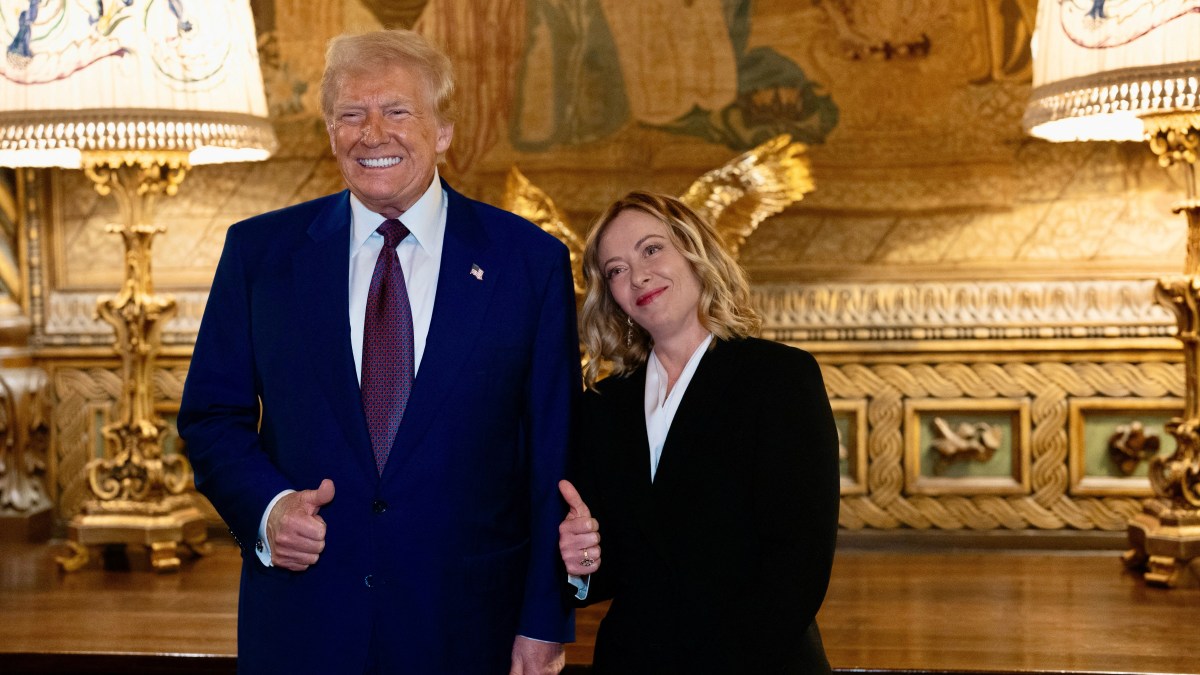
President Trump doesn’t like much beyond quarter pounders, but the grill at his New York tower does offer a range of seasonal pastas to go with the prime steaks and seafood salads. Yet if the US president had had his way in a transatlantic tariff tussle, the prices might have shot up.
On New Year’s Day, however, his administration slashed threatened levies on Italian pasta from 91.74 per cent to as little as 2.26 per cent, prompting a huge sigh of relief from industry representatives who had warned the measure would have lost them their second-biggest export market.
The decision was in part thanks to the intervention of Giorgia Meloni, the Italian prime minister, who prides herself on having Trump’s ear.
• Sign up for The Times’s weekly US newsletter
Lorenzo Castellani, a political scientist at Rome’s Luiss University, said: “It is a political victory for Meloni. Pasta is important in Italy not just economically, but also symbolically, so she can claim she has reduced tariffs on a symbol of Italian identity.”
Trump’s administration announced in September it would apply the additional tariff — on top of the regular 15 per cent tariff on most EU imports — on 13 pasta companies in response to complaints that Italian companies were undercutting American competitors.
The development was a source of embarrassment for Meloni who has cultivated a unique form of culinary nationalism, railing against “Italian sounding” products sold abroad and spearheading a successful attempt last month for Unesco status to be conferred on Italian cuisine.
Francesco Galietti, chief executive of the political risk company Sonar, said: “Any Italian government is beholden to the farmers lobby. Whenever there is a sense of duties imposed on outputs for farmers, it’s a big mess and we had months of fear running deep in the Italian government circles.”
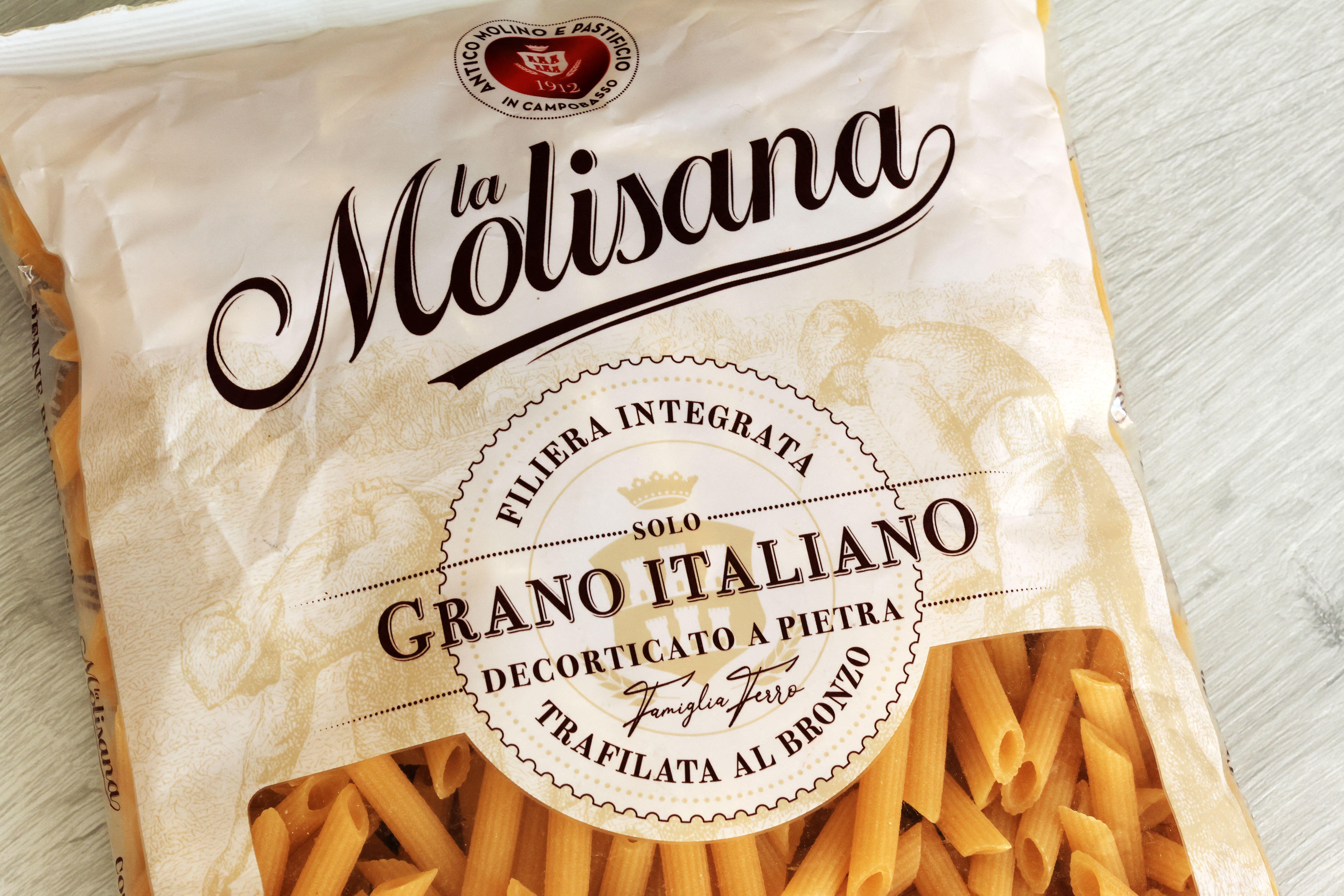
The tariff on products from Molisana will be 2.26 per cent
ALAMY
Sector professionals piled on the pressure for Meloni to intervene, claiming prohibitive prices would cause exports worth €671 million in 2024 to crumble. “It will not be possible to export to the US, and Americans will have to eat pasta made there,” Cosimo Rummo, president of the Rummo pasta company, told La Repubblica at the time.
After facing criticism from the centre-left opposition that her end of year budget failed to address the key problem of Italy’s increasingly poor salaries and high taxes, Meloni enjoyed a boon with news that the US Department of Commerce had agreed to reduce the tariffs on the Molisana company (2.26 per cent), Garofalo (13.98 per cent) and the other 11 producers (9.09 per cent).
Francesco Lollobrigida, the agriculture minister, said: “The good news coming from the United States shows how serious work, without unnecessary alarmism, bears fruit.” He added that he directly followed the matter with Marco Peronaci, the Italian ambassador to the US. “We had sent an important signal: Italian institutions would not abandon Italian pasta producers,” he said.

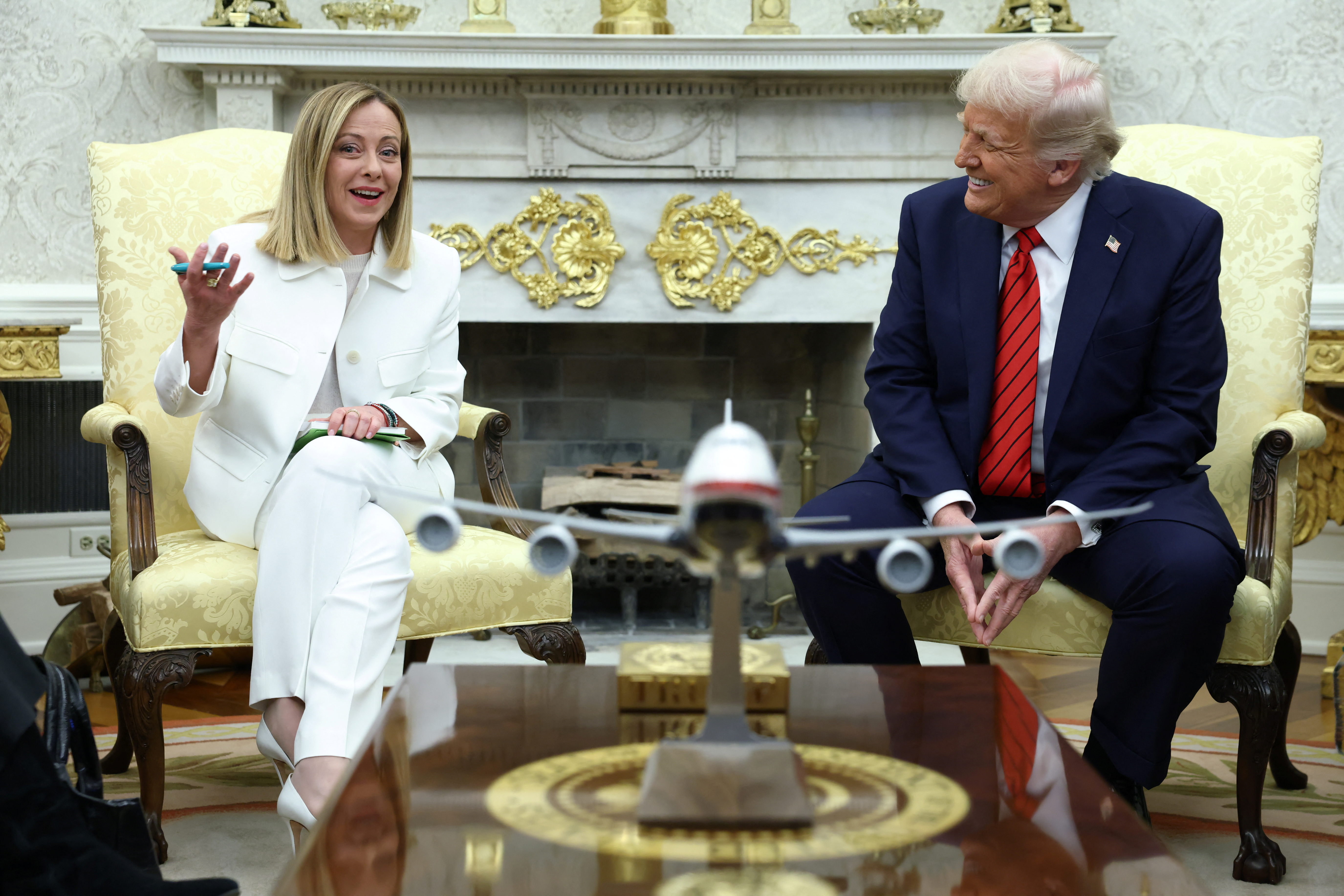
Trump and Meloni at a White House conference in August
ALEX BRANDON/AP
Ettore Prandini, president of the Coldiretti farmer’s lobby, credited Italian government figures for opening a communication channel with Trump, but censured the EU for apparently doing little to help. “I must say that, unfortunately, the slowness of European institutions in this regard continues to leave us quite astonished,” he said.
But Galietti denied that the government achieved the result alone. “Negotiations were handled by the [EU] Commission, as a bloc, and not by individual member states,” he said. “Food identity is a source of national pride, but it is protected by supranational organisations.”
Prandini said he would continue to lobby for all tariffs to be removed. “The work is not finished yet,” he said. “We hope that, in some cases, they can be completely cancelled.”