
Published on
January 3, 2026
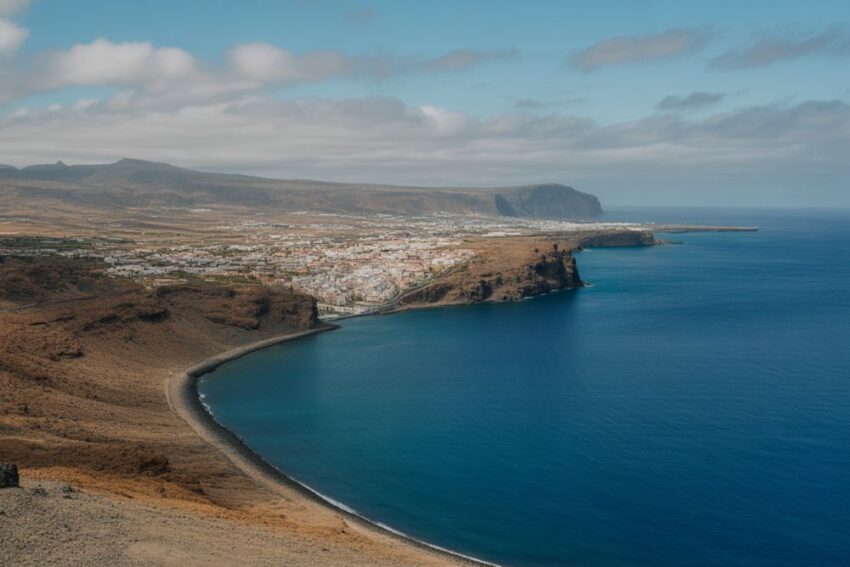
The Canary Islands in Spain, which have always been the most preferred holiday destinations for the British, are now the center of attention as the number of tourists rises continuously. These islands in Spain have been the pleasure ground for millions of whooping visitors every year, with a good chunk of them flying from Bristol airport for sun-drenched holidays. The Canary Islands, besides the steady warmth throughout the year, made to the list of main traveling places with their colorful resorts and short flight times. This unfortunate situation has led to the Canary Islands, among other places, being listed by Fodor’s as No Travel for the year 2026, as a way to draw attention to the places suffering the most due to unrestrained tourist influx.
Tourism Boom in the Canary Islands: Benefits and Burdens
In 2025, the Canary Islands witnessed a significant spike in tourism, with 7.8 million visitors flocking to the archipelago. In addition, airports processed over 27 million passengers in just the first half of the year, marking a 5% increase compared to previous years. This growth in tourism has been instrumental in driving the region’s economy, with the tourism sector contributing to over a third of the Canary Islands’ GDP. Moreover, around 40% of the population relies on the tourism industry for employment, making it a vital source of income.
Despite these positive economic impacts, the rapid expansion of tourism has brought about a series of challenges. Local residents and environmental experts are raising concerns about the growing pressures on infrastructure, natural resources, and housing costs. As the islands become more crowded, traffic congestion has worsened, housing prices have skyrocketed, and the natural environment has begun to show signs of strain. These issues have triggered protests, especially in Tenerife, where thousands of residents have taken to the streets, demanding a more sustainable approach to tourism.
Sustainability Challenges in the Canary Islands
Environmental experts have warned that the rising number of tourists, combined with a warming climate, is creating an unsustainable situation for the Canary Islands. The region’s ecosystems are fragile, and the increased demand for resources, such as water, is exacerbating the challenges faced by local communities. Additionally, the tourism boom has contributed to higher rental prices, making it increasingly difficult for locals to afford housing. The economic benefits of tourism, while significant, often do not reach the local population in a meaningful way, leaving many residents feeling disconnected from the prosperity that tourism brings.
Fodor’s No Travel list serves as a gentle nudge for travellers to consider alternative destinations. The list is not a call for a boycott, but rather an effort to highlight areas where tourism is placing undue pressure on the environment and local communities. Fodor’s notes that the Canary Islands, while still a popular and valuable destination, are struggling with overtourism and the associated consequences. The guide encourages tourists to give a rest to locations that clearly need time to recover.
A Lifeline or a Burden?
For many locals, tourism is both a lifeline and a burden. While the influx of visitors provides much-needed revenue, it also comes with significant costs. The reliance on tourism has made the Canary Islands vulnerable to fluctuations in the global travel market, and the impact of mass tourism is increasingly being felt in everyday life. Local protests against the tourism model in Tenerife, in particular, highlight the growing frustration with a system that is seen as benefiting tourists more than the local community.
Experts argue that a more sustainable approach to tourism is necessary to ensure that the Canary Islands can continue to thrive without compromising the well-being of its residents and the preservation of its natural beauty. Suggestions for improvement include limiting the number of visitors during peak seasons, promoting eco-friendly tourism initiatives, and investing in infrastructure that can support a higher volume of tourists without damaging the environment.
Looking Ahead: Balancing Growth and Sustainability
As the Canary Islands prepare for 2026, the future of tourism in the region remains uncertain. While tourism will undoubtedly continue to play a key role in the local economy, there is a growing recognition that changes are needed to ensure its long-term sustainability. The protests and concerns raised by local residents are a clear signal that the current model of mass tourism is no longer tenable. The Canary Islands, like many popular destinations around the world, are at a crossroads, and finding the right balance between growth and sustainability will be crucial to their future success.
In the coming years, it is likely that the Canary Islands will focus on finding solutions that allow them to continue attracting visitors while protecting their environment and preserving the quality of life for local residents. Whether through new policies, initiatives, or a shift in the tourism model itself, the islands must adapt to the changing landscape of global travel. For now, though, Fodor’s No Travel list serves as a stark reminder that destinations under pressure may need a break before they can fully recover.
A Moment for Reflection
The Canary Islands, which have been a favorite holiday spot for the British for a long time, are currently experiencing the downside of their own success in the tourism sector. Mass tourism protests are heard more and more, and critical sustainability concerns have put the islands in a spot where they have to decide which way to go. Fodor’s suggests that it is time to take a break, a moment to rethink the consequences of tourism on these gorgeous but also very fragile islands. The future of the Canary Islands will be determined by how well they manage to keep their allure and beauty intact and at the same time, turn into a sustainable destination for the next generations.
