PUBLISHED : 3 Jan 2026 at 08:40

Small
Medium
Large
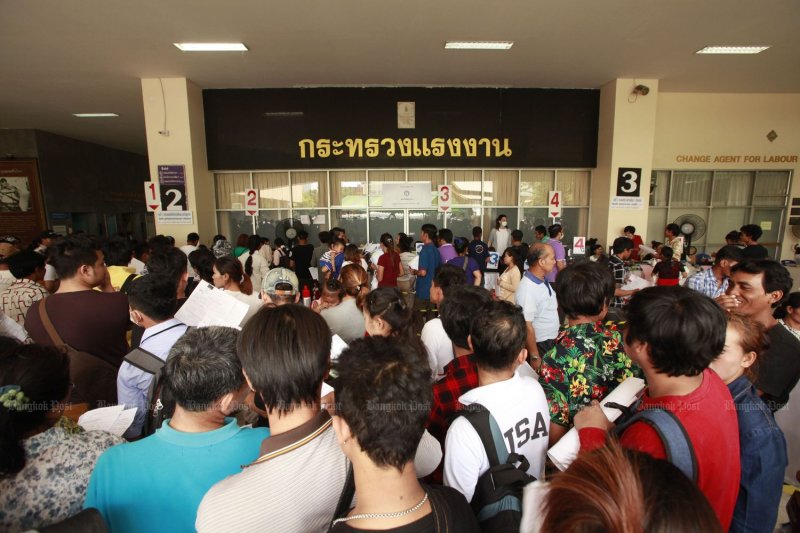
The migrant labour situation in 2025 was described as “a year of management failure”, with constant ministerial changes, weak policy direction and persistent structural flaws leaving millions of migrants vulnerable to crises, says the Migrant Working Group (MWG).
Speaking at a briefing to mark International Migrants Day 2025 at the Foreign Correspondents’ Club of Thailand, Roisai Wongsuban said the country changed its labour minister three times over the year without producing any clear or effective policy to deal with pressing problems.
She cited the collapse of the State Audit Office (SAO) building, the mass return of Cambodian workers amid Thai–Cambodian tensions that hit sugarcane, longan and construction sectors, and corruption cases in migrant registration as examples of how poor management directly hurt the economy.
Although the number of legally registered migrant workers has now risen to about 3.65 million, she said, only 1.4 million or so are covered by social security, meaning over half remain excluded from critical welfare when disaster strikes, such as deaths and disability from the quake-triggered building collapse or income losses during the recent Hat Yai floods.
Documentation inconsistencies between workers, real employers and brokers block access to compensation, she said, adding the Labour Ministry has shown little effort to reform the system. She urged the government to modernise migrant employment procedures, improve data transparency, ensure flexibility — particularly scrapping the rigid “one employer–one worker” model that fails seasonal industries — and counter social media misinformation that fuels public hostility.
With the election expected on Feb 8, she also urged the Election Commission to monitor parties exploiting migrant issues for populist attacks. Meanwhile, Worachai Snansuk of the Raks Thai Foundation highlighted the human cost exposed by the SAO building collapse, which killed 95 people, many of them migrant workers, and left a lot of families facing debt, trauma, insecure legal status and gaps in compensation.