Published on
January 3, 2026
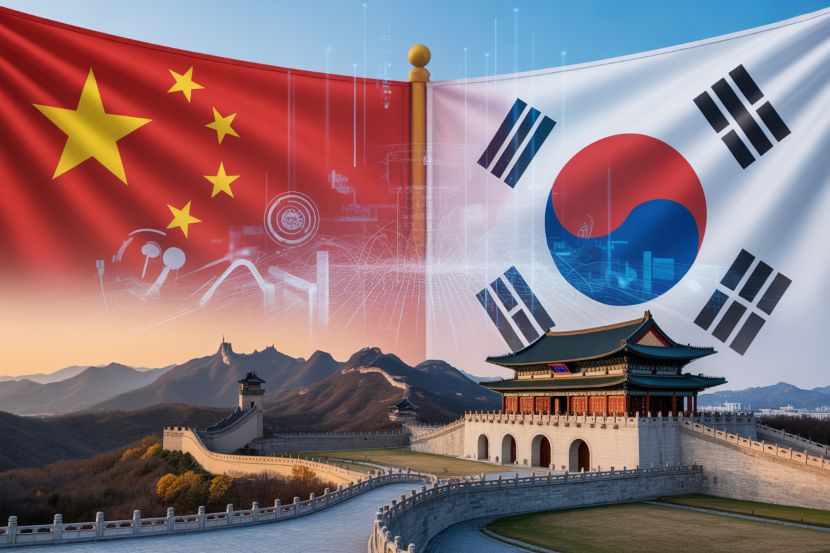
In a pivotal moment for East Asian diplomacy, China and South Korea are setting the stage for a strengthened partnership amidst growing tensions with Japan over Taiwan. Beginning Sunday, President Xi Jinping of China will host South Korea’s President Lee Jae Myung in Beijing, marking a significant state visit aimed at improving economic collaboration and diplomatic ties between the two nations. With rising tensions between China and Japan, this high-profile visit is seen as a key move to realign South Korea’s position in the region. The meeting is scheduled to address critical issues ranging from technology cooperation to supply chain management, with a particular emphasis on boosting bilateral trade, tourism, and investment.
This diplomatic visit carries broader implications not only for politics but also for the tourism industry. South Korea, a country known for its vibrant cultural heritage, could see further growth in Chinese tourism as the two countries look to enhance economic partnerships. With China being South Korea’s largest trading partner, the reestablishment of stronger ties promises to create opportunities in sectors like technology, artificial intelligence, and green energy—all of which have the potential to attract more travelers interested in innovation and new business partnerships.
Diplomatic Visit Set to Deepen Economic Cooperation
As South Korea looks to navigate its relationships with both the United States and China, President Lee’s visit to Beijing represents a strategic shift. After a period of strained relations under his predecessor, Yoon Suk Yeol, who leaned closer to Washington and Tokyo, President Lee has expressed a desire to “restore” ties with China, underscoring the importance of economic stability and cooperation.
This visit is timely, occurring just before President Lee’s scheduled meeting with Japanese Prime Minister Fumio Kishida. With tensions surrounding Taiwan escalating, China is keen to assert its importance as South Korea’s key economic partner. The visit is viewed as part of a broader strategy to highlight the importance of Chinese relations and to balance Seoul’s delicate positioning between two powerful neighbors.
The economic discussions are expected to focus on enhancing supply chains that are critical to both nations’ economic growth. As China and South Korea explore new business partnerships, the growing demand for innovation, particularly in artificial intelligence and smart manufacturing, could lead to further tourism growth. With the opportunity to explore business-driven tourism, travelers may find themselves attending conferences or exploring regions known for technological advancements.
Tensions with Japan Cast a Shadow on Diplomatic Ties
The diplomatic thaw between South Korea and China comes at a time of heightened tensions with Japan, especially following remarks by Japanese officials suggesting potential military responses to a Chinese incursion over Taiwan. This has sent ripples across the region, leaving South Korea in a delicate diplomatic position. As China and Japan engage in their own complex geopolitical rivalry, South Korea finds itself trying to balance its alliances and neutralize the potential fallout of such diplomatic disputes.
For travelers, this geopolitical tension may create opportunities to visit new areas of South Korea and China that were previously less accessible due to political tensions. As both countries focus on rebuilding economic and cultural relations, travelers can expect improved accessibility, not only through trade routes but also through more direct flight connections and streamlined visa policies.
South Korea Strikes a Balance Between Allies and Neighbors
President Lee’s administration aims to strike a balance between its U.S. alliance and China‘s rising influence, particularly as North Korea remains a constant source of uncertainty. With about 28,500 U.S. troops stationed in South Korea, the U.S.-South Korea defense relationship remains a cornerstone of regional security. However, with North Korea’s unpredictable actions and growing challenges in the South China Sea, South Korea faces increasing pressure to maintain open dialogue with China.
The diplomatic meeting between Xi and Lee offers a glimpse into South Korea’s new approach, with an eye on creating a harmonious environment for both economic and cultural exchanges. For travelers, this reorientation of foreign policy could provide new tourism opportunities as South Korea attracts more visitors from China, in addition to fostering a more favorable climate for cross-cultural experiences.
Key Tourism and Trade Insights for Travelers
The diplomatic pivot is set to create new travel and business opportunities for tourists seeking cultural experiences, high-tech exhibitions, and business ventures. Travelers to South Korea can expect to witness an increasing emphasis on AI-driven innovations, smart tourism infrastructures, and sustainable energy projects. As the two nations deepen their ties, the tourism sector will likely benefit from new visa facilitation measures, allowing smoother travel for business professionals and leisure tourists alike.
With both nations investing in high-tech infrastructure, tourism hubs like Seoul and Shanghai will see a surge in visitors looking to engage with emerging markets and cutting-edge tech developments. As South Korea’s diplomatic stance becomes more aligned with China, it will open doors for new business and tourism ventures that capitalize on these mutual economic interests.
The Road Ahead for South Korea-China Relations
Looking ahead, South Korea and China are poised to expand their ties even further, particularly in the realms of cultural exchange, tourism collaborations, and technological cooperation. Travelers visiting Seoul and Beijing can expect enhanced tourism packages and joint initiatives aimed at fostering deeper cultural understanding and trade.
However, the delicate balance that South Korea is maintaining between its U.S. ties and its Chinese relations will continue to shape the future of these partnerships. For tourists, this diplomatic maneuvering may lead to even more exciting travel opportunities as both nations work to promote cross-cultural exchanges, making the East Asian region a hotspot for tech-savvy travelers and business professionals.
Travel Tips for Those Visiting South Korea and China
Explore Seoul’s Emerging Tech Scene: South Korea is investing heavily in smart cities and AI technologies. For tech enthusiasts, a visit to Seoul’s innovation hubs is a must.
Tourist Destinations with Historical Significance: While in China, don’t miss a trip to Xi’an for its historical landmarks or the booming metropolis of Shanghai for a taste of futuristic city planning.
Visa Options for Business and Tourism: Check updated visa policies for business travelers and tourists, as South Korea and China work to streamline travel procedures.
Enhanced Flight Connectivity: Expect new routes and easier access between key cities like Beijing and Seoul as diplomatic relations improve.
