A senior Uzbek lawmaker has called on labor migrants to leave Russia immediately following the death of an Uzbek citizen during a raid by Russian riot police in Khabarovsk.
The incident has reignited debate over the deteriorating conditions faced by Central Asian migrants in the Russian Federation and the growing use of force by security agencies, The reports, citing Uzbek media.
The tragedy occurred on December 12, 2025, in Khabarovsk, where Russian OMON officers conducted a security raid. According to media reports, several Uzbek nationals were severely beaten during the operation. Two of the victims fell into a coma, and one of them later died without regaining consciousness. An official investigation is ongoing, but the incident has already sparked strong political and diplomatic reactions.
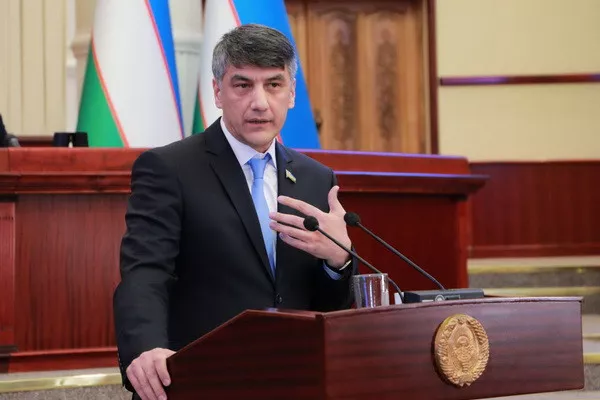
Responding to the reports, Alisher Kadyrov, a member of the Oliy Majlis and leader of the Milliy Tiklanish party, issued a blunt warning to Uzbek citizens working in Russia. He said the situation for labor migrants is set to worsen and called on them to leave the country as soon as possible.
“Use common sense and leave Russia as soon as you can. No amount of money is worth the tears of your parents and children,” Kadyrov said. He added that Russian law enforcement agencies increasingly view migrants from Central Asia not as an economic resource, but as a security threat.
His remarks come amid a noticeable rise in reports of police raids, detentions, and harsh treatment of migrant workers across Russia. Analysts note that migration policy has become increasingly securitized, particularly against the backdrop of domestic pressures, manpower shortages, and heightened internal controls. This shift has had a direct and often brutal impact on foreign workers, especially those from Central Asia.
Uzbekistan’s Foreign Ministry has also reacted to the incident. According to official statements, diplomatic notes were sent to Russian investigative and law enforcement bodies requesting a thorough and impartial investigation into the death of the Uzbek citizen. The Uzbek Consulate General in Vladivostok has taken the case under diplomatic supervision and is providing assistance to the victim’s family, including arrangements for the repatriation of the body.
Within Uzbekistan, Kadyrov’s statement has provoked mixed reactions. Many social media users expressed support, arguing that violence and humiliation against migrants in Russia have become increasingly common. Others, however, cautioned that a mass return of labor migrants could have serious economic consequences, as remittances from Russia remain a crucial source of income for thousands of Uzbek families.
Experts argue that the Khabarovsk case is not an isolated incident but part of a broader pattern. As Russia faces mounting economic strain, sanctions pressure, and internal mobilization challenges, migrants are often treated as expendable and vulnerable targets. At the same time, effective mechanisms to protect their rights remain weak or largely symbolic.
The political dimension of the issue is also gaining importance. Increasingly sharp statements from Central Asian politicians reflect growing frustration over how their citizens are treated in Russia. If such incidents continue, analysts warn, they could eventually affect bilateral relations and labor migration agreements between Moscow and countries in the region.
The investigation into the death of the Uzbek migrant in Khabarovsk is still underway, and Russian authorities have yet to present final conclusions. However, the public outcry has already extended beyond a single criminal case. Kadyrov’s call to “leave Russia” has become a powerful symbol of mounting anxiety over the future of millions of labor migrants amid an increasingly hostile and unpredictable environment.