Published on
January 4, 2026
Canada Warns Citizens to Avoid Venezuela: U.S. Military Strikes Cause Massive Flight Disruptions — Air Canada, Delta & American Airlines Affected! As the political and military crisis in Venezuela intensifies, Canada has issued a stark travel advisory, urging its citizens to avoid all non-essential travel to the country. This comes after U.S. military strikes have escalated tensions, sparking widespread instability and security concerns across the nation. In the wake of these developments, the aviation industry is feeling the pressure, with major carriers like Air Canada, Delta, and American Airlines facing significant disruptions. Flights to and from Venezuela are being canceled or rerouted due to FAA airspace restrictions, leaving travelers stranded in airports across the region. The ripple effects of this crisis extend far beyond just flight delays. Venezuela’s once-thriving tourism sector is facing a collapse, and the hospitality industry is seeing a sharp decline in bookings as tourists cancel their trips or redirect their plans to neighboring destinations. With U.S. airstrikes targeting key infrastructure and Canada’s urgent warning, global travelers are left grappling with uncertainty, making it essential to stay informed about the latest developments. As tensions mount, the impact on the airline and tourism industries cannot be understated, with both facing an uncertain future. Whether you’re a tourist planning to visit or a business traveler caught in the chaos, the stakes have never been higher. Stay tuned for more on how this crisis is reshaping the landscape of international travel.
Canada Warns Citizens to Avoid Venezuela: U.S. Military Strikes Cause Massive Flight Disruptions — Air Canada, Delta & American Airlines Affected!
In an unprecedented move, Canada has issued a travel warning urging all citizens to avoid traveling to Venezuela. This alert follows a wave of U.S. military strikes in Venezuela, which has not only escalated security concerns but also led to major disruptions in air travel. Air Canada, Delta, and American Airlines are among the carriers most affected by this situation, and the turbulence within the airline and hospitality industries is only expected to worsen. The travel advisory is a stark reminder of how political and military tensions can create ripple effects throughout the tourism industry. Here’s everything you need to know about how the ongoing crisis in Venezuela is impacting global travel, airlines, and hospitality sectors.
Travel Alert: Canada Urges Citizens to Avoid Venezuela Due to Ongoing Instability
The Government of Canada has heightened its travel advisory for Venezuela due to escalating instability. The advisory urges all Canadian citizens to avoid non-essential travel to the country, warning of unpredictable security risks, violent crime, and potential border closures. The situation is primarily driven by U.S. military strikes targeting key locations in Caracas, which have resulted in heightened tensions between the U.S. and Venezuela. These strikes are reported to have disrupted Venezuelan airspace, making it unsafe for travel. Canada’s Foreign Affairs department has also warned that embassy services are limited, further complicating travel plans for Canadians already in the country.
Venezuela has long been a popular destination for adventure tourists, especially those interested in exploring Angel Falls, the world’s highest uninterrupted waterfall, and the diverse landscapes of the Venezuelan Amazon. However, as the political situation has worsened in recent years, travel advisories have become more frequent, with several countries — including the United States and the United Kingdom — already advising their citizens to avoid travel to Venezuela.
U.S. Military Strikes Cause Massive Flight Disruptions
The U.S. military strikes in Venezuela have thrown a wrench into what was already a volatile air travel situation. With ongoing strikes affecting key infrastructure, such as airports and air traffic control systems, flights in and out of Venezuela have been severely disrupted. U.S. carriers, including Delta, American Airlines, and United, have canceled dozens of flights to and from Venezuela, citing safety concerns related to the military operations. In addition to these cancellations, other airlines operating in the region, including Air Canada, have had to reroute flights to avoid Venezuelan airspace, resulting in significant delays and increased operational costs.
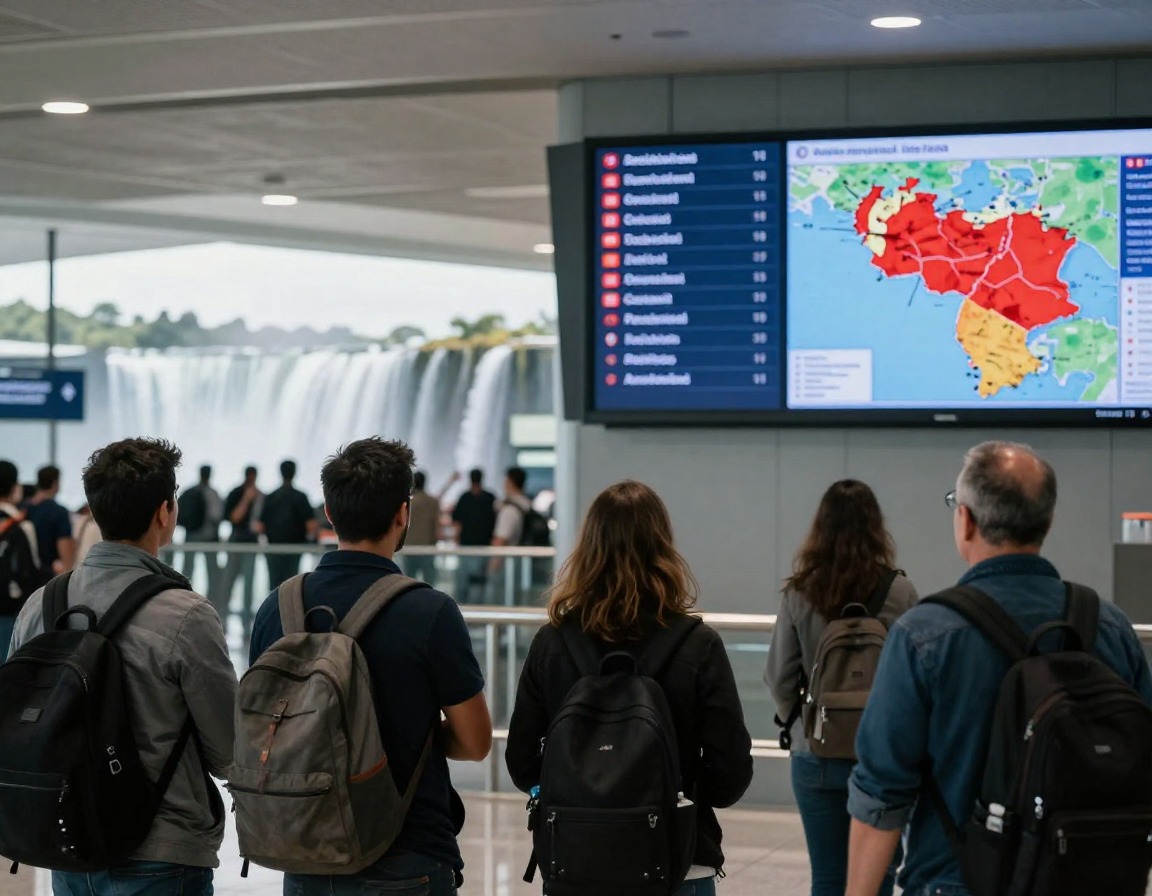
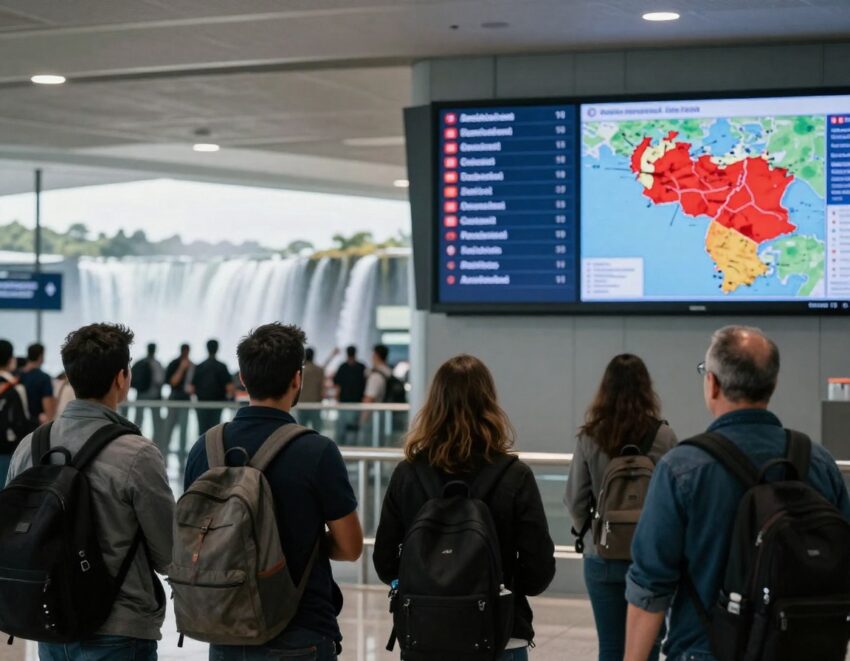
The Federal Aviation Administration (FAA) has imposed restrictions on U.S. commercial flights flying over Venezuela’s airspace due to security risks. This decision has caused a ripple effect throughout the aviation industry, as carriers attempt to minimize operational risk. For passengers, this means unpredictable flight cancellations and an increase in flight rebooking fees. Many travelers have found themselves stranded in airports across Latin America and the Caribbean, as flights are either delayed or rerouted to avoid conflict zones.
The costs associated with these disruptions are not limited to passengers. Airlines have reported increased fuel expenses due to the longer flight paths required to avoid Venezuelan airspace, adding to the financial burden on the aviation industry. Additionally, travelers are facing higher rebooking fees as airlines struggle to accommodate displaced passengers. These costs will likely be passed on to consumers in the form of higher ticket prices and additional service charges.
Airlines Feeling the Impact: Air Canada, Delta, and American Airlines Affected
Several major airlines, including Air Canada, Delta, and American Airlines, are feeling the immediate effects of the Venezuelan crisis. These airlines are seeing massive disruptions to their flight schedules, with canceled flights, delays, and route diversions becoming more frequent.
Air Canada, in particular, has implemented a flexible rebooking policy to assist passengers affected by the crisis. Travelers with bookings to Venezuela and other Caribbean destinations affected by the U.S. military action have been given the option to rebook their flights without additional fees. This move is an attempt to mitigate customer dissatisfaction amid the chaos that has disrupted air travel to the region.
Similarly, Delta Airlines and American Airlines have both announced waivers for affected passengers. These waivers allow travelers to change their travel dates or routes without the usual penalty fees. However, due to limited availability of alternative flights, passengers are facing longer wait times to rebook their travel.
The Impact on the Hospitality Industry: Venezuela’s Tourism Sector Faces Collapse
The hospitality industry in Venezuela is also bearing the brunt of the crisis. As airlines cancel flights and the Canadian travel advisory is amplified, hotel bookings and tourist activities in Venezuela have plummeted. Tourism, once a key source of revenue for the country, is now at a standstill. Hotels and resorts in Caracas, Margarita Island, and other popular tourist destinations are seeing dramatic declines in bookings.
For tourists who have already booked vacations or business trips to Venezuela, many are forced to cancel or postpone their plans, adding to the financial strain on the hospitality sector. Major hotel chains, such as Marriott, Hilton, and InterContinental, have already scaled back their operations in Venezuela in response to the declining demand and increased safety concerns. Local hotels that cater to adventure tourism, particularly those near Angel Falls and the Orinoco River, are also feeling the economic pinch.
This shift is being felt in the broader Caribbean region as well. As airlines re-route flights and cancel services, the tourism industry in neighboring countries such as Colombia, Aruba, and Puerto Rico is seeing an influx of displaced travelers, leading to a surge in hotel occupancy in these countries. However, this increase in demand has also resulted in higher hotel prices, as the local hospitality industry struggles to accommodate the unexpected surge of stranded tourists.
Travel Tips for Tourists Affected by the Crisis
For those with existing travel plans to Venezuela, it’s crucial to stay updated on the latest information regarding flight cancellations and security advisories. Here are some important travel tips:
Monitor Government Advisories: Regularly check official government travel advisories from Canada, the U.S., and your home country. These advisories will provide the most accurate and up-to-date information on the safety of traveling to Venezuela.Consider Rebooking with Flexibility: If you have a flight booked with Air Canada, Delta, or another carrier affected by the crisis, reach out to the airline to see if they are offering flexible rebooking options or waivers for passengers.Ensure Travel Insurance Covers Crisis Situations: If you are still planning to visit Venezuela or other affected countries, make sure your travel insurance covers cancellations, delays, and emergency evacuations related to political unrest or military action.Stay in Touch with Your Hotel: If you have hotel reservations in Venezuela, confirm whether they are still operational or if your booking can be moved to a safer destination. Some hotels may offer refunds or alternative accommodations in the event of cancellations.Prepare for Extended Delays: Given the uncertainty around air travel, it’s wise to prepare for extended delays and unpredictable travel conditions. Pack light to avoid additional baggage fees and make sure you have essential items on hand.Rebook Flights to Neighboring Countries: If you’re stuck in the region, look into flights to nearby countries such as Colombia or the Dominican Republic. These countries are seeing increased availability of direct flights and hotel accommodations as a result of the influx of stranded tourists.How the Crisis Is Changing Tourism in Latin America
The Venezuelan crisis is not only affecting the country’s tourism sector but also shaping the travel landscape in neighboring Latin American countries. With increased demand for flights and accommodations in countries like Colombia, Panama, and the Dominican Republic, travelers are being advised to plan ahead if they’re considering visiting these destinations.
Airlines that were once focused on serving Venezuela as a primary destination are now rerouting their flights, and tourist attractions in neighboring countries are seeing record-high foot traffic. Cultural sites, beach resorts, and eco-tourism destinations in the Caribbean are preparing for the influx of tourists displaced by the Venezuelan travel ban.
What the Future Holds for Venezuela’s Tourism Industry
The future of Venezuela’s tourism industry remains uncertain, with much of the country’s infrastructure in disrepair and the political climate highly unstable. However, hope for recovery still exists if the country can stabilize in the long run. For now, the immediate impact is clear — tourists must avoid traveling to Venezuela until the situation improves.
As the region watches Venezuela closely, the international community must prepare for further disruptions to travel as a result of the ongoing military conflict. Airlines and hospitality businesses must adapt to a new normal, with flexible policies and quick responses to the shifting dynamics of global travel.
Whether you are planning a vacation, business trip, or connecting through Caracas, make sure you stay informed and prepared for the rapidly changing situation.
