Published on
January 4, 2026
Europe’s landscape for travel in 2026 is evolving rapidly, with new cities, emerging regions, and hidden gems rising to the top. While classic destinations like Paris and Rome remain popular, a growing number of travellers are turning to lesser-known places that offer authentic experiences, stunning landscapes, and rich cultural histories. These rising stars are becoming essential additions to any European travel itinerary for 2026.
Cities such as Warsaw and Seville are becoming prominent travel hotspots due to their unique blend of modernity, history, and revitalisation efforts. While North Macedonia is quietly making a name for itself, Ljubljana and Madeira are emerging as attractive alternatives for those seeking quieter, sustainable travel experiences. These regions highlight the latest travel trends: sustainability, authenticity, and off-the-beaten-path exploration.
Seville: A Cultural Renaissance in Spain
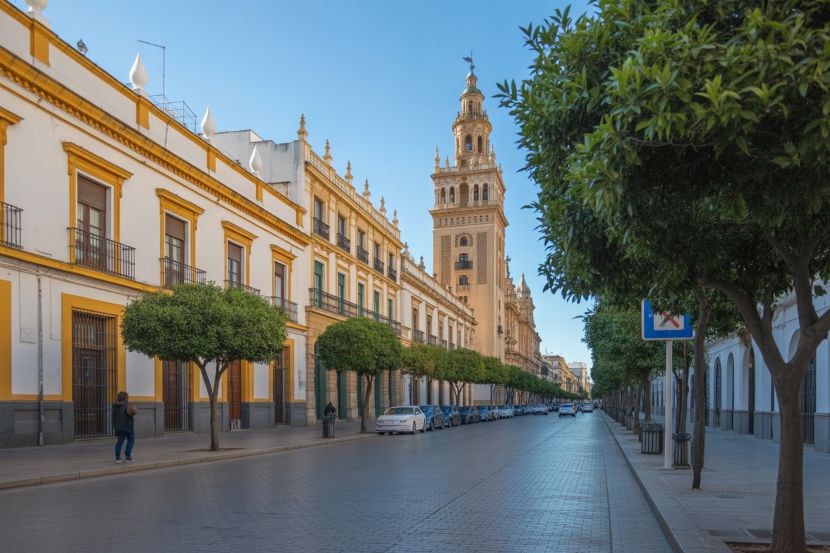
Seville is leading the way as a must-visit destination for 2026, with its rich cultural history and emerging arts scene making it a top pick for cultural tourists. While many have admired Seville’s traditional Spanish charm, the city is now experiencing a cultural revival, with exciting developments in its art, food, and architecture. The city’s growing design and cultural festivals, along with its vibrant flamenco scene, make it a compelling travel option for 2026. Moreover, the revitalisation of historic areas, along with its eco-friendly initiatives, is drawing the attention of sustainability-conscious travellers.
Warsaw: Poland’s Dynamic Capital is Rising
Warsaw, Poland’s bustling capital, has increasingly gained traction among tourists for its combination of deep-rooted history and vibrant modern culture. The city, which faced considerable damage during World War II, has undergone a remarkable transformation. Today, it offers a perfect mix of contemporary architecture, cultural landmarks, and thriving food and art scenes. Warsaw’s dynamic spirit, coupled with its accessibility and low-cost offerings, places it high on the list of emerging European destinations in 2026.
Brighton: The UK’s Creative Coastal Hub
Known for its quirky charm and artistic vibe, Brighton, located on the southern coast of the UK, is becoming an increasingly popular destination for those seeking a creative, lively atmosphere. The city’s unique combination of Victorian-era architecture, vibrant arts culture, and stunning seaside views makes it an essential part of the UK’s evolving travel landscape. With an abundance of festivals, music events, and pop-up art galleries, Brighton is a city that consistently offers new experiences. It is a perfect destination for travellers looking for a balance of relaxation and cultural enrichment in 2026.
Madeira: Portugal’s Tranquil Paradise
Madeira, an archipelago off the coast of Portugal, continues to be a rising star in Europe’s tourism scene. Known for its temperate climate, lush landscapes, and exceptional hiking trails, Madeira offers a peaceful retreat for nature lovers. As sustainable travel becomes increasingly important to tourists, Madeira’s dedication to eco-tourism and its focus on preserving natural beauty while offering unique experiences make it a great pick for 2026. Whether exploring the Laurisilva forest or enjoying the stunning coastline, Madeira’s tranquility attracts those seeking respite from the bustling tourist hotspots.
North Macedonia: A New European Gem
Hidden in the heart of the Balkans, North Macedonia is quickly becoming one of Europe’s most exciting travel destinations. Cities like Skopje offer visitors a fascinating mix of Ottoman, Byzantine, and Roman influences, all nestled within a scenic landscape. The tranquil Lake Ohrid is another jewel of the country, boasting crystal-clear waters, ancient monasteries, and hiking trails. With low costs and unspoiled natural beauty, North Macedonia is perfect for adventurous travellers looking to explore Europe’s lesser-known treasures in 2026.
Ljubljana: Slovenia’s Sustainable Capital
Slovenia’s capital, Ljubljana, is a perfect example of how sustainability and urban life can coexist harmoniously. With its green spaces, eco-conscious infrastructure, and vibrant cultural life, the city has garnered international acclaim for its commitment to sustainable living. Whether enjoying the old town’s charm, the unique architecture, or the renowned Ljubljana Castle, visitors are sure to be captivated by the city’s allure. The recent addition of bicycle-sharing programs and car-free zones further enhances Ljubljana’s appeal to environmentally-minded travellers in 2026.
Skopje and Ohrid: North Macedonia’s Ancient Heart
Beyond Skopje, Ohrid is another North Macedonian gem. Known as the “Jerusalem of the Balkans,” this UNESCO World Heritage site is famous for its medieval churches, monasteries, and ancient ruins. It is an idyllic destination for those looking to immerse themselves in history, spirituality, and nature. As interest in off-the-radar destinations grows in 2026, Ohrid stands out as a place of serenity and deep cultural significance.
Europe’s 2026 Travel Landscape Is Set for Change
As travellers look for new experiences in 2026, destinations like Seville, Warsaw, Brighton, Madeira, and Ljubljana are redefining Europe’s tourism map. These regions offer a blend of rich history, culture, sustainability, and tranquillity that cater to the evolving needs of today’s traveller. Whether seeking vibrant city life, remote natural beauty, or cultural immersion, these destinations will offer unforgettable experiences in 2026.
