117Germany’s Christian Social Union (CSU) in Bavaria is pushing forward an ambitious plan to tighten the country’s immigration laws and begin the mass deportation of Syrian migrants following the end of the civil war in Syria, according to a leaked internal document from the party’s parliamentary faction.
The proposals, which signal a marked shift in German refugee policy, reflect growing unease across Europe with the social and security implications of large-scale immigration.
The document, prepared during a recent CSU party meeting in Bavaria, asserts that Syrians holding temporary residence permits no longer require protection now that the conflict in their homeland has ended. Around 667,000 Syrians in Germany fall into this category, out of a total of nearly 950,000 Syrian nationals residing in the country as of 2025. If enacted, the plan would place these individuals at risk of deportation.
According to Kurdish news outlet Rudaw, the CSU aims to make 2026 a “turning point” in German migration policy, using regular commercial flights to return those unwilling to leave voluntarily. To facilitate this, the party is calling for federal deportation centres and a dedicated hall at Munich airport, designed specifically to process and dispatch deportees efficiently.
The proposals have sparked intense debate, exposing a fault line in German politics. While Chancellor Olaf Scholz’s administration has traditionally defended the principles of open-door asylum, the rise of right-wing movements has intensified pressure to review the country’s refugee policy. In Bavaria, the CSU has positioned itself as the party willing to confront what it sees as the long-term consequences of mass migration.
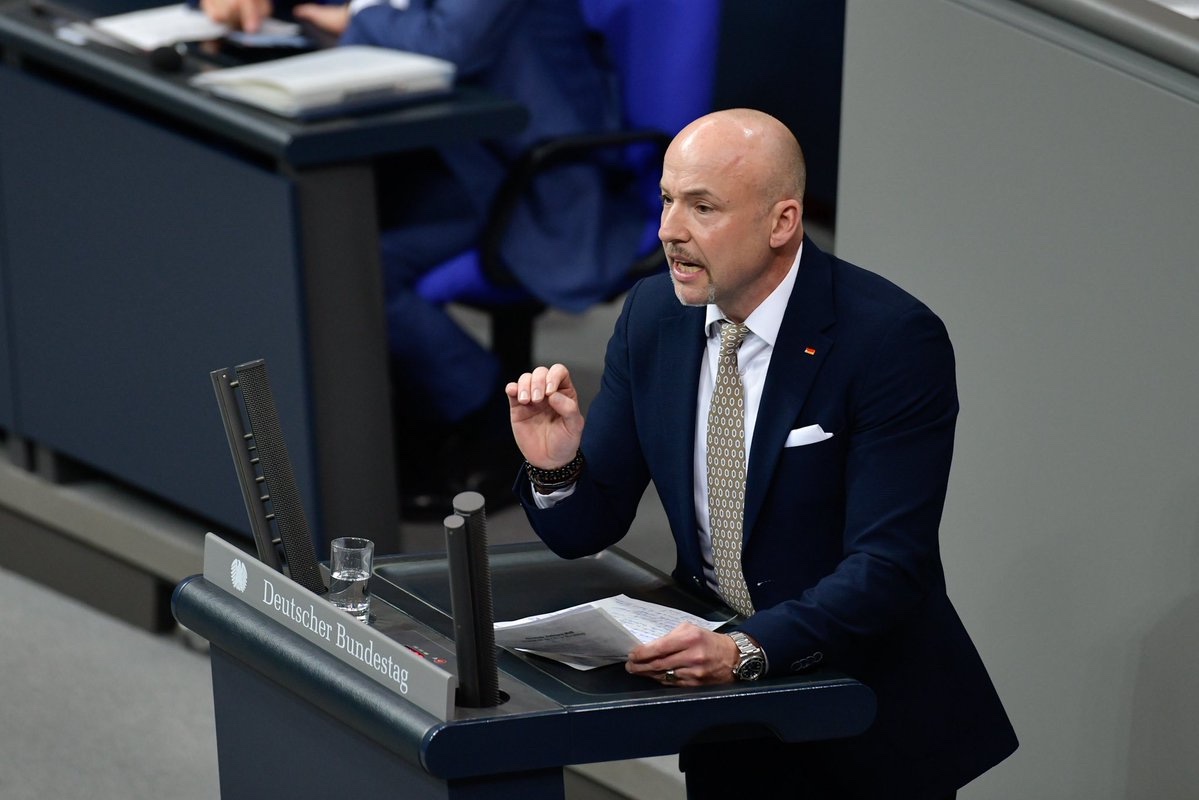
Alexander Hoffmann, head of the CSU parliamentary faction, told reporters that Germany must prevent work migration from turning into “poverty migration,” arguing that current European Union rules allow some individuals to exploit social welfare systems while working only limited hours per week. Hoffmann also said the party intended to challenge EU definitions of “worker” to curb what he described as systemic abuse.
Beyond Syrians, the party intends to pressure Ukrainian men of fighting age to return home and fulfil their duty to defend their country, highlighting an increasingly pragmatic, if controversial, approach to migration enforcement.
The document also outlines severe measures against what it terms “enemies of democracy.” Individuals publicly advocating the establishment of an Islamic state or caliphate, or committing antisemitic crimes, would face forced deportation and rejection of residence permits. Even dual nationals could have their German citizenship revoked under these provisions, marking a hardening stance on domestic security.
Political analysts say the CSU’s proposals reflect a wider European concern over the social impact of immigration. Across Germany, public sentiment has shifted in recent years, with opinion polls indicating that a significant portion of the population is anxious about integration, employment competition, and crime. Security concerns, particularly fears over Islamic terrorism, have added fuel to this unease, giving parties such as the CSU an opportunity to push a tougher agenda.
“The refugee question is no longer abstract,” said Dr. Claudia Weber, a political analyst based in Munich. “People are feeling the effects in their communities — from pressure on housing and schools to fears over security. This is why the debate has become so polarised, and why proposals for mass deportation are gaining traction among certain voters.”
The CSU’s approach also underscores tensions between Berlin and the European Union. While Brussels maintains strict regulations regarding the rights of asylum seekers and the conditions under which deportation can occur, Bavaria’s regional leadership is signalling a willingness to challenge these frameworks if necessary. Some legal experts warn that widespread deportation campaigns could provoke legal challenges, both domestically and at the EU level.
Nevertheless, CSU officials insist that the proposals are not punitive but pragmatic, aimed at restoring the balance between humanitarian obligations and the interests of German society. Hoffmann stressed that the party seeks to distinguish between genuine refugees, who would continue to receive protection, and those whose temporary status should now be reassessed.
As Europe grapples with demographic shifts and the social impact of migration, Germany’s approach may become a bellwether for policy across the continent. Whether the CSU’s plans are implemented as drafted remains uncertain, but the document itself signals a decisive moment in the nation’s ongoing debate over borders, security, and the social fabric.
In the coming months, political observers will be watching closely to see if Bavaria’s proposals prompt a broader reassessment of European migration policy, and whether Germany’s historically generous approach to asylum will be fundamentally recalibrated.
Main Image: Alexander Hoffmann, Via X
Click here for more News & Current Affairs at EU TodayClick here to check out EU TODAY’S SPORTS PAGE!
____________________________________________________________________________________________________________________________
Post Views: 1,057