
A recent easyJet flight took a horrifying turn when the Airbus A320-200 was operating from Milan to Lamezia. As descending into the Calabrian city, the right-hand engine failed and started to emit flames. The aircraft was able to shut down the engine whilst entering a hold until landing safely on the airport’s runway.
Initial reports by FL360aero suggest that Engine No. 2 (the right-hand engine) disintegrated into pieces, which led to the severe failure. It has been unconfirmed as to whether such failure was contained. Pilots were able to act swiftly and operate the aircraft following standard emergency procedures until the aircraft was safely on the ground.
easyJet Flight U2-3557
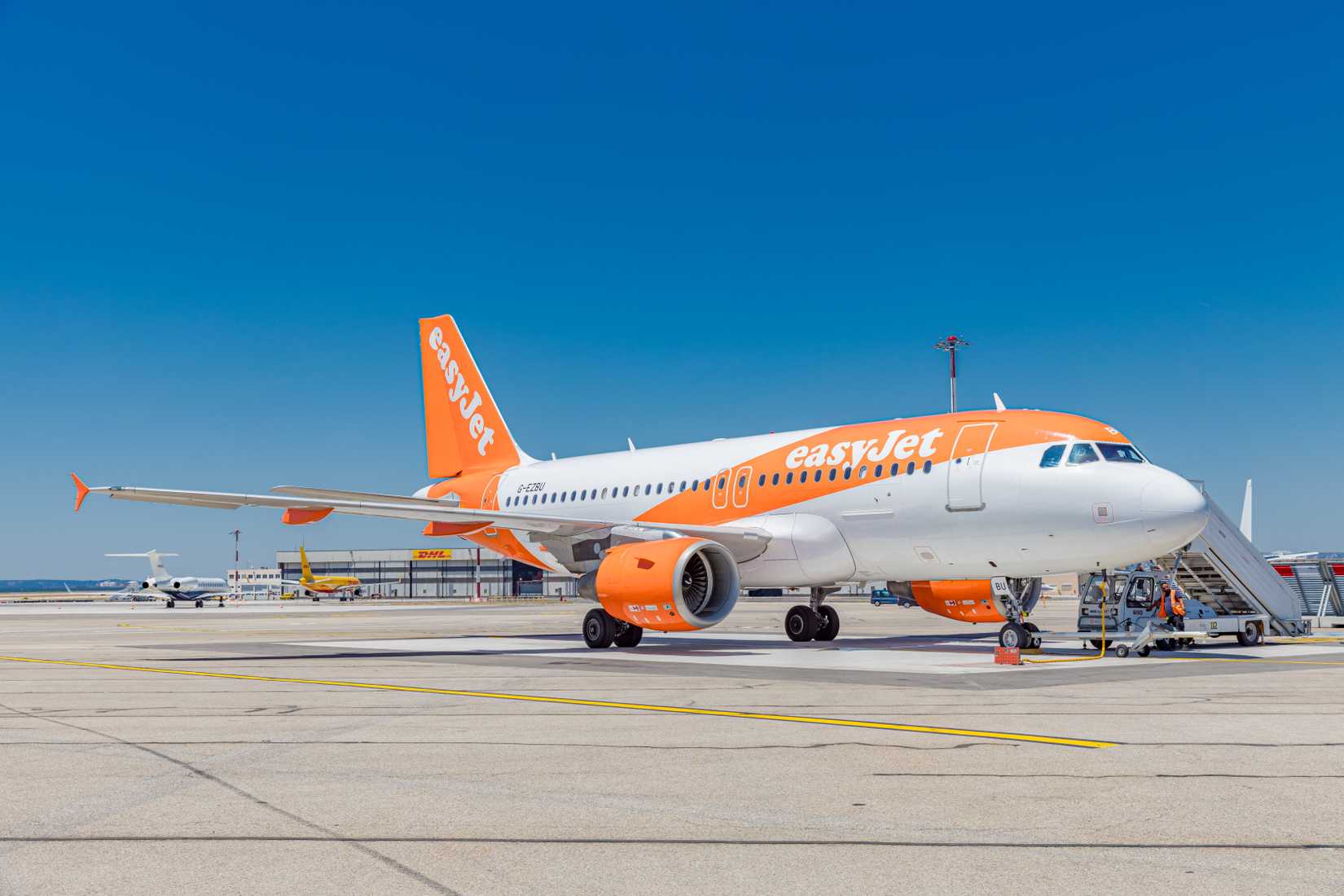
Credit: Shutterstock
easyJet, one of Europe’s most recognisable low-cost airline, is seen across the continent in its bright white and orange liveries. The airline maintains several domestic operations within Italy, including a twice-weekly non-stop service between Milan Malpensa Airport (MXP) and Lamezia Terme (SUF). On Saturday, December 27, the airline was operating flight U2-3557 from MXP to SUF.
The city pair has an average flight time of one hour and 40 minutes. On December 27, the flight departed from Milan at 8:13 am, shortly behind its scheduled departure time of 8:00 am. Data from Flightradar24 identifies the flight operated as per usual as the plane climbed to its cruising altitude of 37,000 feet as it made the journey south to the Italian province of Calabria.
As the flight began to descend into Lamezia, chaos ensued when the right-hand engine failed and started to emit flames. As suggested by Aviation Herald, it was then that the pilots were able to shut the CFM56 engine down, and put the aircraft into a hold whilst descending from 6,000 to 3,000 feet, before safely being able to land on the runway.
23 Minutes After The Incident, The Aircraft Landed
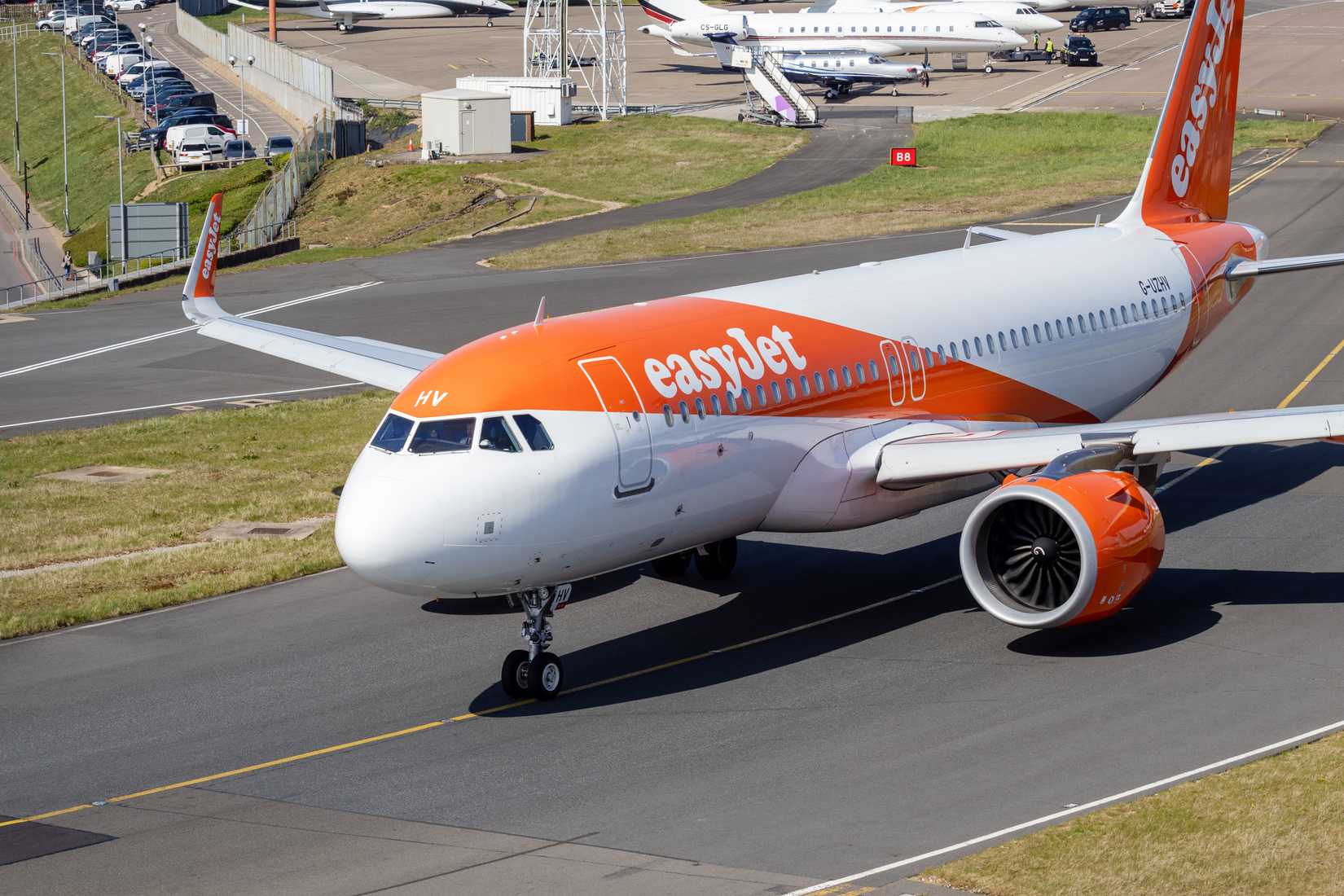
Credit: Shutterstock
Following the engine failure, the ten-year-old aircraft (registration OE-IVZ) was held in a hold while gradually descending to Lamezia Terme, landing safely on the airport’s runway some 23 minutes later. The flight touched down at SUF at 9:52 am, only two minutes behind it sscheduled arrival time of 9:50 am.
The aircraft remained on the apron over the New Year period and was only returned to Milan without passengers as EC 9050 on Saturday, January 3. Departing from SUF at 3:29 pm and arriving back in Milan Malpensa at 5:15 pm. The aircraft then remained on the apron at MXP overnight before returning to scheduled services the day following, operating as U2-3505 and U2-3506 – a return service from MXP to Palermo / Punta Raisi Airport.
Visuals shared above, identify the damage caused by the engine failure to the CFM 56-5B engine on the Airbus A320-200. The aircraft has subsequently gone through a full inspection, replacement, and repair of the aircraft before it was returned to scheduled operations.
Related
One Dead After Being Sucked Into Airbus A319 Engine In Italy
Local media have reported that the man had trespassed at the airport, resulting in them being sucked into the engine of a Volotea aircraft.
Return Passengers Re-Accommodated
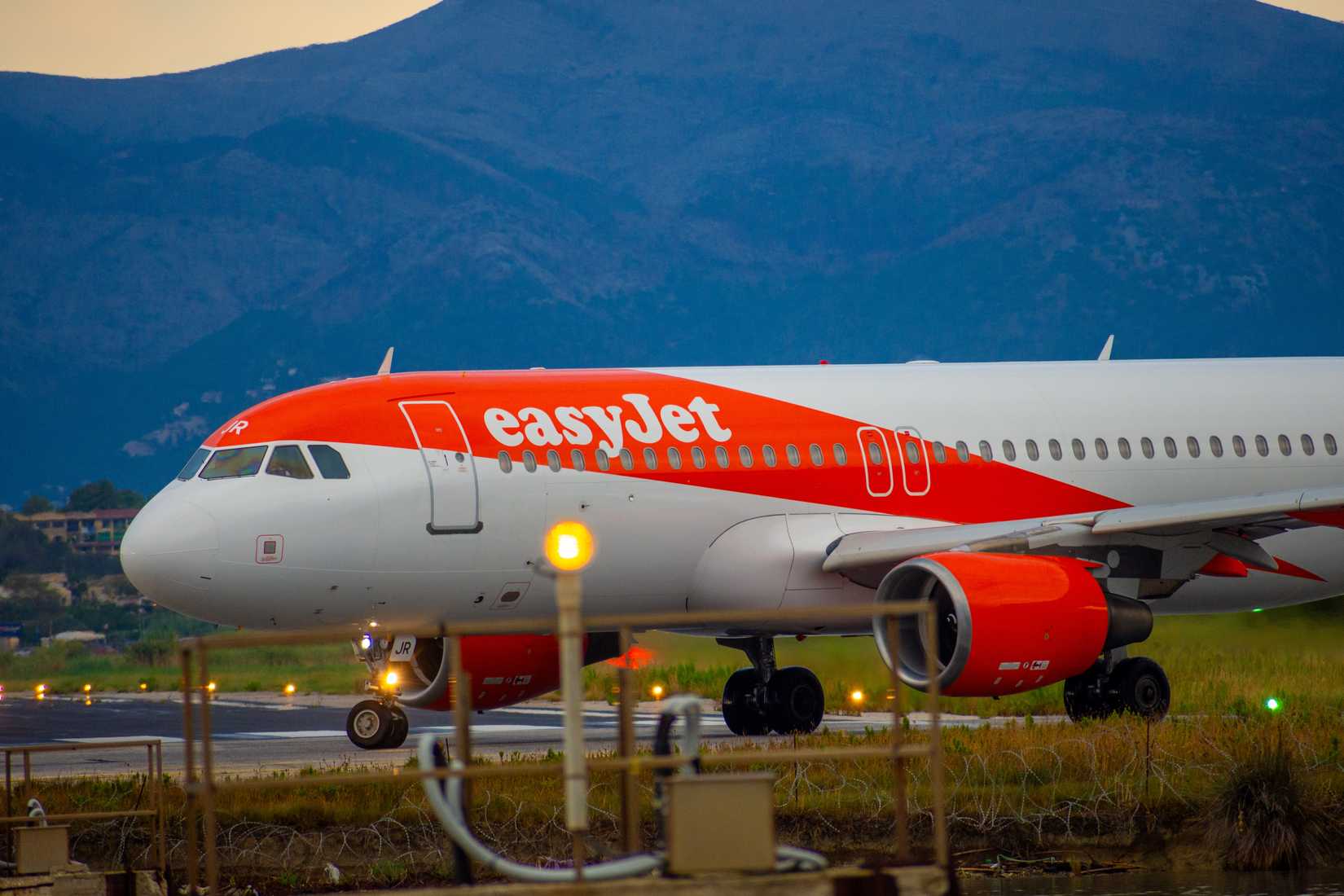
Credit: Shutterstock
Those booked on the return journey from Lamezia to Milan on December 27 were subsequently rebooked onto a new aircraft (OE-ICF), which led to a delay on the initial departure. The return service U2-3558 was initially scheduled to depart at 10:40 am; however only took off that afternoon at 3:32 pm. It arrived back in Milan at 4:50 pm later that same day.
The aircraft at the centre of the engine failure, with data from ch-aviation, is OE-IVZ, a ten-year-old Airbus A320-214 aircraft. The plane took its first test flight under German Airbus registration D-AXAW on February 11, 2015. It carries serial number 6485 and Hex code 4402AE.
It was then delivered to easyJet (UK) on February 18, 2015 as G-EZOC. It operated for the UK subsidiary for three years before being transferred to easyJet Europe on April 16, 2018, where it was re-registered as OE-IVZ. The plane is configured to carry up to 186 passengers in an all-economy class configuration.