
The chief constable of West Midlands police is facing fresh scrutiny over the handling of a ban on Israeli football fans from a match in Birmingham.
The mayor of Amsterdam challenged claims of intelligence reports attributed to Dutch police. Maccabi Tel Aviv supporters were barred from the fixture with Aston Villa last November after a decision by Birmingham city council’s safety advisory group, taken on public order grounds following police advice that cited disorder when the Israeli team played AFC Ajax in Amsterdam in November 2024.
During parliamentary scrutiny of the Birmingham ban, an assistant chief constable suggested that Dutch police had initially rejected elements of West Midlands police’s assessment, citing what he described as pressure from Amsterdam’s city officials.
The Times can reveal that Femke Halsema, the mayor of Amsterdam, has written to Nick Timothy, the Tory MP for West Suffolk, and Lord Austin of Dudley to dismiss the suggestion as “nonsensical”. In her letter, Halsema said Amsterdam officials published a factual report soon after the events.
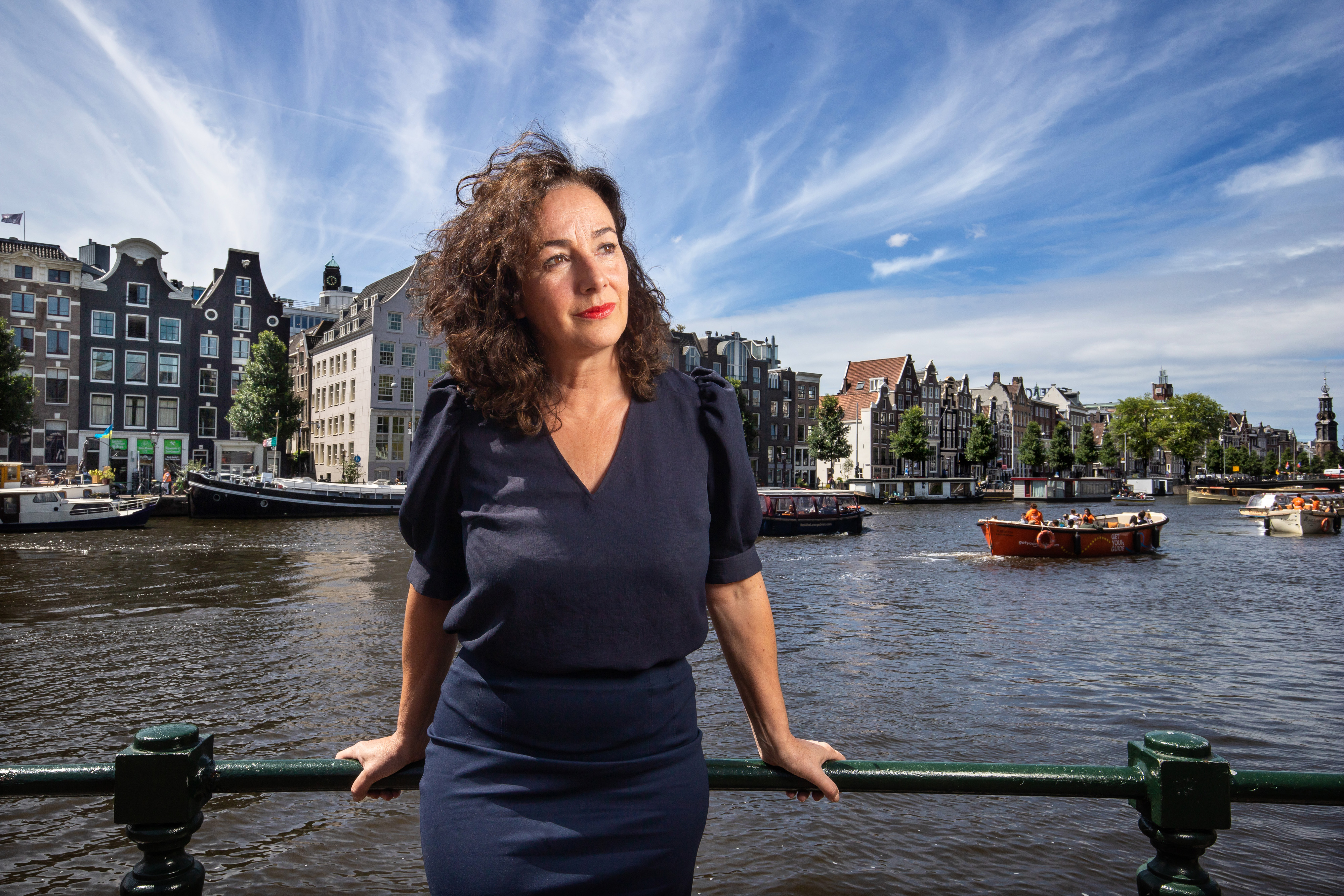
Femke Halsema
PETER BOER/GETTY IMAGES
Two subsequent independent investigations found no evidence that facts had been changed or that police intelligence had been influenced. “Nor were the Amsterdam police under pressure to change any of the facts, which were already public and generally known well before the decision to ban supporters in the UK,” she wrote. “Any suggestion otherwise is nonsensical.”
Critics of the decision say that excluding the Maccabi supporters amounted to discriminatory treatment and reflected pressure arising from local opposition to Israeli fans.
Questions have also been raised about the accuracy of examples cited by West Midlands police during parliamentary scrutiny. MPs were told of a previous overseas fixture involving Israeli supporters that was presented as evidence of heightened risk. Critics later said the match described did not correspond to any identifiable game in official Dutch or European records.
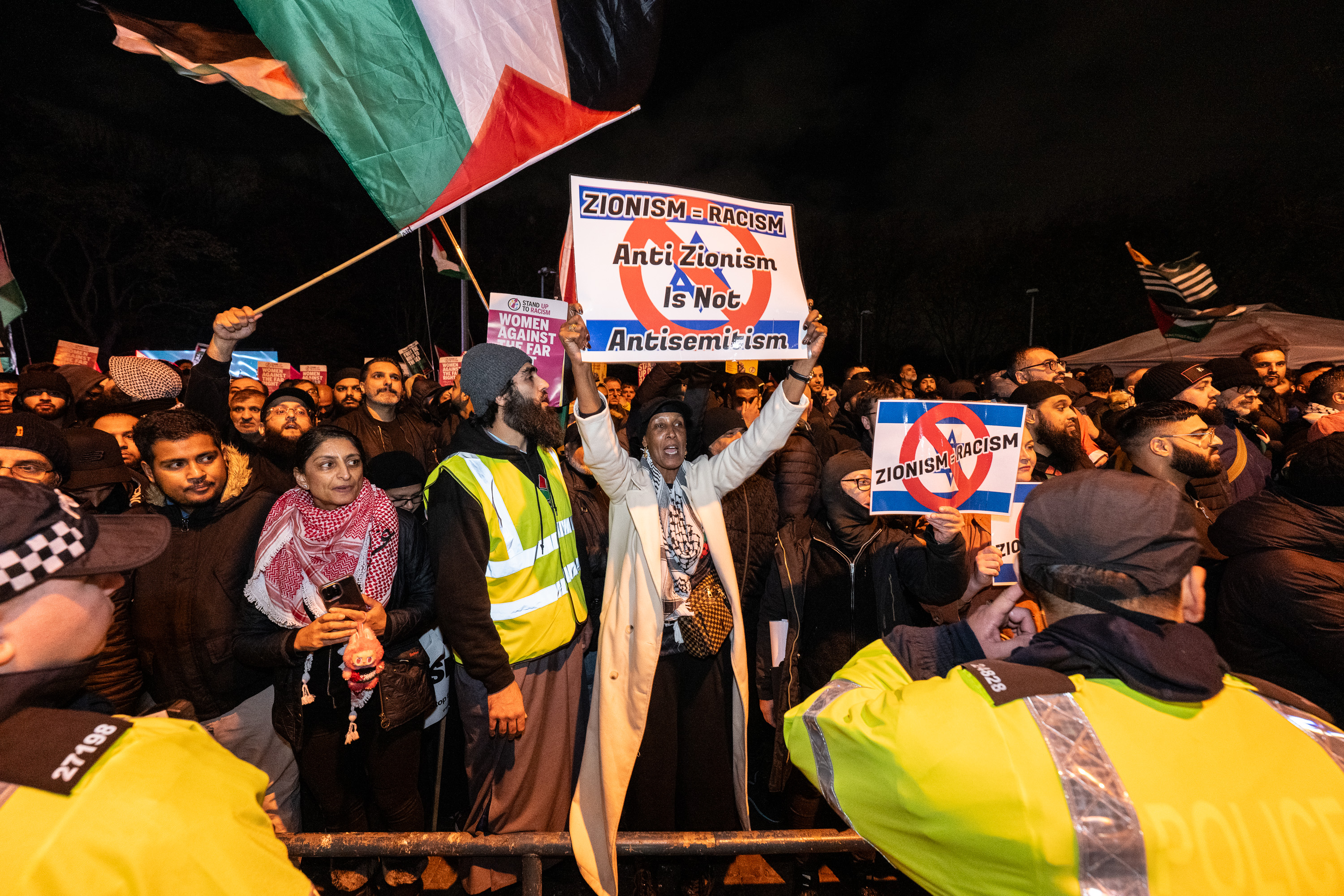
Pro-Palestinian activists outside Villa Park during the Maccabi Tel Aviv match
GUY SMALLMAN/GETTY IMAGES
The discrepancy has fuelled concerns about how intelligence was compiled and tested before being relied upon to justify the Birmingham ban. A report published by Amsterdam’s mayor, police chief and chief public prosecutor four days after the disorder in November 2024 said the Ajax-Maccabi Tel Aviv match had been assessed as low risk and there was no intelligence justifying a ban.
Chief Constable Craig Guildford has told the home affairs committee that he stands by his force’s account. Assistant Chief Constable Mike O’Hara suggested in earlier evidence that Dutch police had revised their position after pressure from city officials.
It has also emerged that eight Muslim groups were consulted before the ban was imposed on public safety grounds, including three that critics have accused of previously hosting antisemitic preachers.
Timothy said the Amsterdam statement was damning and showed West Midlands police had “misrepresented the intelligence”. He said: “There is not a single piece of evidence or organisation that corroborates what West Midlands police claim. “In fact we know from a document obtained this week that the opposite is true. The Israelis were banned not because they were violent but because local Islamists were arming themselves with the intent to attack visiting supporters … The chief constable must resign.”
• Martin Samuel: Maccabi saga shows danger of excluding Israel — it normalises antisemitism
Austin, a former Labour MP for Dudley North, said: “This is further proof West Midlands police made up evidence and then lied about it … No one believes the chief constable’s account and he must either resign or be fired.”
Simon Foster, the West Midlands police and crime commissioner, said on Wednesday that he would formally hold senior officers to account and had requested a report to his public accountability and governance board on January 27, where he would question the chief constable about the handling of the ban and the intelligence that informed it.
West Midlands police would not comment. The force has previously said the decision was taken on public safety grounds and that it stood by its account.