As the Iranian protests approach the start of their third week, they appear to have shaken the ruling regime to its core. Iranians call for the death of Iranian Supreme Leader Ali Khamenei. Assailants videotaped the assassination of a police chief in the working-class Tehran suburb of Islamshahr. Other Iranians are videotaping themselves making Molotov cocktails.
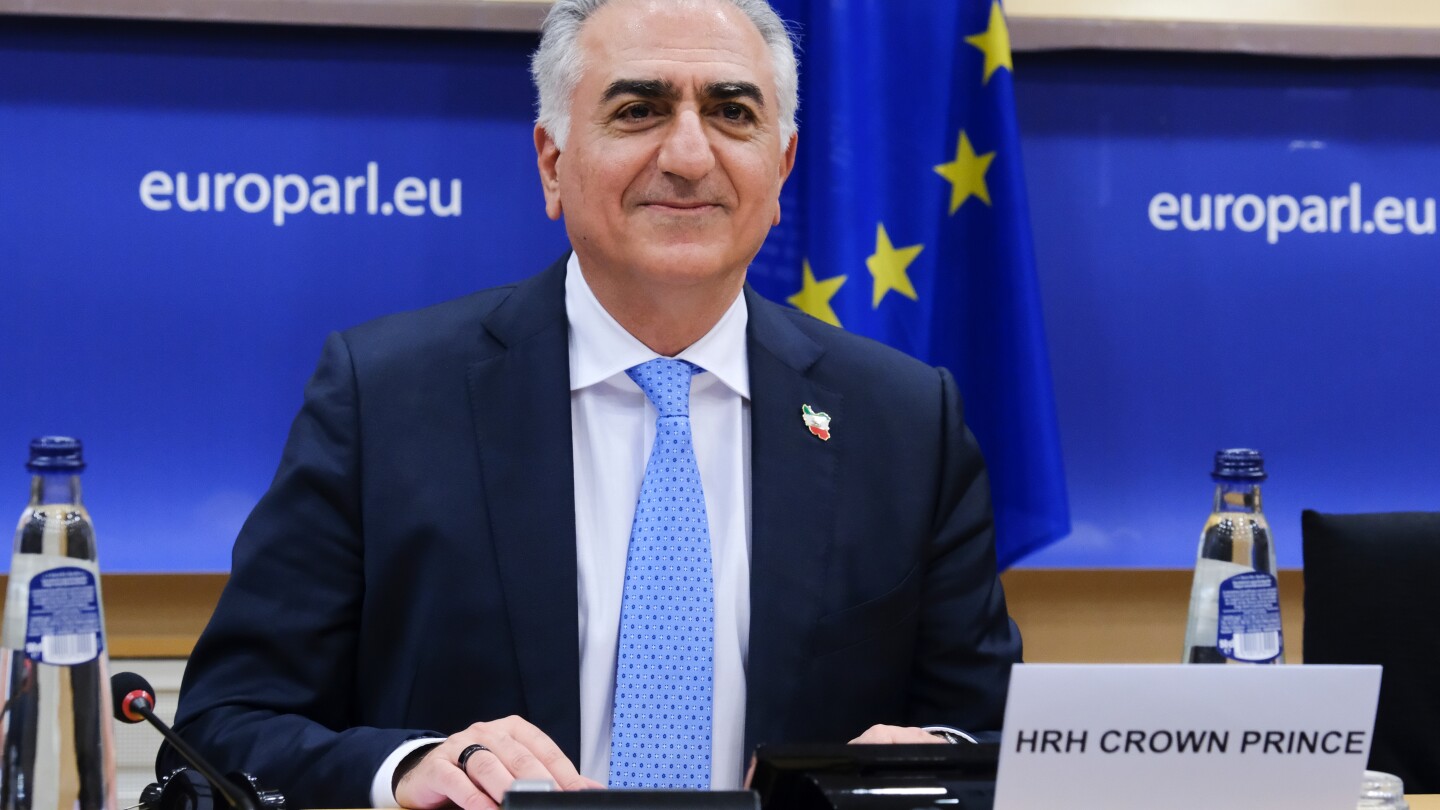
Whether because of nostalgia toward the pre-Revolutionary-era, or sincere support, many Iranians are chanting Reza Pahlavi’s name. As the former crown prince, he is easily the most recognizable opposition figure for Iranians.
As the former crown prince, [Reza Pahlavi] is easily the most recognizable opposition figure for Iranians.
Fifteen years ago, he was the best man at a wedding I attended in Florida. Many Iranians who came to the wedding from the Islamic Republic had no idea Reza Pahlavi would be there. Most were from families that traditionally did not support the monarchy, but they had suffered under the theocracy. When they saw the crown prince, they got down on their knees. Many tried to kiss his hands. Most wept.
Reza Pahlavi’s political office is inept, and, in recent years, his aides have been divisive despite his rhetoric of unification. Replicating Mujahedin-e Khalq-style trolling is not a good look for a would-be monarch. He and his top supporters also face a “White Russian” problem, seemingly preferring life in exile and travels in the United States and Western Europe to the hard work of cultivating a new generation of Iranians. Still, he is better positioned than any other Iranian to usher in a peaceful transition to a constitutional, democratic order even if not a monarchy. Most Iranians would prefer what Pahlavi stands for, rather than a Venezuela-like transition that would empower a Khamenei collaborator like former President Hassan Rouhani.
Ultimately, this means Pahlavi will need to return to Iran. While it is still too early for him to do so—the Iranian people only control a few peripheral towns—his return will be a political earthquake. Many Iranians will see it as the sign of the Islamic Republic’s final collapse.
The question now is how he will do so. During World War II, the Allied powers forced Reza Shah—the current crown prince’s grandfather—into exile due to a belief that he harbored Nazi sympathies. Mohammad Reza Shah assumed power on the back of allied armies.
When Mohammad Reza Shah then fled during Prime Minister Mohammed Mosaddegh’s attempted coup against the monarchy, he returned to the country only after the Iranian Army, in conjunction with American and British intelligence, staged a countercoup.
In 1979, the situation was the opposite. The shah fled to Egypt, before coming to the United States. Just over two weeks later, Air France transported Ayatollah Ruhollah Khomeini to Tehran to a rapturous welcome.
Reza Pahlavi is likely waiting until [Supreme Leader Ali] Khamenei leaves.
In each case, however, the transfer of power occurred without a direct confrontation between two Iranian claimants. Reza Pahlavi is likely waiting until Khamenei leaves. If so, he must have his go-bag ready and not be caught out-of-pocket and on vacation, as in later December 2025.
Returning to Iran will be fraught, however. When Saddam fell, Shi’ite cleric Abdul Majid al-Khoei, the son of a prominent ayatollah, appeared in the shrine city of Najaf. He took a reconciliatory approach and sought to usher in a peaceful transition for the post-Saddam order. It was not to be. A mob set upon him, allegedly egged on by a then-relatively unknown Muqtada al-Sadrm, the son of another prominent ayatollah, and hacked Khoei to death. Iraqis were shocked, and Americans even more so.
As Pahlavi plans to return to Iran, either before or after Khamenei’s departure (or death), the question now is whether and how the United States and other regional states will protect him from ideologues who grouse at the theocracy’s fall.
There are no easy answers, but as the regime teeters, it is time to start having a hard discussion because Pahlavi’s assassination upon his return could spark chaos that would make the Iraqi insurgency look placid by comparison.