In 2006, Fitzroy was the place to be for struggling Melbourne university students like me, who could buy a $4 gourmet pizza from the now-defunct Bimbos on Brunswick Street and still have spare coins left for a pint.
Denmark is due for a national election sometime in 2026, and odds are high that immigration and integration will continue to be a hot-button issue.
I lived within a cooee of public housing towers whose Indigenous and refugee families were part of the neighbourhood’s vibrant beating heart – a thriving multicultural metropolis teeming with world cuisine, vintage stores, cafes, art, and dive bars.
Within the span of 100 years, Melbourne’s oldest suburb evolved from a bastion of notorious gangsters, bootleggers, brothels, and speakeasies to a working-class factory hub before becoming a modern-day gentrified hipster paradise where people queue for 45 minutes to buy an overpriced croissant.
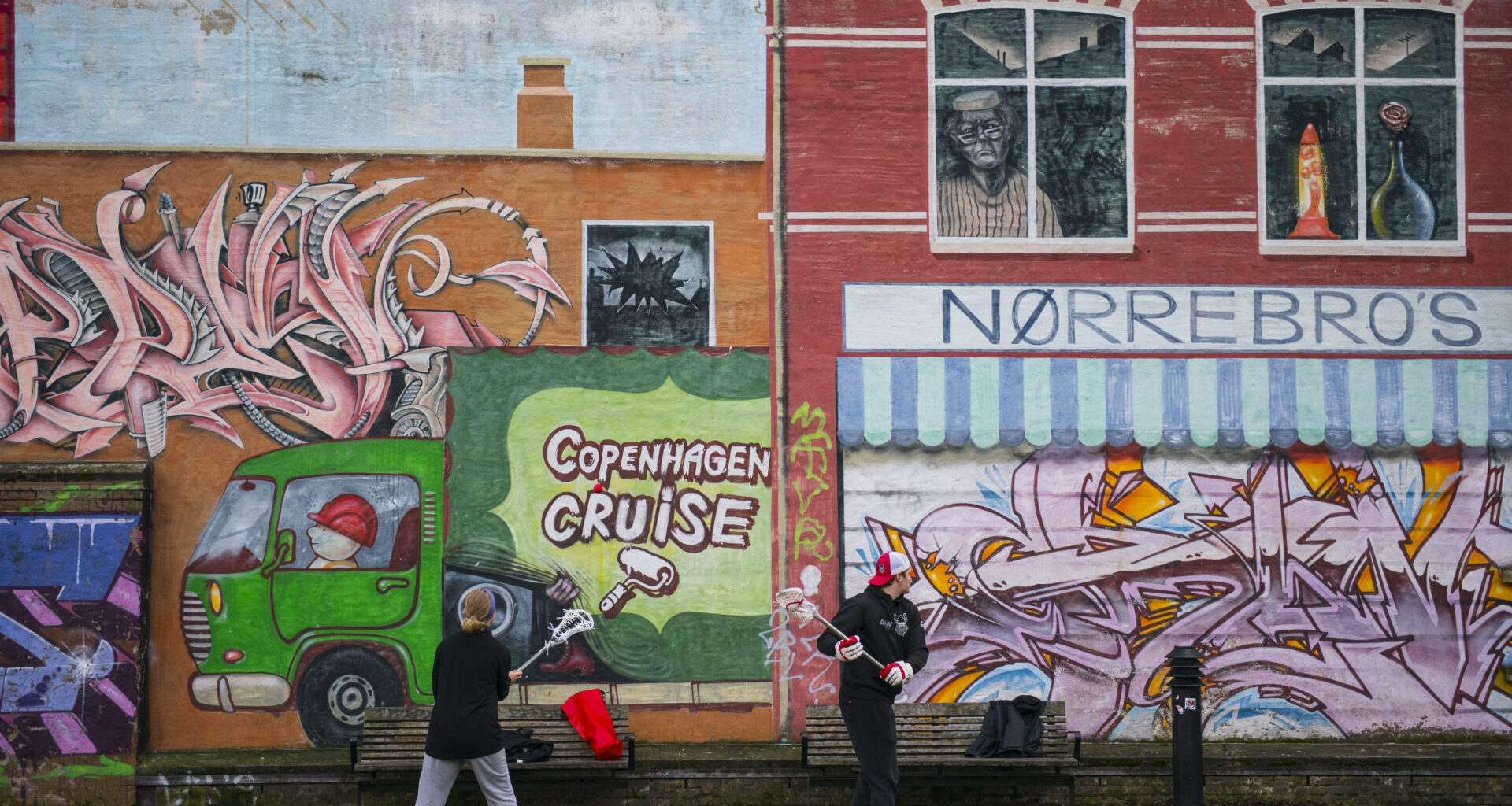
As an Aussie now living in Copenhagen, Denmark, I’ve delighted in finding echoes of Fitzroy grunge in Nørrebro, which also regularly tops global cool neighbourhood rankings.
One part of Nørrebro, called the Mjølnerpark, has been labelled a “hard ghetto� by the Danish government, since it passed laws in 2018 aimed at eradicating “parallel societies� by 2030.
Communities with high crime rates, low income, low employment rates, low education, and more than 50% non-Western immigrants have been put on Denmark’s ghetto list (“non-Western� can cover multiple generations, including the children or grandchildren of non-Western migrants who were born in Denmark or people with Danish citizenship).
Under the measures, some 11,000 households were slated for evictions, demolitions, and relocations as the government moved to drastically reduce public housing stock to less than 40% in certain neighbourhoods to shake up the demographics.
The ghetto package was the policy brainchild of former prime minister, now foreign minister, Lars Løkke Rasmussen, who warned it was time for Denmark to fill “the holes in the map�.
Danish authorities had long expressed concerns about parallel societies operating outside the realm of the country’s criminal justice system, language and values, in particular gender equality.
Supporters of the measure say the ghetto laws seek to boost integration and avoid mounting gang violence seen in parts of Sweden. (Incidentally, British Conservative Party leader Kemi Badenoch has been admiring the policy from afar and the EU has started to embrace other aspects of Denmark’s hard line on immigration.)
But affected residents have long fought back against what they say is unfair legislation. In 2020 a group from Mjølnerpark mounted a lawsuit, and in 2025 they got their David versus Goliath showdown in the European Court of Justice in Luxembourg. The court was asked to consider whether the Danish laws were racially discriminatory and fell foul of the European Union’s race equality directive.
A week before Christmas, the court’s long-awaited ruling was handed down, stating that the law may constitute direct discrimination.
The case now heads back to the Danish court system for further legal interpretation.
“Residents have experienced great distress at losing decades-long treasured family homes, memories and a close-knit community as well as the brutal impact of having been stereotyped, othered and denied one’s own identity,� Shusheela Math, head of legal at the Dutch NGO Systemic Justice , told reporters in Copenhagen on the day of the ruling.
Political commentator Erik Holstein, from media outlet Altinget, expects the Danish government will probably be forced to change the ghetto law, but the buildings that have been demolished are unlikely to be rebuilt.
With the ghetto laws enjoying broad support across the Danish political spectrum, public discourse has often been one-sided.
“The law has actually worked as intended. The proportion of ghetto areas has been drastically reduced, the areas have become much more mixed in terms of residents, and crime has decreased in several of the areas,� Holstein told me.
With the ghetto laws enjoying broad support across the Danish political spectrum, public discourse has often been one-sided, despite international criticism from the likes of Amnesty International and the UN.
It’s hard to imagine Australian media using the term “ghetto safari� to describe journalists visiting Melbourne’s public housing towers to interview residents and report on complex social issues. But that jaw-dropping term has been bandied about in Danish media and public debate.
The Mjølnerparken residents’ association chairman, Muhammad Aslam, who has lived in Denmark since age seven and has four university-educated children, was evicted from a home his family lived in since 1987. “It threw the families out of our homes when we have done nothing wrong,� he told reporters on the day of the ruling.
New residents who took over the homes have to pay about three times higher rents.
Aslam noted a race to the bottom in Danish politics: “A competition between politicians and political parties of who can say the worst things against foreigners, refugees and Muslims. Whoever does that gets more seats in parliament.�
Denmark is due for a national election sometime in 2026, and odds are high that immigration and integration will continue to be a hot-button issue.
A world away, back in my beloved Fitzroy, the next gentrification chapter is playing out, with plans to demolish all of Melbourne’s 44 public housing towers. But just like their counterparts in Mjølnerparken, underdog Fitzroy public housing residents are not shying away from a fight to save their homes.