See All Key Ideas
Alessandra Moreira worked as an administrative assistant in Altamira, an oversized municipality in the Brazilian Amazon — larger than Portugal or Greece. Burned out and facing anxiety and depression, she left her job, but was unsure of what would come next. “I was having panic attacks and couldn’t identify what was happening to me,” she told Mongabay. Then, a suggestion from her brother changed everything: Why not try making seed paper?
Altamira, in the state of Pará, is the most deforested municipality in the Brazilian Amazon. There, “development” is often a synonym for deforestation, environmental degradation, and sometimes violence, erupting from clashes between conservationists, loggers and land grabbers.
Despite the local culture, Moreira founded Ecoplante, a company that makes plantable seed paper — recycled sheets embedded with seeds that can typically grow into vegetables, herbs, flowers and, in Ecoplante’s specific case, native Amazonian vegetation, too. What began as a personal healing project has grown into an example of how creativity, entrepreneurship and sustainability can coexist in one of the world’s most fragile ecosystems.
Plantable seed paper is made by transforming discarded paper into new sheets infused with plant seeds. The process starts with recycled pulp mixed with water, then spread over a fine-mesh screen and layered with seeds, from herbs like basil and arugula, to flowers like daisies. Once dried, the paper can be written on, used, and later planted. When it decomposes, the seeds germinate, turning what would have been waste into greenery.
In 2023, Moreira and her brother began experimenting with recycled scraps and homemade tools, like blenders, nylon screens and wooden frames. “Our first sheets were a disaster,” Moreira said, between laughs. But the process gave her something unexpected: focus and healing. “I didn’t have time to cry anymore. My mind was fixed on how to make a better paper.”
Moreira refused to give up even after a few setbacks, including financial struggles and miscarriages (she has a 9-year-old son and a baby daughter). She began to refine the process, learning through trial and error, and YouTube tutorials. Everything in the early days was improvised, from the machines to the packaging. But Moreira persisted. “I wanted Altamira to be known for something more than deforestation,” she said.
Now, Moreira and her small team produce the paper manually in her backyard, using simple equipment built from everyday materials. The recycled paper is shredded, blended into pulp, and spread over a mesh screen to remove excess water. The seeds are then sprinkled by hand or with a perforated can, ensuring they’re evenly distributed before the sheets are pressed and left to dry naturally in the sun.
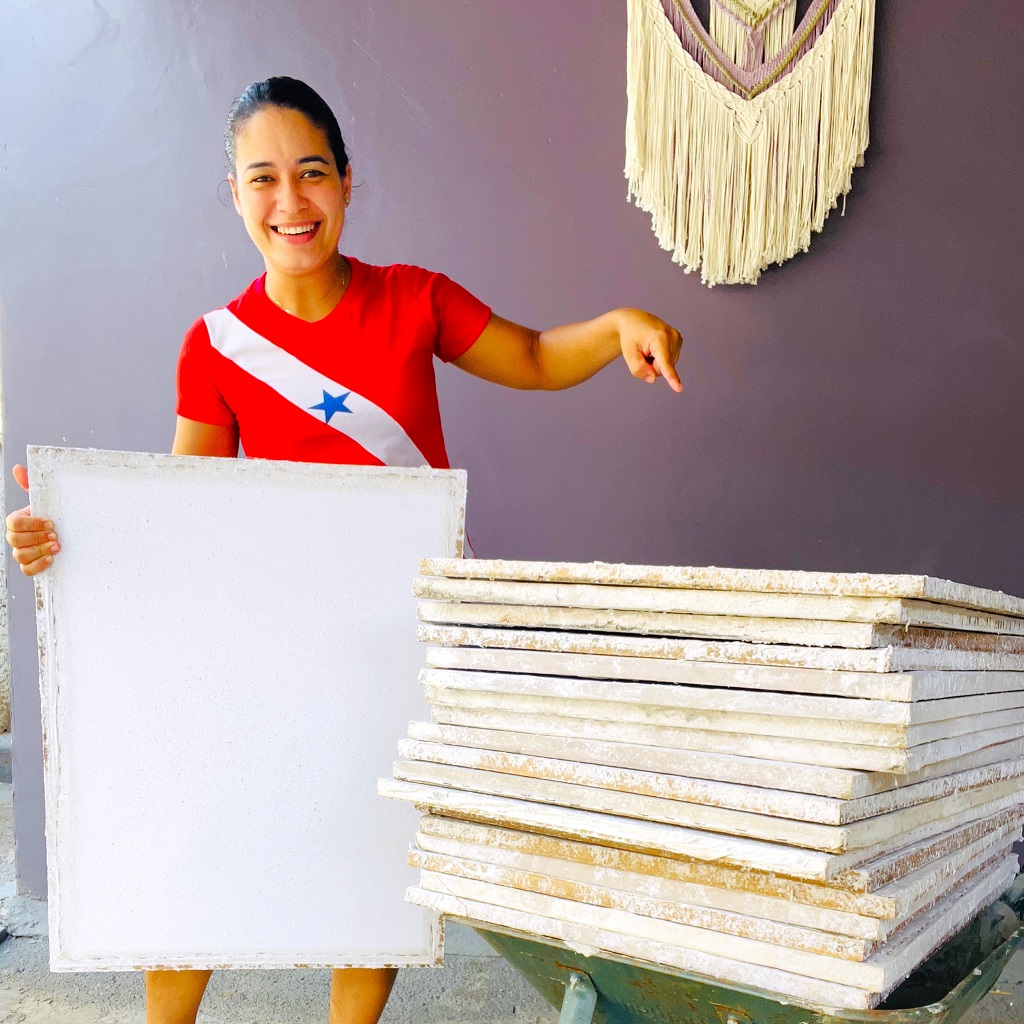 Alessandra Moreira shows sheets of plantable seed paper produced at her home in Altamira, the most deforested municipality in the Brazilian Amazon. Image courtesy of Alessandra Moreira.
Sustainability meets entrepreneurship
Ecoplante’s turning point came in early 2024, when Moreira joined a project called Sustenta e Inova (“Sustain and Innovate”), a European Union-funded initiative that supports sustainable ventures across the Amazon. “Ecoplante really began when I entered the program,” Moreira said. “It helped me understand what problem my business was solving, which was improper paper disposal, and then to position myself as a green business.”
Through the program, she learned how to price products, find her target clients, and pitch to investors. “We learned to look at our business critically, to improve everything from visual identity to marketing,” she said. Today, Ecoplante supplies customized seed paper for eco-friendly brands, wedding invitations and product packaging. Its clients extend beyond Pará to São Paulo, Mato Grosso do Sul and Santa Catarina states. Also, in August 2025, it officially became the first stationery company in Pará to be certified as a sustainable business.
According to Paula Couceiro, project manager at the Pará chapter of SEBRAE, a Brazilian nonprofit that supports small businesses and runs Sustenta e Inova, Ecoplante exemplifies the kind of innovation the Amazon needs. “The goal is to make environmental preservation a way of life,” Couceiro told Mongabay. “When people see that sustainability can provide income and dignity, they stop seeing the forest as an obstacle and start seeing it as an opportunity.”
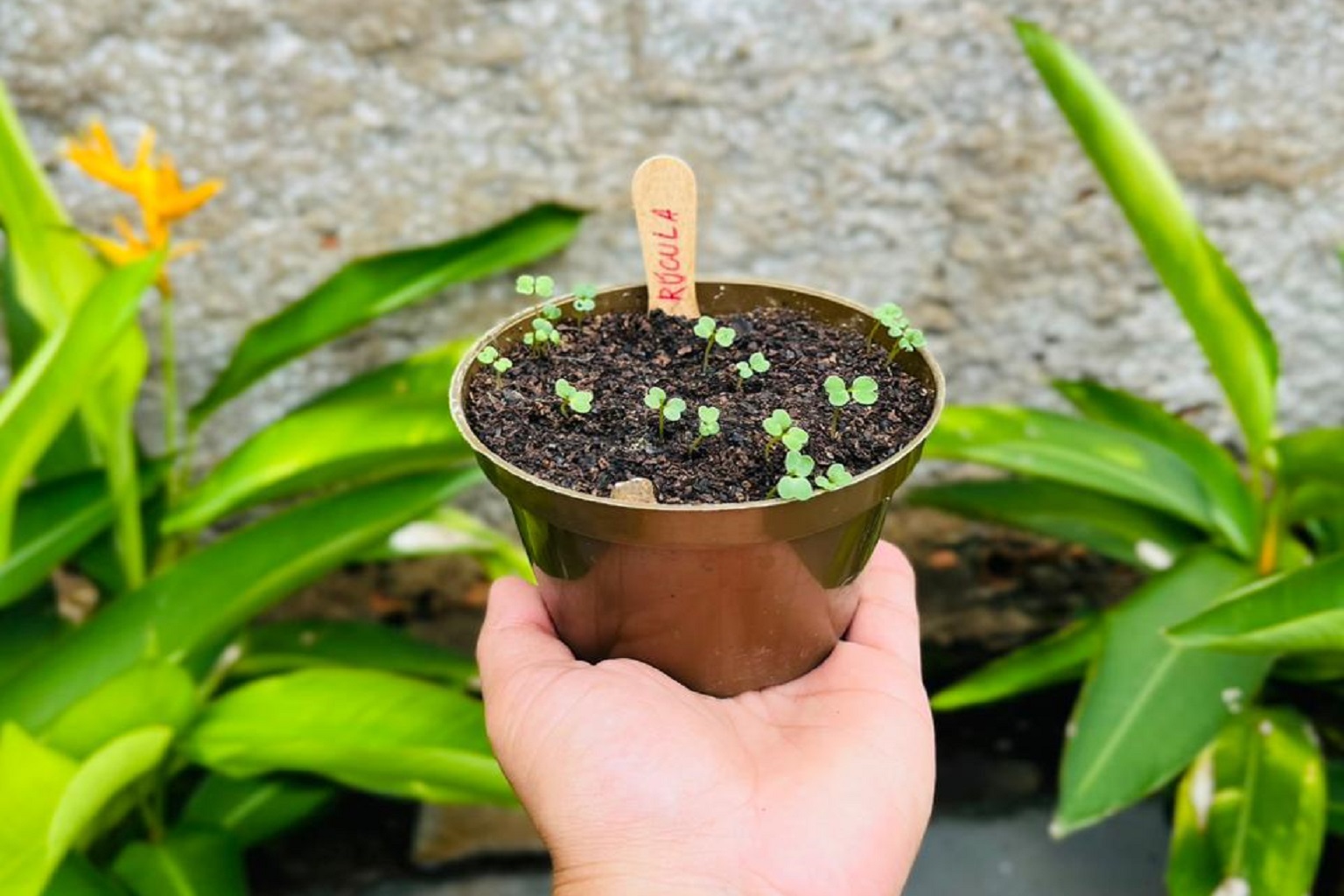 Ecoplante’s products are shipped with seeds for vegetables such as rocket (pictured), herbs, flowers and native Amazonian vegetation. Image courtesy of Ecoplante.
Ecoplante’s creativity goes beyond arugula and daisies. While those are plants seen in more temperate climates, they’re not native to the Amazon, and now Moreira’s main goal — and biggest challenge — is to produce plantable paper with seeds of local trees. Working alongside extractivist groups in the region, she’s sourced jambu seeds (a herb with mouth-numbing effects similar to those of Sichuan pepper) that have already been successfully made into paper. But her attempts with other plants, like ipê, coveted for its hardwood timber, still need to yield results. Moreira says most Amazon tree seeds are too big to fit into paper, which adds considerable complexity to her enterprise.
To overcome this, she’s thinking beyond paper. To bring those larger seeds into her products, Moreira designed what she calls a plantable seed pencil. At the tip of the pencil where an eraser would normally go sits a small transparent capsule. It holds the seeds safely until the pencil is used up; once it’s too short to write with, the pencil can be planted directly in the soil and grow into a tree or other native plant.
The seed pencil is still being tested, but Moreira said she sees great potential in it, allowing Ecoplante to more easily go beyond just flowers and herbs. The idea has caught the attention of schools and sustainable gift companies, making it one of the business’s most promising innovations.
A new model of growth in the Amazon
Altamira’s region of the Xingu River Basin has long been tied to Brazil’s infrastructure push in the Amazon. Over the years, ambitious projects like the Trans-Amazonian Highway and power plants led to waves of migration that severely damaged the ecosystem. While the risk persists, the Xingu region is also a place where new economic models are taking root. Ecoplante joins a generation of Amazonian businesses that are rethinking prosperity beyond extraction.
“The bioeconomy must strengthen ecosystems and local communities, not replace them,” Mariana Oliveira, director of forests and land use at the World Resources Institute Brazil, told Mongabay. “When small enterprises prove that sustainable production can generate jobs and dignity, they help redefine development for the entire region.”
She added that for every real invested in bioeconomy activities in Pará, the potential return includes 1.13 reais in GDP and 19 cents in wages — evidence that standing forests can be profitable too, despite hurdles and traps.
This new wave of Amazonian entrepreneurs also regenerates livelihoods. In the Sustenta e Inova network, women-led businesses now run cocoa cooperatives, honey production lines and artisanal chocolate shops, proving that the rainforest is a place where the circular economy can thrive.
“We’re seeing more young people wanting to stay, to build their lives here,” Couceiro said. “They used to dream of leaving for big cities. Now, they see that they can have a good life in their hometowns, surrounded by nature.”
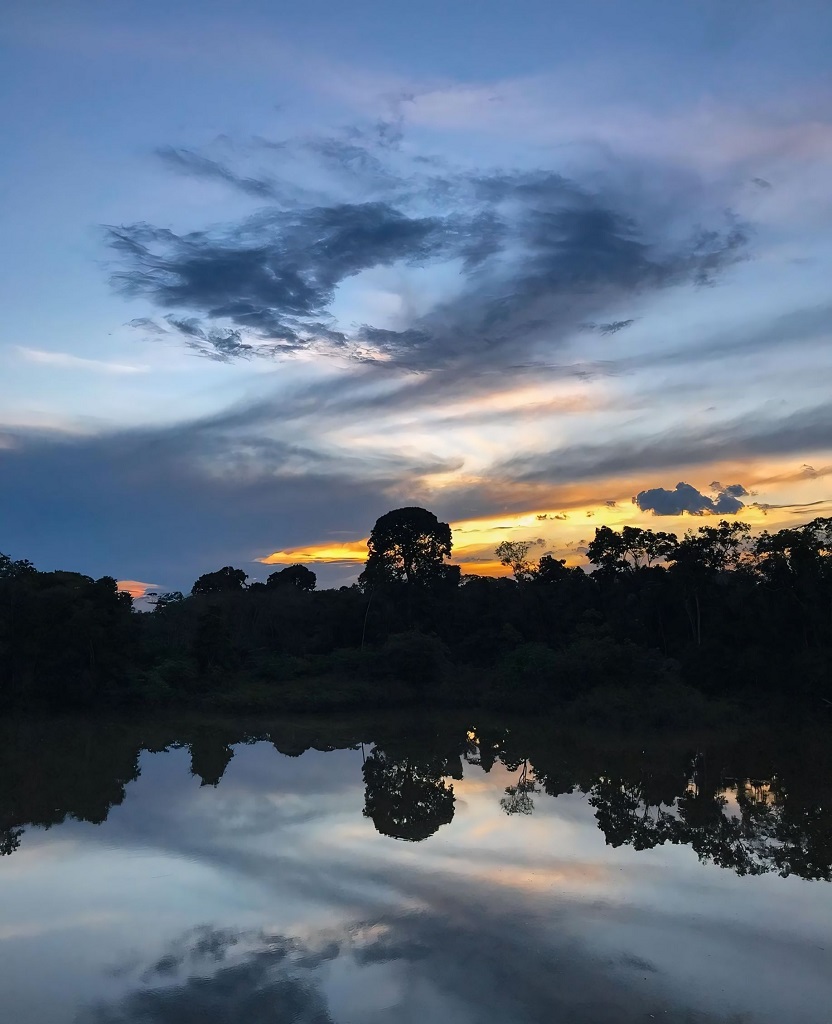 Altamira National Forest along the bank of the Xingu River. Image by Amazon Healing via Wikimedia Commons (CC BY-SA 4.0).
For Roberto Porro, a senior researcher at Embrapa, Brazil’s agricultural research corporation, in the eastern Amazon, initiatives like Ecoplante represent the frontier of a new, inclusive bioeconomy. “The Amazon needs sustainable businesses that respect local knowledge and create value without destroying natural capital,” he told Mongabay.
Porro, who coordinates studies on sustainable production models, said these micro-initiatives can have ripple effects. “When a company in Altamira manages to recycle waste and link it to reforestation or environmental education, it changes the logic of the region’s economy. It tells young people that there are alternatives to cattle or logging,” he said.
Ecoplante still operates from Moreira’s backyard, where her plantable paper sheets dry under the Amazon sun. “Ecoplante remained in my house,” she said. “It’s still there today.” For her, the small scale doesn’t diminish its meaning — every page produced feels like a victory.
Her plantable paper now carries stories of recovery, of women’s work, of a region redefining what progress looks like. In Altamira, a city often cited as a symbol of deforestation, Ecoplante stands as proof that sustainable growth can bloom from the ground up.
And with every sheet of paper — or pencil, when it’s made available — those ideas take root: in soil, in classrooms, in wedding invitations, and in the vision of an Amazon that grows by giving back.
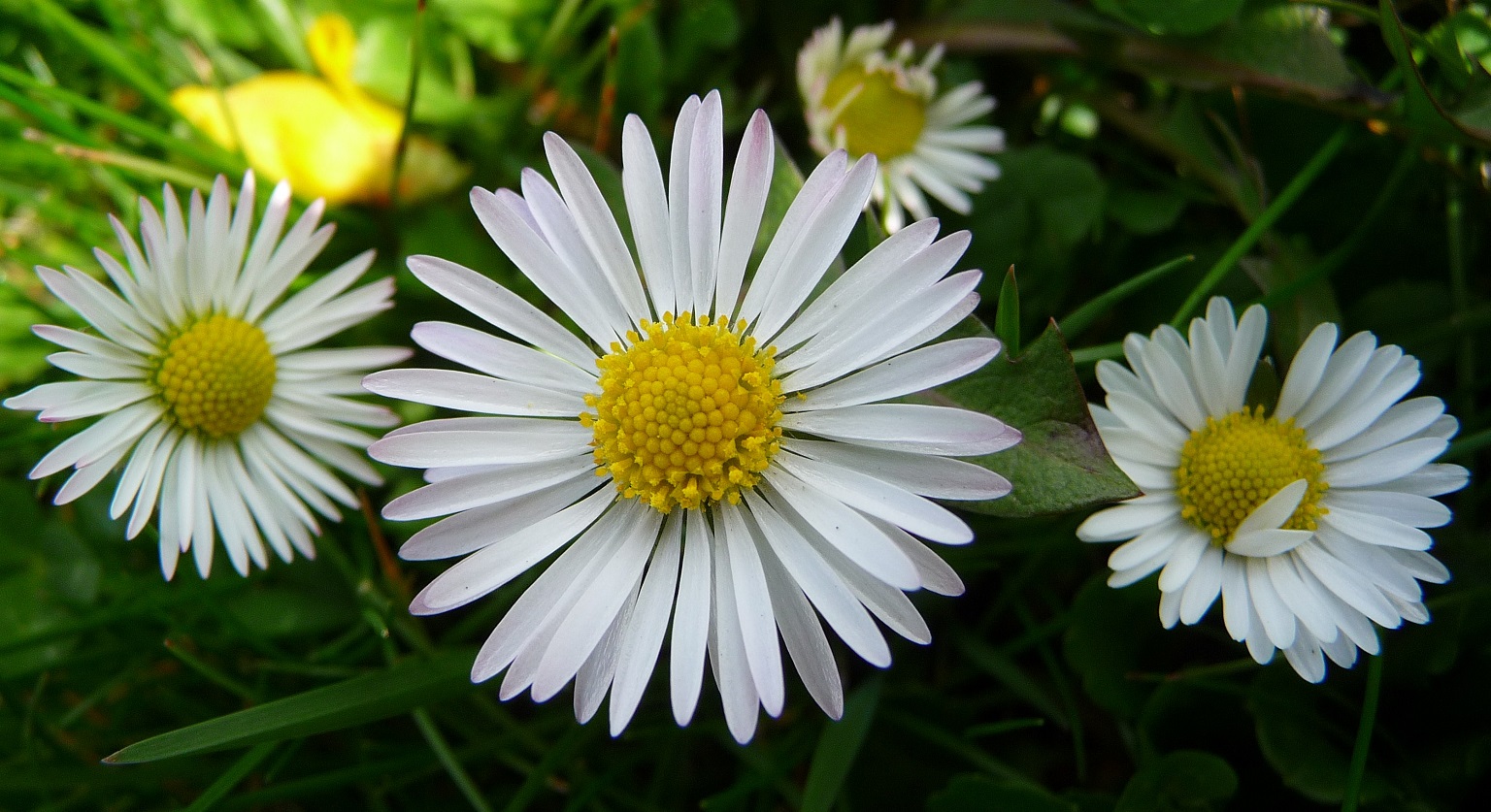 Daisies (Bellis perennis). Image by 4028mdk09 via Wikimedia Commons (CC BY-SA 3.0).
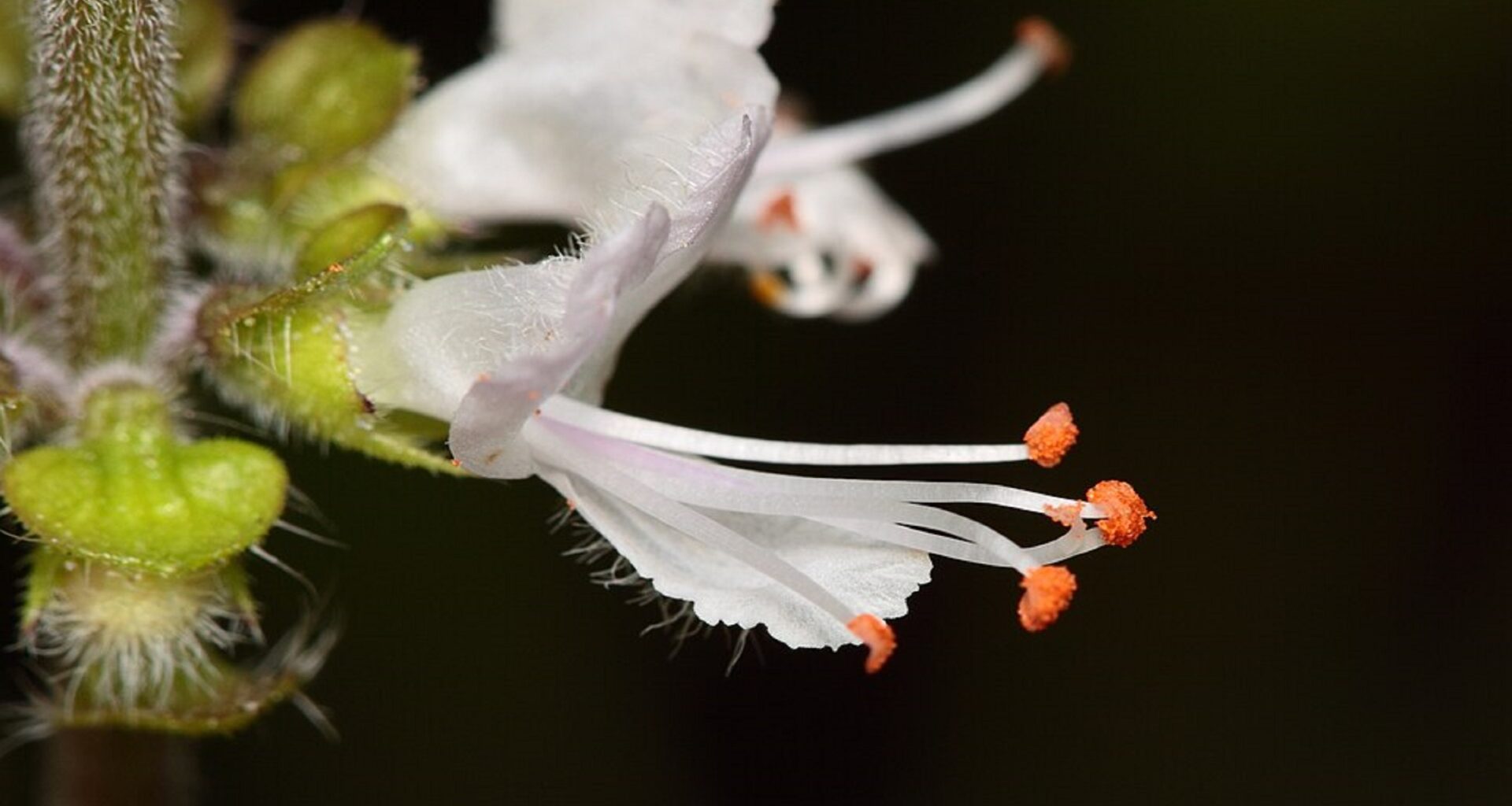
Banner image: Ocimum basilicum flower. Image by Leonardo Ré-Jorge via Wikimedia Commons (CC BY-SA 4.0).
Amazon’s stingless bee propolis shows potent healing power, studies show
FEEDBACK: Use this form to send a message to the author of this post. If you want to post a public comment, you can do that at the bottom of the page.
