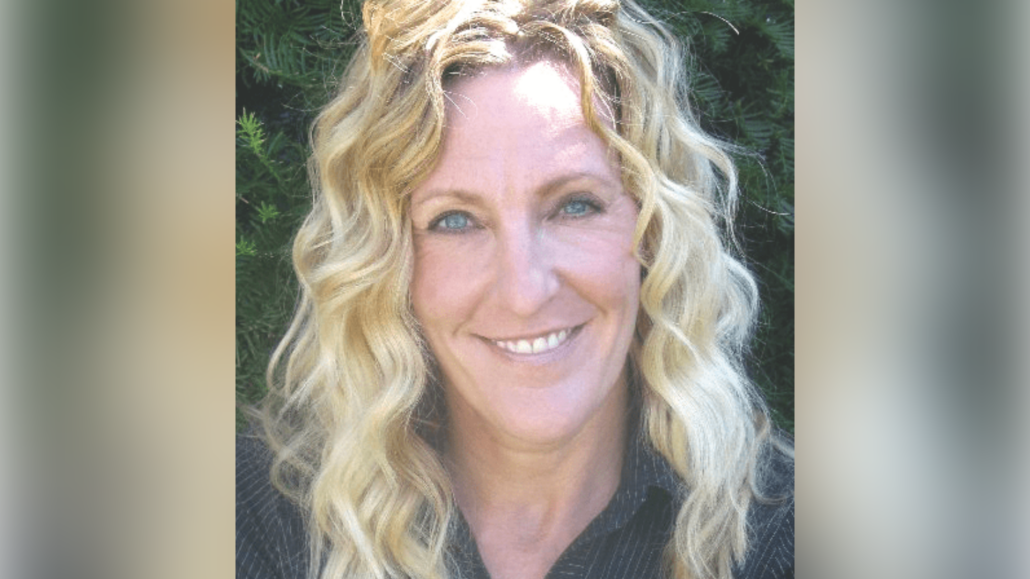
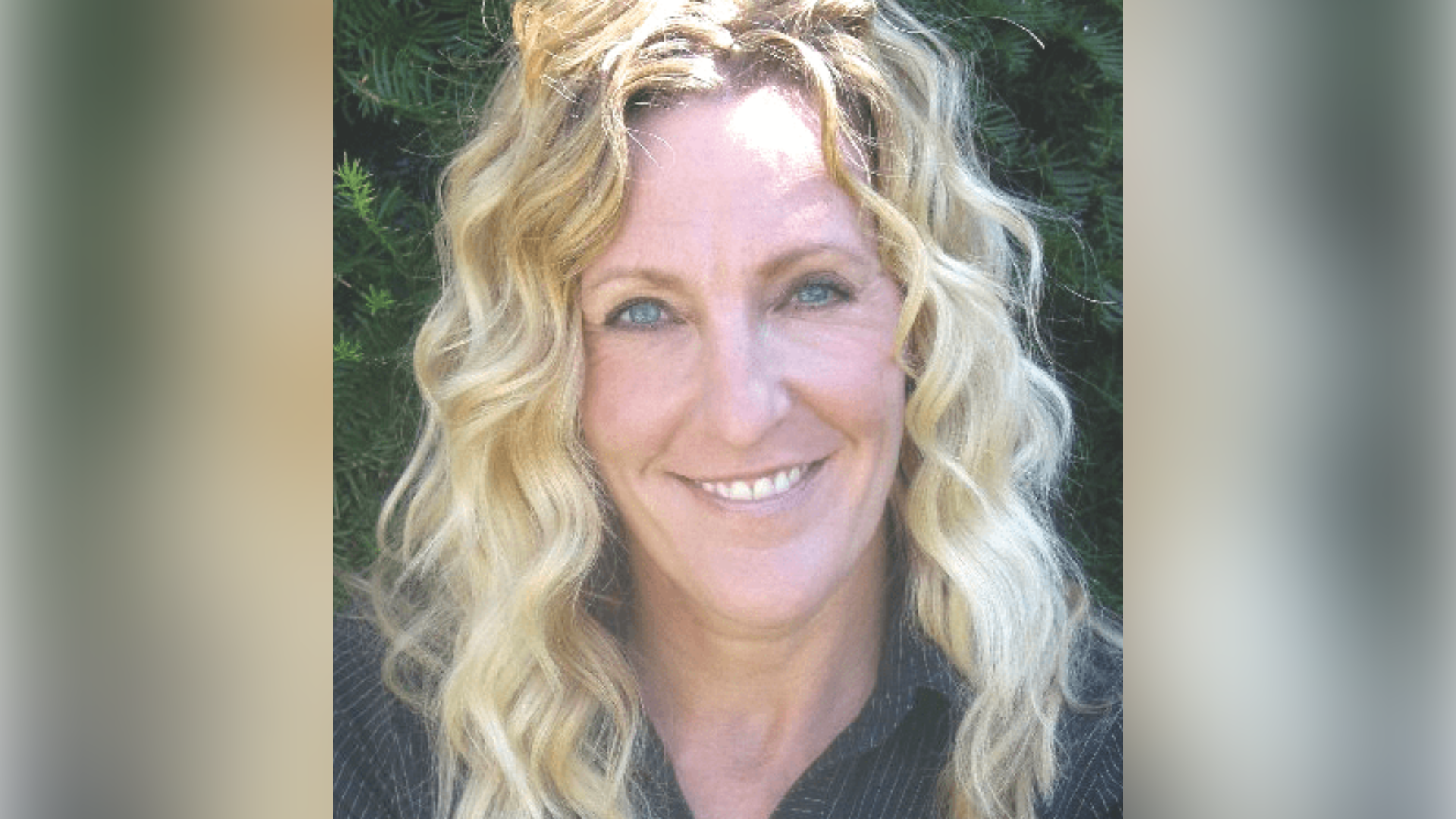
Ree Guyer
Ree Guyer was born and raised in St. Paul, Minnesota. She graduated in 1981 from St. Mary’s University with a BS in Child Psychology and Studio Arts. Shortly after graduating from college, she held two jobs—a production potter for Sansei Pottery in St. Paul and a sales position for Wrensong Publishing, a newly formed division of her father’s, Reyn Guyer’s, development company Winsor Concepts (this company owns the patent on Nerf and Twister). The initial concept of Wrensong was to help professional jingle writers, like Billy Barber, in the Minneapolis/St. Paul area get their commercial songs recorded by major recording artists. Ree and her father initially signed single song contracts with these writers and began with just twenty songs.
In 1985, Guyer landed her first cut with the help of her friend, Bob Doyle. “Little Things,” recorded by the Oak Ridge Boys, became a No. 1 single. Guyer moved to Nashville in November 1985 to open the Music Row office where the company remains today. Wrensong signed their first staff writer in 1986, Jon Vezner. Within 18 months, he had his first two singles: “Just Can’t Sit Down Music,” recorded by Mel McDaniel, and “Trainwreck of Emotion,” recorded by Lorrie Morgan, as well as cuts with Ronnie Milsap, Reba and the award-winning song, “Where’ve You Been,” recorded by his wife, Kathy Mattea.
In the last few years, Guyer has focused on developing singer/songwriters. She was pivotal in launching the artist/writer careers of Ashley Monroe, Jon Randall and Trevor Rosen, member of Old Dominion.
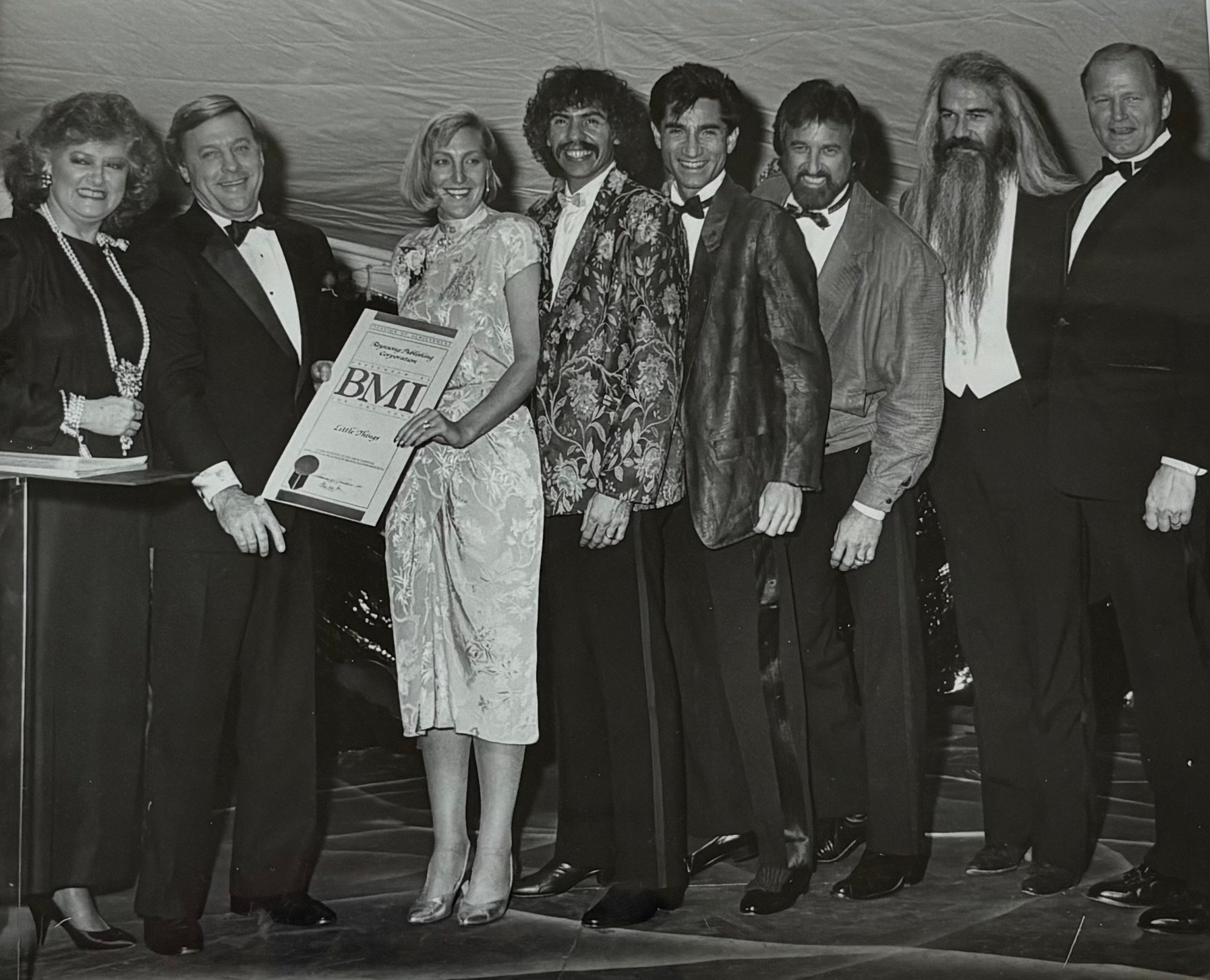
Photo: Courtesy of Guyer
MusicRow: How did you start your career?
When I was 15, my mom told me I needed a job, so I nannied for a summer. I didn’t love it. But I was already a pretty accomplished potter, and I did love that.
This was the seventies, and there were tons of potters around. My mom said, “Why don’t you just knock on some doors?” So I did. I told one woman I’d do anything—wedge clay, mix glazes, whatever she needed. She hired me, and I worked for her every summer, plus Christmas and spring breaks, all through school.
I became her junior production potter. She’d say, “We need 200 mugs,” and I’d make 200 mugs. By the time I finished college, pottery was already second nature to me.
Creativity clearly ran in your family. What was that environment like growing up?
My dad was incredibly creative. He invented Twister and Nerf and was also writing children’s music. He knew all the Minneapolis musicians because there were only two studios in town. I sang on a few commercials as a kid—nothing serious—but it meant I got to know those musicians.
They made great money writing commercials for companies like 3M, Pillsbury, General Mills, Target, Best Buy. My dad kept saying, “You guys have to be writing songs on the side.”
Around that same time, I realized I loved sales. I was interviewing at places like Pillsbury, but I thought maybe I’d keep my pottery job and try something else on the side. I suggested we go to Nashville. These guys were writing pop-forward songs that felt right for Nashville.
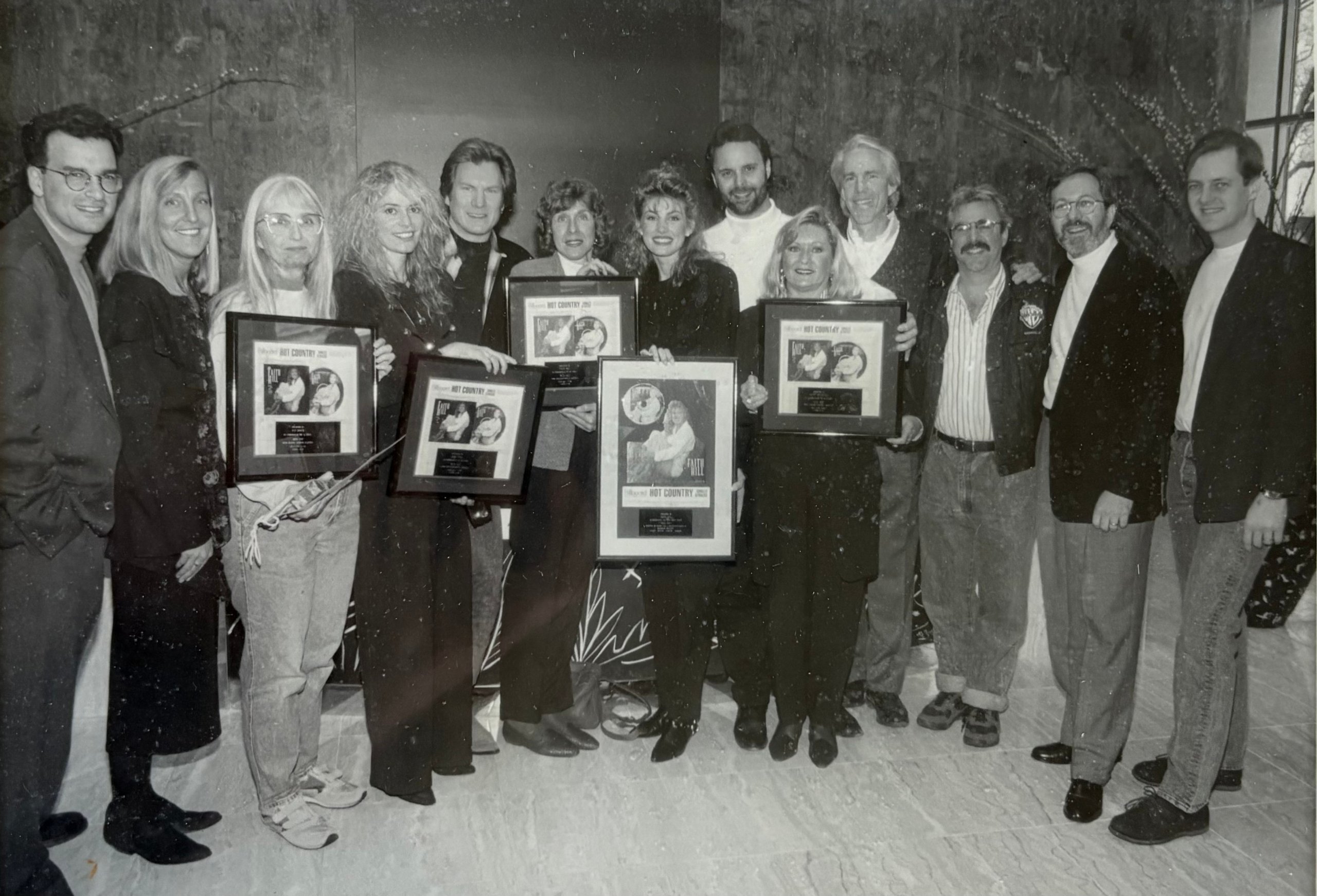
Photo: Courtesy of Guyer
What did you find in Nashville?
There was one writer, Billy Barber, who I immediately believed in. He had a beautiful voice. He was cutting his own demos on an eight-track, which was a big deal back then. I just knew the songs were special.
Michael Johnson, who had “Bluer Than Blue,” lived in Minneapolis but made his records in Nashville. I took him to lunch and asked who I should meet. He gave me five names: Karen Conrad, Celia Froehlig, Pat Rolfe, Pat Higdon and Bob Doyle. They all welcomed me, but Karen Conrad especially mentored me. She even gave me a small office in the back of hers.
At the time, writers couldn’t write outside their publishing companies, and nobody wanted to split publishing. I realized pretty quickly that other publishers couldn’t really help me. I had to figure it out on my own. So I’d come to Nashville for two weeks at a time, stay at the Exit/In Manor, walk everywhere and drop off cassettes.
One song opened every door. Billy Barber wrote it in one day. It was called “Little Things.”
That song ended up changing everything.
I dropped it off at Billy Sherrill’s office, and 15 minutes later he called me and said, “Who the hell is Ree Guyer? What is Wrensong? And who is Billy Barber? Get over here right now.”
He was terrifying. He told me I seemed like a nice Midwestern girl and should go home, become a nurse, get married, have kids. I said, “Because you just said that, I’m going to prove I can do this.” And somehow, that worked.
He wanted to produce Billy and develop him as an artist. He was head of A&R at Columbia and wanted to prove he could make a pop record. We did everything—photo shoots, artist development, the whole process. But New York never called him back. We were completely ghosted. That was a huge lesson for me.
Bob Doyle, who was at ASCAP, believed the song was a hit. One day he called and said, “The Oak Ridge Boys are listening to cassettes on their bus for their next record. Get over there.” I dropped off “Little Things,” and three days later they called and said, “We’re cutting this.”
After that, Billy Sherrill connected me with Al Gallico, who had run EMI for years. He wanted half the publishing. I said no. I’d worked the song for 18 months, spent a lot of money traveling back and forth, and I knew it was a hit. I wasn’t giving it up.
The Oak Ridge Boys’ publisher made the same offer—half the publishing in exchange for making it the first single. I said no again. They put it out anyway, and it went to No. 1.
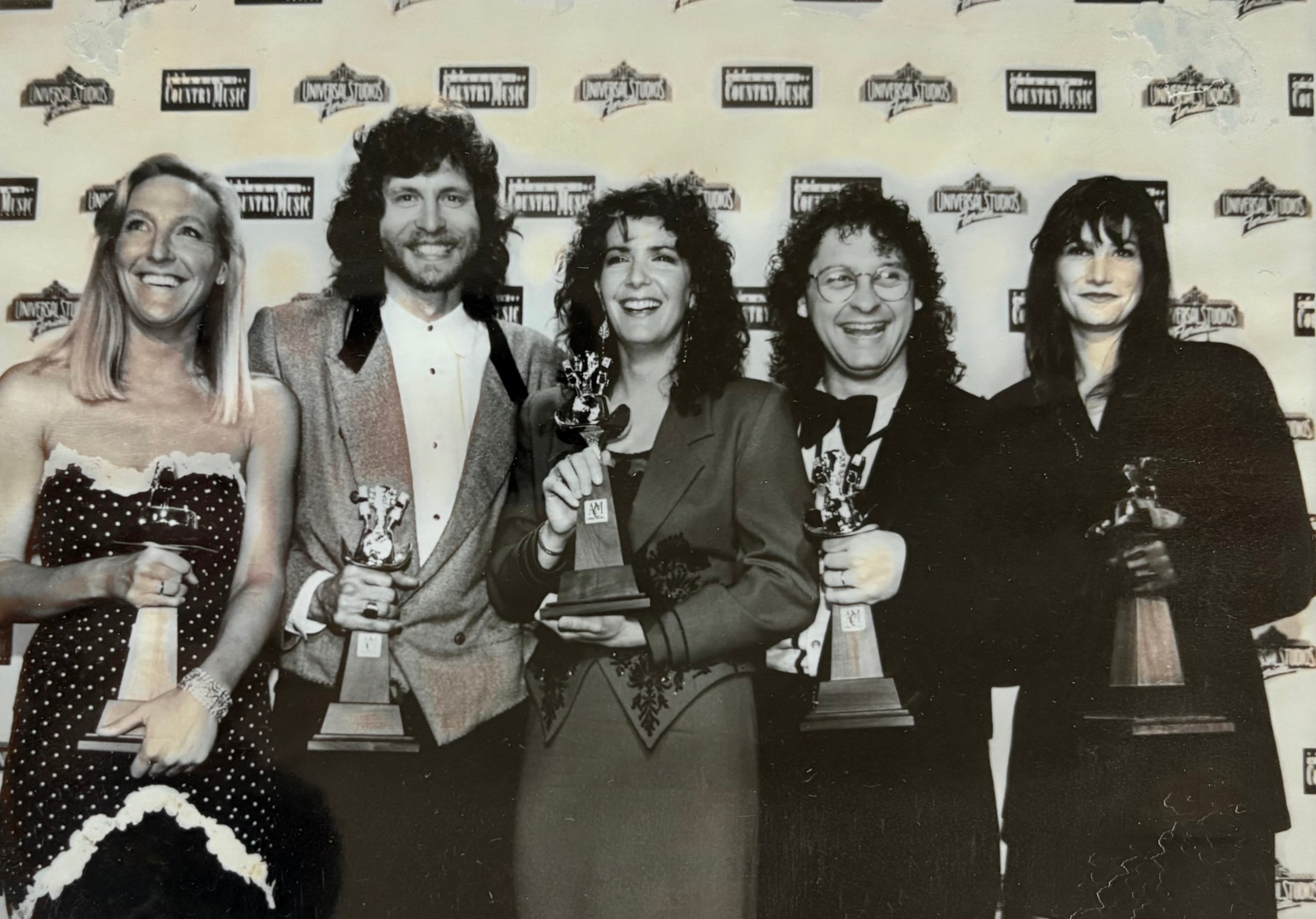
Photo: Courtesy of Guyer
That decision really set the tone for how you operated.
Because of that success, Duane Allen called me and asked if I had anything else. I did. One of my writers had just written “Gonna Take a Lot of River.” I owned 100% of that one too. They cut it, and it went to No. 1 the next year. So we had back-to-back No. 1s with the Oak Ridge Boys. That success allowed us to buy a building on Music Row for $111,000 and renovate it. Kathy Mattea lived upstairs, and that’s actually how she met Jon Vezner, who became my first signed writer in early 1986.
Tell me about working with Jon.
Jon didn’t take long to break. We had Lorrie Morgan’s first single, a Mel McDaniel cut, and then in 1988 he wrote “Where’ve You Been.” I knew immediately it was special.
We offered it to Kathy first, but she was hesitant. It was long, sad, and risky. So I played it for Conway Twitty, and he immediately wanted to cut it. When Kathy heard that, she decided she needed to do the song herself. The rest is history. We won Song of the Year across the board.
What was next?
From there, I had waves of writers. Will Rambeaux and Blair Daly were one of those waves. I was Blair’s first publisher. I signed him when he was 18, and within 18 months he had three No. 1s, including three hits for John Michael Montgomery.
Then came “Wild One,” co-written by Will Rambeaux. Faith Hill was a friend, and Scott Hendricks believed in the song right away. When he started producing Faith, he cut it, and it became a huge record.
Another wave came with Jon Randall. He had just lost his publishing deal and was sleeping on his manager’s couch when he played me “Whiskey Lullaby.” I knew instantly it was special. We made a co-publishing deal, and within a year we had about 15 cuts off simple guitar demos.
“Whiskey Lullaby” had a long road before it became what it did.
It was hard to place until Brad Paisley went looking for a duet with Alison Krauss. He heard the song and knew immediately that was it.
After the song started circulating, John Grady signed Jon Randall to a record deal. I remember him saying at lunch that he never thought he’d be sitting there with another deal. Jon even recorded the song for his Sony record and talked about doing it with the Dixie Chicks. At the same time, Brad Paisley was on fire. I knew if the song didn’t become a single, it would disappear. So I let people know Jon was recording it, and the next day RCA called and said they were making it Brad’s next single. That ended up being the best thing that could have happened. We won CMA Song of the Year.
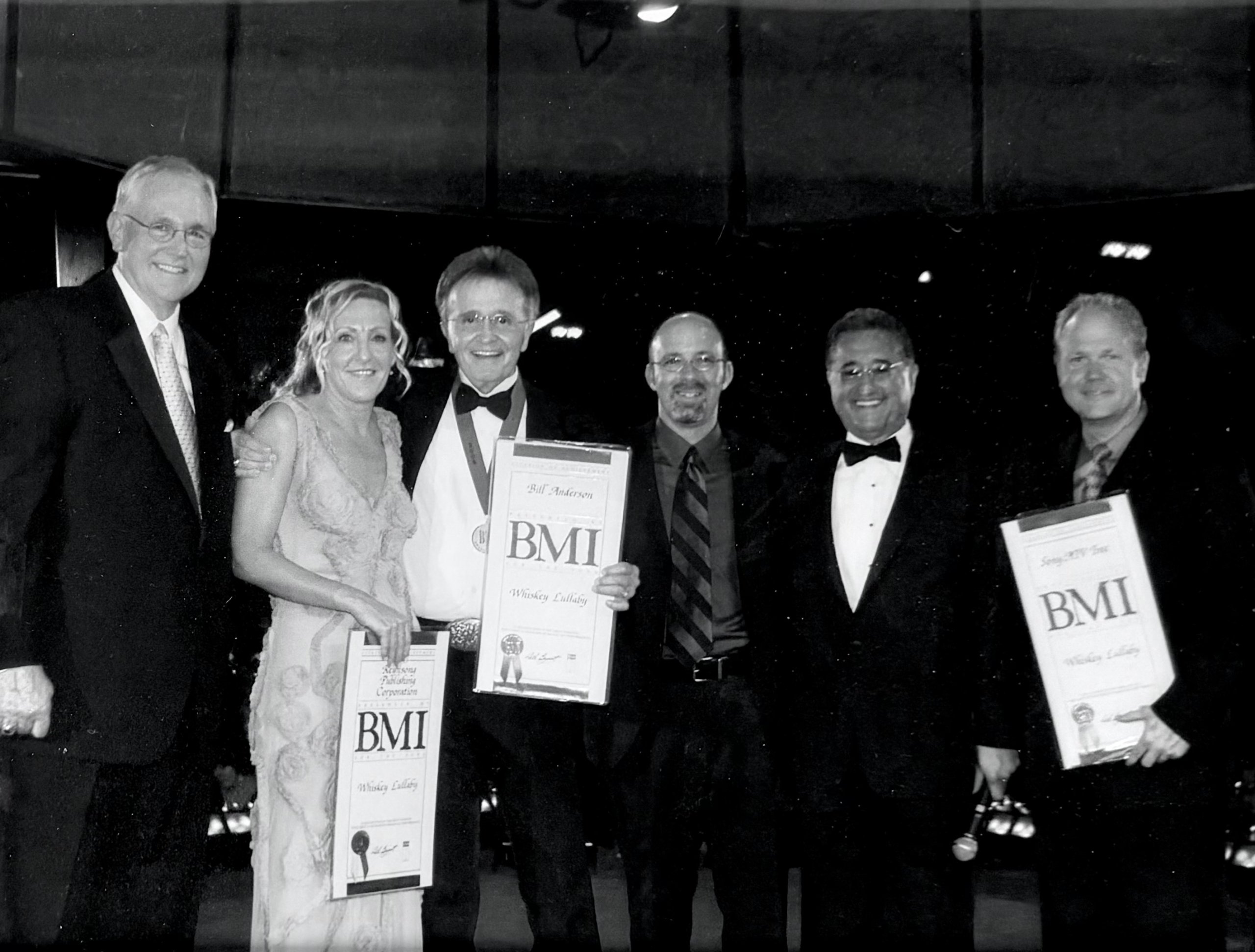
Photo: Courtesy of Guyer
That stretch really defined an era for Wrensong.
Around that same time, I signed Ashley Monroe. She was 17, and it was her first publishing deal. That whole period was such a fun ride. She was writing incredible songs, had a couple of No. 1s and then there was the Pistol Annies chapter, which was its own thing entirely.
Then I got a call from Shane McAnally. I’d known him since he was 18. He told me he and his husband, Michael, wanted to start a publishing company one day and wanted to learn by working together on a writer first. He brought Trevor Rosen to my office one night and played me a bunch of songs. They started with safe stuff, and I stopped them. I said, “I’m not safe. Look at my history. Play me something that feels impossible.”
They played “Better Dig Two.” I said we were making a deal that day.
Trevor had just lost his publishing deal, had three kids and wasn’t making much money. We bought his catalog and started paying him immediately. It took months for the song to finally get cut, but when it did, it became Trevor’s first No. 1.
That partnership eventually led to something even bigger.
Not long after that, Trevor told me he had a band. I went to see them play and immediately saw the potential—and also what wasn’t working. We tightened the songs, focused the vision and eventually cut tracks.
They were older than what labels wanted, so no one would sign them. So we gave away songs we knew were hits. Those songs became No. 1s for other artists, and suddenly the band had real credibility.
Eventually, “Break Up with Him” went to No. 1 and stayed there for eight weeks. That’s when people finally started paying attention. Even then, some labels passed. But eventually someone asked if there was anything Nashville was missing, and the answer was Old Dominion. The next day, they were signed.
That was another wave.
Now I’m probably on my last one. I have MaKayla Lynn, who is a truly exceptional writer. She doesn’t want to be an artist first—she wants to be a great songwriter, and she will be. We’ll make a record with her, but the writing comes first.
Then there’s Conor Matthews. He came to me a couple of years ago from Los Angeles. He’d already done the pop thing and had a following, but I told him I thought he was really a Nashville artist. I said if he moved here, I’d sign him. In January, he called and said, “I’m here.”
When you look back on everything, what are you most proud of?
What I love most is watching a writer come in with real talent and helping them make it happen. I know what’s possible because I’ve done it so many times, and it’s incredibly rewarding to see someone’s life change.
I’m also proud of the songs. That’s the legacy. I’ve been up for Song of the Year four times and won three—“Where’ve You Been,” “Whiskey Lullaby” and “One Man Band.” I think that’s a pretty good track record.
What’s the best piece of advice you’ve ever gotten?
The best advice came from my dad. He saw me working all the time and told me to find a balance between work and life.
When I got into the business, I met bitter people, and I didn’t want to become bitter. In this business, you will get screwed. When someone screwed me on a deal or a situation, I forgave and forgot so I could let it go and be free of that bitterness. I can truly say I forgave—and even really forgot—anyone who wronged me.
LB Cantrell is Editor/Director of Operations at MusicRow magazine, where she oversees, manages and executes all company operations. LB oversees all MusicRow-related content, including the publication’s six annual print issues and online news. She is a Georgia native and a graduate of the Recording Industry Management program at Middle Tennessee State University.