Published on
January 10, 2026
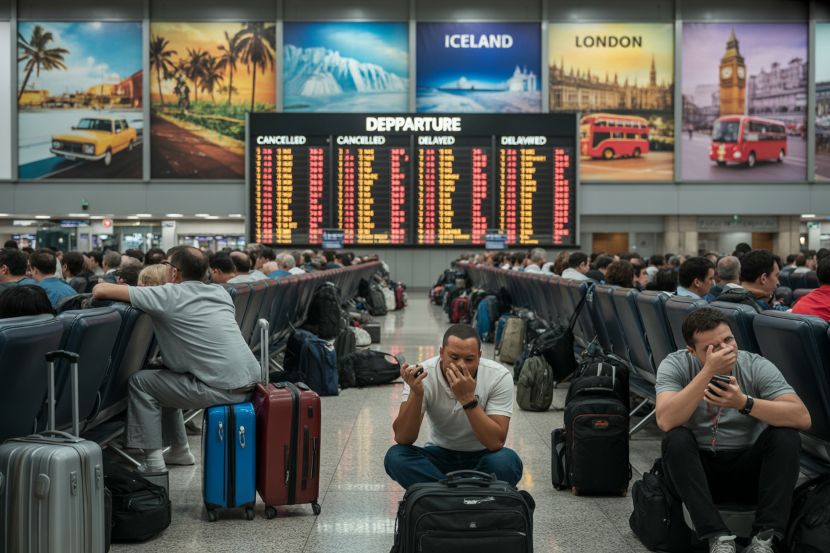
As the global travel landscape faces mounting challenges, the final months of 2025 have seen an alarming surge in bankruptcies among major travel companies. In a dramatic turn of events, tour operators from the UK, Iceland, and even Cuba have suddenly ceased operations, leaving travelers stranded and scrambling for alternatives. Notably, Havanatur, the prominent tour operator for Cuba, recently shuttered its operations, leaving holidaymakers in turmoil, while other notable names like Tango Travel in Iceland and UK-based Jetline have followed suit. With the rise of sudden shutdowns, travelers from across Europe and beyond are now forced to deal with last-minute cancellations, cancellations, and disruptions to their plans.
Stranded Travelers and Tour Operators in Crisis
Recent bankruptcies have left passengers in a state of limbo, with hundreds of holidaymakers stranded without the means to complete their vacations. These closures are being felt not just in isolated pockets but across various destinations around the world, including major European travel hubs. In the UK, Great Little Escapes and Jetline ceased operations in July 2025, leaving travelers who had prepaid for trips in the lurch. Similarly, the Icelandic tour operator Tango Travel was crippled by the financial collapse of Play Airlines, impacting those bound for popular destinations in the region.
The tourism industry’s fragility has been laid bare, and with it comes a growing sense of insecurity for travelers who have been left without viable alternatives. The unpredictability of such bankruptcies makes it a difficult time for both agencies and passengers, many of whom had already planned and booked their trips far in advance.
Havanatur’s Collapse Signals Trouble for Cuban Tourism
The situation is no less dire in Cuba, where Havanatur, the island’s leading tour operator, recently shut down its office in France after losing its key insurance contract. Established in 1978, Havanatur had long served as a cornerstone for tourists visiting Havana, Varadero, and other iconic Cuban destinations. The collapse of this travel giant has further compounded the challenges Cuba’s already strained tourism industry faces, as fewer international visitors are choosing the Caribbean island for their holidays.
Cuba’s economic struggles, marked by a dwindling economy and loss of key international allies such as Venezuela, have caused a sharp decline in tourism numbers. This has been exacerbated by ongoing political tensions, particularly with the United States. As the country navigates a deepening economic crisis, its tourism sector faces an uncertain future, with more closures of tour agencies expected in the coming months.
Travelers Left Scrambling for Alternatives
While the bankruptcies have thrown travel plans into disarray, affected travelers are being forced to rebook their holidays or, in some cases, cancel their plans altogether. The closures have disrupted hundreds of pre-scheduled trips, with Jetline and New Era Travel both leaving customers in the lurch. Travel agents are now working overtime to find last-minute alternatives, scrambling to transfer clients to other operators.
For many of those whose holidays are directly impacted by these closures, the frustration is palpable. While some travelers have managed to complete their trips, those with unfinished journeys are facing the daunting task of securing return flights on their own. This sudden disruption can significantly damage the trust passengers have in booking trips through these operators, leaving them hesitant to consider future travel with similar agencies.
Cuba’s Tourism Industry: A Cautionary Tale
The collapse of Havanatur serves as a stark reminder of the precariousness facing Cuba’s tourism industry. Despite being a popular destination for European tourists, Cuba’s tourism numbers have been in freefall for years. The loss of Havanatur’s operations, along with the broader decline in political and economic stability, could signal more challenges for travelers considering the country as their next vacation destination.
For prospective tourists, it’s crucial to stay informed about these evolving challenges and consider alternative options. Cuba is an increasingly difficult destination for travelers, especially with strained services and an underperforming economy. Those interested in visiting should thoroughly check their tour operator’s status and look for flexible booking options to avoid last-minute cancellations or unexpected disruptions.
Travel Tips Amid the Chaos
As more and more travel companies shutter their doors, tourists should be prepared for further disruptions. Here are some key tips for navigating this uncertain travel landscape:
Book with Reputable Operators: While many operators are struggling, the largest and most reputable companies are likely to weather the storm. Look for agencies with strong financial backing or flexible cancellation policies.Plan Ahead: In uncertain times, it’s essential to plan as far ahead as possible. Ensure you have travel insurance that covers cancellations or bankruptcies.Check Your Insurance: For those already booked with a travel company that has shut down, checking your travel insurance is critical. Many policies will cover cancellations in cases of operator bankruptcies, helping you reclaim lost money.Consider Alternative Destinations: Cuba, Iceland, and the UK are facing challenges, so consider alternative holiday destinations where the tourism infrastructure remains strong and stable.Stay Informed: Keep an eye on the status of your tour operator, especially as economic conditions and political tensions in affected regions can change rapidly. Regular updates can prevent last-minute surprises.The Future of Travel Amid Economic Uncertainty
As we move into 2026, it’s clear that the tourism industry is undergoing a period of significant upheaval. Airlines and travel companies, already dealing with the fallout from global disruptions, now find themselves facing an even more uncertain future. These closures serve as a warning for both operators and passengers to tread carefully, as the landscape continues to shift. For travelers, the key will be flexibility, awareness, and preparedness. Understanding the risks of booking with smaller, financially unstable companies and considering alternative destinations can help ensure a smoother, less stressful vacation experience.
