How big is Venezuela’s oil industry?
Venezuela’s oil industry is about a quarter of the size it used to be. Venezuela has the world’s biggest proven reserves of oil, estimated at more than 300 billion barrels, or around 17% of the global total. The oil lies onshore, and the vast majority is in the central Orinoco belt – south of the Orinoco River – in a well-mapped 50,000 sq km zone that’s probably the biggest single hydrocarbon deposit on Earth. But in recent decades, Venezuela’s once-surging stream of oil has dwindled to a trickle. Production peaked in the 1960s and 1970s, when US and British oil companies dominated, producing 3.5 million barrels a day, or around 7% of global output at the time. Following nationalisation (in January 1976) production fell, but then rose again until a late-1990s peak. Since the turn of the century, it has slumped, from more than three million barrels/day to a trough of under 700,000 in 2021 and 960,000 in 2024. That’s less than 1% of global supply and most of it goes to China.
What happened under Chávez?
Venezuela’s oil production fell slightly under the socialist president Hugo Chávez (1999-2013), but under his chosen successor – the incompetent, corrupt and increasingly authoritarian Nicolás Maduro – production has cratered as the economy tanked. Decades of corruption, mismanagement, underinvestment and a lack of, or botched, maintenance at PDVSA (the state oil company) have severely degraded Venezuela’s infrastructure and capacity. As Maduro tightened his grip by rigging elections and crushing protests, sanctions imposed by the US (and Europe), especially after they were tightened in 2019, have restricted Venezuela’s access to financing, many international markets and vital new technology. More basically, Venezuela’s heavy crude must be blended with diluents such as naphtha, which is hard to source due to sanctions and related supply issues, thus constraining production. Meanwhile, many skilled workers left the industry – indeed, millions of Venezuelans left the country altogether – compounding technical challenges.
What is Donald Trump’s plan in Venezuela?
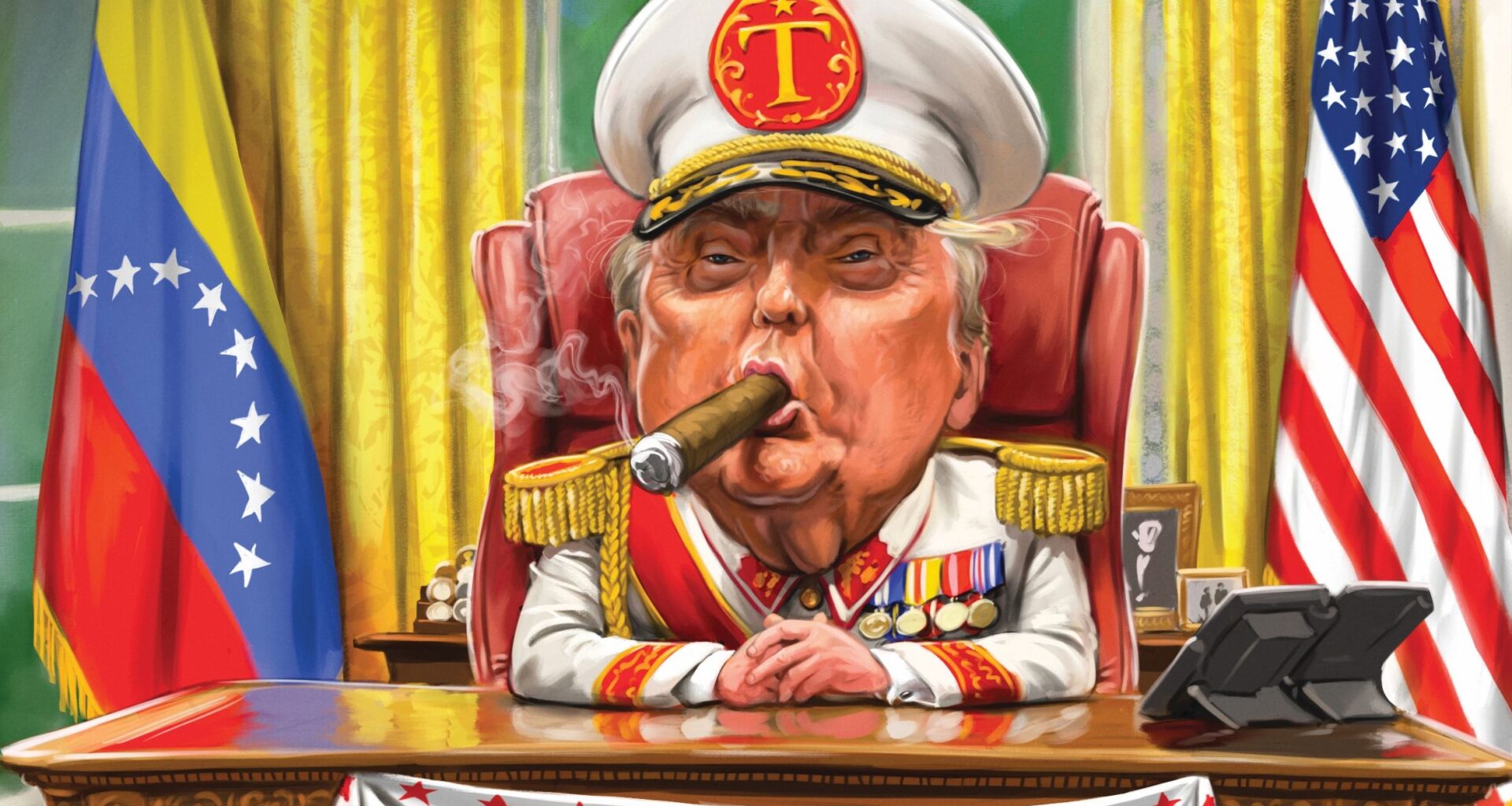
To take over and revitalise Venezuela’s oil industry, while “ruling” Venezuela from Washington, with Marco Rubio as the absentee viceroy and the current government still in place. For months, Trump touted his military build-up against Venezuela as an anti-narcotics operation. Within hours of Maduro’s removal, Trump announced, “We are in the oil business”. The oil business in Venezuela “has been a bust, a total bust for a long period of time”, Trump said. “We are going to have our very large United States oil companies… spend billions of dollars, fix the badly broken infrastructure… and start making money for the country.” Having decapitated the regime, the US is apparently content to leave the rest of the regime and state apparatus in place – a strategy that has raised questions about exactly how involved Maduro’s deputy (and new interim president) Delcy Rodríguez was in the US mission.
Don’t miss the latest investment and personal finances news, market analysis, plus money-saving tips with our free twice-daily newsletter
Don’t miss the latest investment and personal finances news, market analysis, plus money-saving tips with our free twice-daily newsletter
(Image credit: Federico PARRA / AFP via Getty Images)
Was Maduro’s capture an inside job, then?
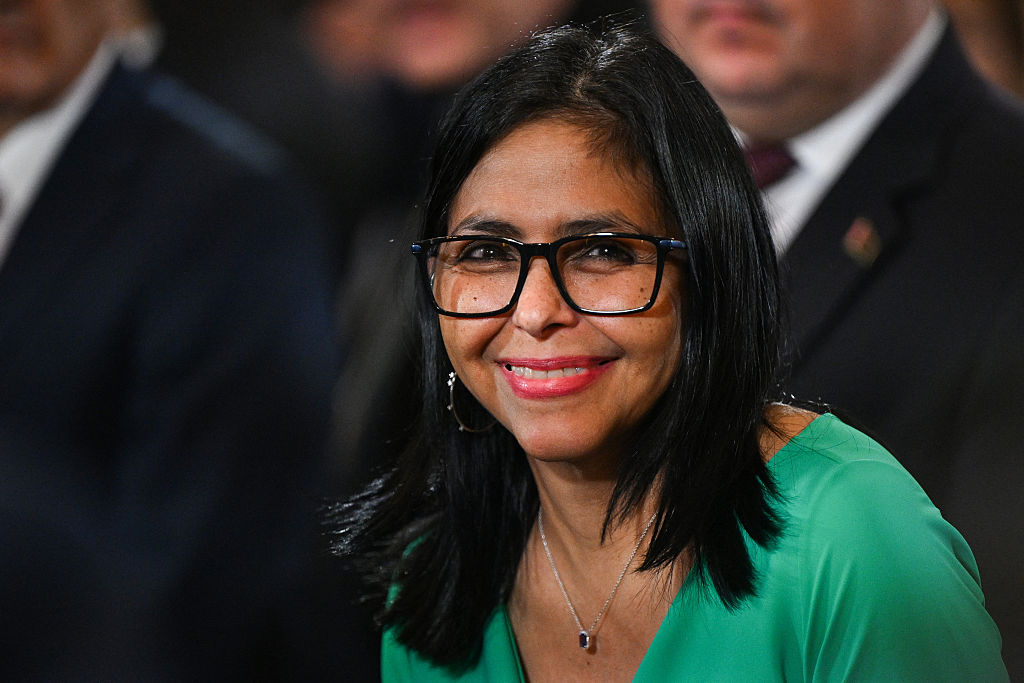
It seems Rodríguez was made an offer she couldn’t refuse, or chose not to. As well as being vice-president, Rodríguez was also Venezuela’s oil minister from 2024 and head of the intelligence service from 2018. According to Bloomberg, US oil-industry executives and lawyers saw her as an impressive figure who was navigating Venezuela’s industry through international sanctions, economic pressures and internal mismanagement. In recent months, the US oil industry reportedly lobbied for her as Maduro’s replacement – and Trump’s team came to the same conclusion. Both groups decided that Rodríguez, long seen as a “bridge between the government and private sector, could stabilise Venezuela’s oil-based economy, and facilitate American business faster” than the opposition leader, María Corina Machado, could.
Hasn’t the US got plenty of oil?
Indeed, the US is the world’s biggest oil producer. What it hasn’t got much of these days is the kind of heavy crude produced in Venezuela. That matters because of a structural tension within the US oil industry as a whole; namely, that its big Gulf Coast refineries, built decades ago, are no longer compatible with the type of oil it now produces. The US’s supremacy in oil has been built on the shale-oil revolution: light crude, most of which gets exported. But “if America is going to keep its cars fed with gasoline, it needs heavy, gloopy crude”, says Ed Conway on his Sky News blog. “And since it costs many, many billions of dollars to overhaul refineries, no one particularly wants to do that anytime soon.” The US might be producing more oil overall, but it’s also importing far more heavy oil. In 1978, only 12% of US imports were heavy. Now it’s 70% – mostly from Canada and a small slice (sanctions notwithstanding) from Chevron’s joint venture in Venezuela.
Was the Venezuelan oil grab an easy win for the US?
Hardly. For starters, there’s the sheer scale of the investment required to repair and retool Venezuela’s crumbling infrastructure. According to analyst Jorge Leon of Rystad Energy, roughly doubling production to two million barrels by the early 2030s will cost an estimated $115billion. That’s three times the combined capital expenditure of ExxonMobil and Chevron last year. At current oil prices, around $60 a barrel, and with the world already oversupplied, there’d have to be a truly compelling case for major investment in Venezuela, with its relatively low-quality, cheap oil that’s pricey to refine. Right now, that’s just not there.
Why not?
Because not much has changed except the president, and the economics doesn’t stack up. Venezuela has not suddenly become a better place for the likes of Chevron and Exxon to invest billions, says Yawen Chen on Breakingviews. “It’s the same military-dominated petrostate with corruption issues as before, plus a potentially even worse security situation” – and certainly a more unpredictable one. The country is awash with guns, as Ambrose Evans-Pritchard points out in The Telegraph, and paramilitary “colectivos” exact fees before letting a single barrel move. For oil companies to invest would require the kind of political stability and respect for property rights that once helped make Venezuela one of the richest countries in the world. Trump’s snatching of Maduro was “spectacular and swift”, says The Economist. “The economic reward from it will be neither.”
This article was first published in MoneyWeek’s magazine. Enjoy exclusive early access to news, opinion and analysis from our team of financial experts with a MoneyWeek subscription.